Low Temperature Grease Failure: Causes, Effects and Solutions
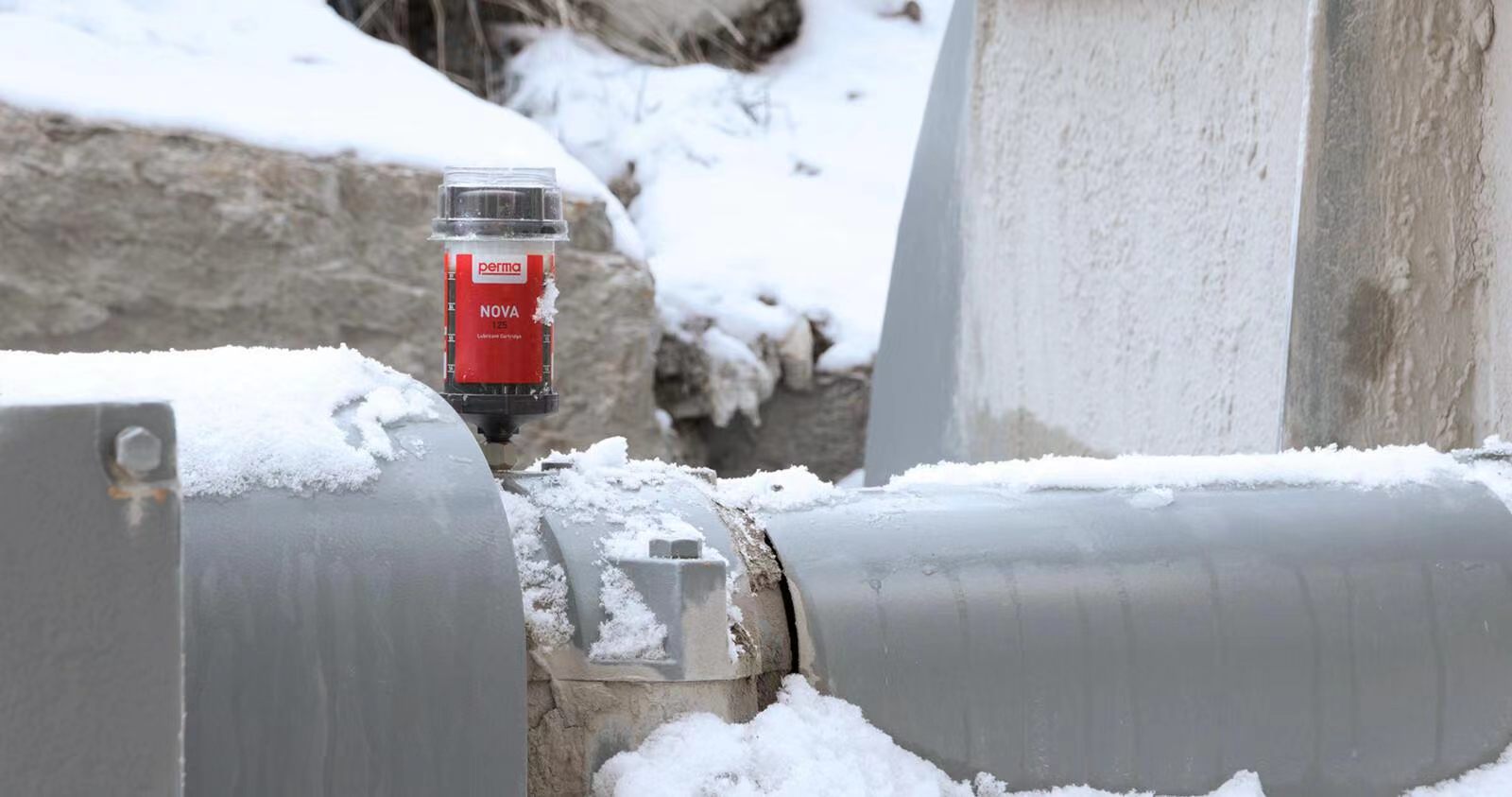
Low-temperature operating conditions can significantly affect grease performance. As temperature decreases, the base oil inside the grease generally becomes more viscous, while grease mobility and oil release can decrease.
If the lubricant is not suitable for the operating temperature, equipment may experience increased starting torque, poor grease distribution, insufficient lubrication, and accelerated bearing wear.
Understanding the causes of low temperature grease failure is important for equipment operating in cold storage, outdoor environments, refrigeration systems, wind power installations, and other low-temperature applications.
What Happens to Grease at Low Temperatures?
When temperature decreases, the viscosity of the base oil generally increases.
Depending on the grease formulation and temperature, this may lead to:
- Increased starting torque
- Reduced grease mobility
- Poor oil release
- Increased friction
- Insufficient lubrication
- Bearing overheating after startup
Therefore, a grease that performs well at room temperature may not necessarily be suitable for low-temperature operation.
1. Base Oil Viscosity Becomes Too High
One of the most important causes of low temperature lubrication problems is increased base oil viscosity.
At low temperatures, highly viscous oil can make it more difficult for the lubricant to reach the contact areas between:
- Rolling elements
- Raceways
- Sliding surfaces
This can increase friction and starting resistance.
Solution
Select a grease formulated with a base oil viscosity appropriate for the operating temperature and bearing speed.
2. Grease Becomes Too Hard
Some grease formulations become significantly harder as temperature decreases.
Hard grease may have difficulty moving inside the bearing and may not replenish the lubricating contact effectively.
Possible symptoms include:
- Difficult startup
- Increased bearing noise
- Increased motor current
- Higher starting torque
- Insufficient lubrication
Solution
Use a grease specifically designed for low-temperature applications rather than relying only on the grease's general operating temperature range.
3. Poor Oil Release
Grease is a semi-solid lubricant in which base oil is held by a thickener structure.
At low temperatures, oil release may decrease depending on the formulation.
If insufficient oil reaches the bearing contact area, the lubricating film may become inadequate.
Effects
- Increased friction
- Raceway wear
- Higher vibration
- Reduced bearing life
4. Incorrect Grease Selection
A common mistake is selecting grease based only on its maximum operating temperature.
For low-temperature applications, it is also important to consider:
- Minimum operating temperature
- Base oil type
- Base oil viscosity
- Starting torque
- Low-temperature mobility
- Bearing speed
- Load
Recommended Products
For suitable low-temperature applications, products from manufacturers such as Klüber, SKF, NSK, and Kyodo Yushi may be considered depending on the specific operating conditions.
For example:
- Klüber ISOFLEX TOPAS NB 52
- Klüber ISOFLEX LDS 18 Special A
- SKF LGWM 1
- Kyodo Yushi Multemp SRL
Note: These products are not interchangeable and should not be selected solely because they have low-temperature characteristics. Always verify the manufacturer's technical data against the actual application.
5. Low Temperature Combined With High Speed
Low temperature and high speed create a particularly demanding lubrication condition.
At startup, the grease may have relatively high resistance while the bearing begins rotating at high speed.
This can cause:
- High starting torque
- Rapid temperature increase
- Grease displacement
- Lubrication instability
Typical applications include:
- CNC machine tools
- High-speed motors
- Precision bearings
- Outdoor rotating equipment
For these applications, both low-temperature performance and high-speed characteristics should be evaluated.
6. Low Temperature and Insufficient Lubrication
Cold temperatures can make an existing lubrication shortage more serious.
When grease mobility decreases, a small amount of grease may not redistribute effectively.
This can result in:
- Local lubricant starvation
- Increased friction
- Surface damage
- Premature bearing failure
Therefore, the correct grease quantity is important even when using a low-temperature grease.
7. Moisture and Condensation
Low-temperature equipment may also experience condensation when operating conditions change.
Water contamination can:
- Reduce grease performance
- Promote corrosion
- Affect grease consistency
- Accelerate bearing damage
Applications such as cold storage equipment and outdoor machinery should therefore consider both low-temperature performance and water resistance.
8. Incorrect Storage Before Use
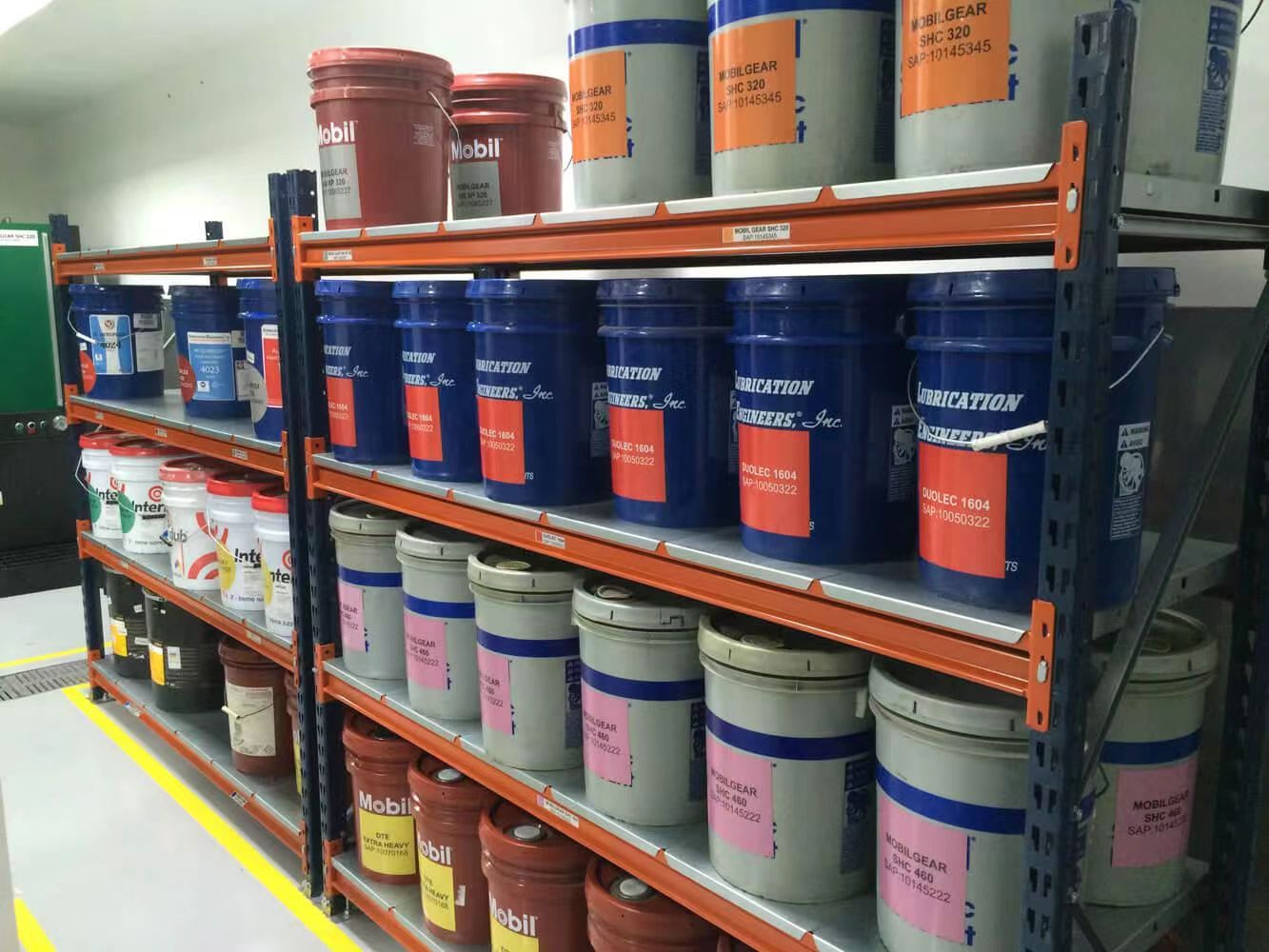
Grease should also be stored according to the manufacturer's recommendations.
Improper storage may affect lubricant condition before it is even applied.
Recommended practices include:
- Keep containers properly sealed.
- Avoid unnecessary temperature fluctuations.
- Prevent water and dust contamination.
- Follow the manufacturer's storage requirements.
Effects of Low-Temperature Grease Failure
Inadequate grease selection can cause:
Increased Starting Torque
The equipment requires more force to overcome lubricant resistance.
Increased Friction
Higher lubricant resistance can increase energy consumption.
Insufficient Lubrication
Poor oil release can reduce the protective lubricant film.
Bearing Wear
Repeated operation under inadequate lubrication can accelerate raceway and rolling-element damage.
Equipment Downtime
Severe lubrication problems may eventually result in bearing failure and unexpected maintenance.
How to Prevent Low-Temperature Grease Failure
1. Confirm the Minimum Operating Temperature
Do not select grease only by its maximum temperature rating.
Confirm the manufacturer's recommended low-temperature operating range.
2. Check Base Oil Viscosity
Base oil viscosity should match:
- Operating temperature
- Bearing speed
- Load
- Required lubrication film
3. Consider Starting Torque
For equipment that must start reliably at very low temperatures, starting torque can be an important selection criterion.
This is particularly relevant for:
- Electric motors
- Fans
- Actuators
- Precision bearings
4. Control Grease Quantity
Avoid both:
- Under-greasing
- Over-greasing
Excessive grease can increase churning resistance, while insufficient grease can cause lubricant starvation.
5. Prevent Water Contamination
For outdoor and refrigerated equipment, inspect:
- Seals
- Housings
- Grease fittings
regularly to prevent water ingress.
Recommended Grease Selection Guide
| Application | Example Grease | Key Considerations |
|---|---|---|
| Precision/high-speed bearings | Klüber ISOFLEX TOPAS NB 52 | Low friction, speed capability |
| Low-temperature precision applications | Klüber ISOFLEX LDS 18 Special A | Low-temperature performance |
| Outdoor/wet equipment | SKF LGWM 1 | Low-temperature and water resistance |
| Electric motor bearings | Kyodo Yushi Multemp SRL | Low noise and long-life performance |
| Special low-temperature applications | PFPE-based grease | Wide temperature capability and chemical stability |
Important: Actual grease selection should be confirmed against the manufacturer's current technical data, bearing specifications, speed, load, temperature range, and compatibility requirements.
Frequently Asked Questions
Does all grease become hard at low temperatures?
No. The degree of hardening depends on the base oil, thickener, formulation, and temperature. Greases designed for low-temperature service generally maintain better mobility and lubrication performance.
Can high-temperature grease be used at low temperatures?
Not necessarily. A grease with excellent high-temperature performance may not provide suitable low-temperature starting torque or oil release. Both temperature limits should be considered during selection.
Why does a bearing become difficult to start in cold conditions?
Increased grease viscosity, poor grease mobility, excessive grease quantity, or an unsuitable lubricant can increase starting torque.
Is low-temperature grease suitable for every cold application?
No. Low-temperature performance must be evaluated together with speed, load, water exposure, bearing type, and required service life.
Conclusion
Low-temperature grease failure is often related to increased base oil viscosity, reduced grease mobility, poor oil release, excessive starting torque, or unsuitable grease selection.
For equipment operating in cold environments, selecting a suitable low temperature grease requires more than checking a single temperature rating. Base oil viscosity, starting torque, bearing speed, load, water resistance, and lubrication quantity should all be considered.
Proper grease selection and lubrication practices can help reduce startup problems, minimize bearing wear, and improve equipment reliability in low-temperature environments.
Effects of Improper Grease Storage on Lubricant Performance
How to Extend Grease Relubrication Intervals: Practical Guide
Related Article