Effects of Improper Grease Storage on Lubricant Performance
A good grease can still fail before it reaches the machine.
Improper grease storage can cause oil separation, contamination, oxidation and consistency changes. When degraded grease is applied to a bearing, it may provide much less protection than expected.
For industrial lubricants, proper storage is therefore an important part of maintaining grease performance and grease shelf life.
1. High Temperature Can Accelerate Grease Aging
Long-term exposure to excessive heat can accelerate oxidation and oil separation.
This may result in:
- Darkened grease
- Increased oil separation
- Consistency changes
- Reduced lubrication performance
Keep grease away from heating equipment and direct sunlight, and always follow the manufacturer's specified storage conditions.
2. Water and Humidity Can Contaminate Grease
Water is one of the biggest storage risks.
Damaged seals, condensation or humid environments may introduce moisture into grease containers. Water contamination can affect grease consistency and corrosion protection.
Best practice: keep containers tightly closed and store grease in a clean, dry environment.
3. Dust Can Turn Clean Grease Into Contaminated Grease
Opening containers in dusty workshops can introduce:
- Dust
- Metal particles
- Fibers
- Other foreign materials
These contaminants can eventually enter bearings and accelerate wear.
Never return used or contaminated grease to the original container.
4. Oil Separation Does Not Always Mean Grease Failure
Some degree of oil separation can naturally occur in certain grease formulations during storage.
However, excessive or abnormal separation should be investigated.
Before use, check:
- Appearance
- Consistency
- Water contamination
- Foreign particles
- Packaging condition
If the grease condition is significantly different from the manufacturer's specifications, consult the supplier before application.
5. Poor Handling Can Reduce Grease Shelf Life
Common storage mistakes include:
❌ Leaving containers open
❌ Using dirty dispensing tools
❌ Mixing different greases
❌ Storing damaged cartridges
❌ Exposing grease to extreme temperatures
A clean storage and dispensing process is just as important as the storage environment itself.
How to Store Industrial Grease Correctly
A simple rule is:
Clean + Dry + Sealed + Temperature Controlled
Recommended practices:
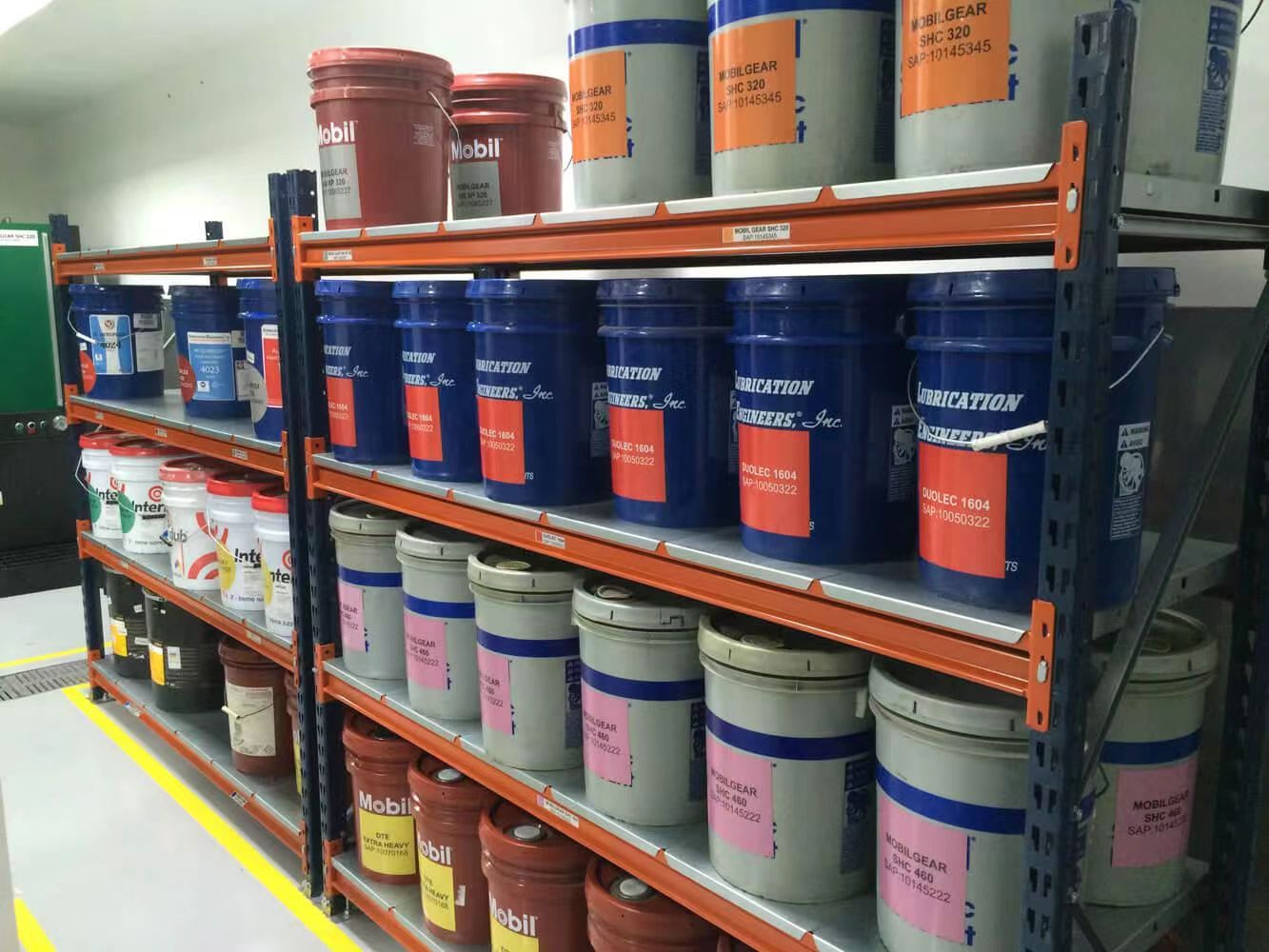
- Keep grease in its original container.
- Close containers immediately after use.
- Avoid direct sunlight and heat sources.
- Prevent water and dust contamination.
- Keep different grease products clearly identified.
- Follow the manufacturer's shelf-life recommendations.
- Use FIFO inventory management where appropriate.
What Should You Check Before Using Stored Grease?
Before applying stored grease, quickly inspect:
Packaging → Appearance → Consistency → Separation → Contamination
If you find significant oil separation, water, foreign particles, abnormal hardening or other unusual changes, do not use the grease without confirming its suitability.
Recommended Grease Storage Guide
| Risk | Possible Problem | Prevention |
|---|---|---|
| Excessive heat | Oxidation, separation | Avoid heat sources |
| Water | Contamination, corrosion risk | Keep containers sealed |
| Dust | Foreign particles | Clean storage area |
| Sunlight | Temperature increase | Store indoors |
| Long storage | Aging | Follow shelf-life guidance |
| Poor handling | Cross-contamination | Use clean tools |
Frequently Asked Questions
Can grease be stored outdoors?
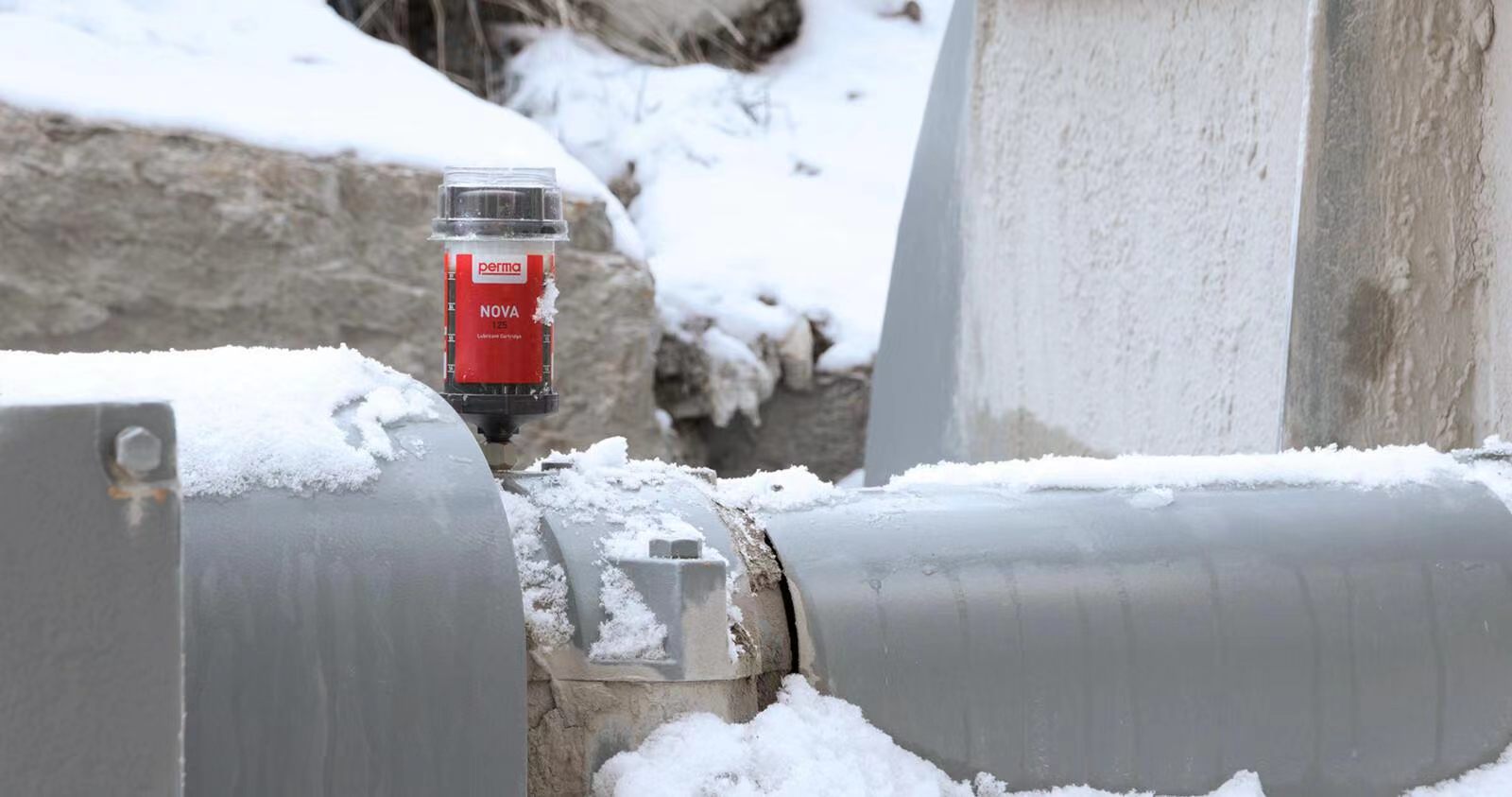
Generally, indoor storage is preferable. Outdoor exposure can introduce temperature fluctuations, moisture, dust and sunlight.
Can grease with some oil separation still be used?
It depends on the grease formulation and the degree of separation. Minor separation may be normal for some products, while significant separation should be evaluated before use.
Does grease have a shelf life?
Yes. Storage life varies by product. Always follow the lubricant manufacturer's recommended storage conditions and shelf-life information.
Conclusion
Proper grease storage starts before lubrication begins.
Keeping grease sealed, clean and protected from excessive temperature and moisture helps preserve its intended properties and grease performance.
For high-value industrial lubricants, correct storage is a simple but effective way to reduce lubricant waste, prevent contamination and ensure reliable equipment lubrication.
Grease and Seal Compatibility: A Practical Guide
Low Temperature Grease Failure: Causes, Effects and Solutions
Related Article