How Base Oil Viscosity Affects Lubrication Performance
Why Does Base Oil Viscosity Matter?
Although grease consistency is determined largely by its thickener system, the base oil viscosity has a major influence on how the grease lubricates moving surfaces.
In simple terms:
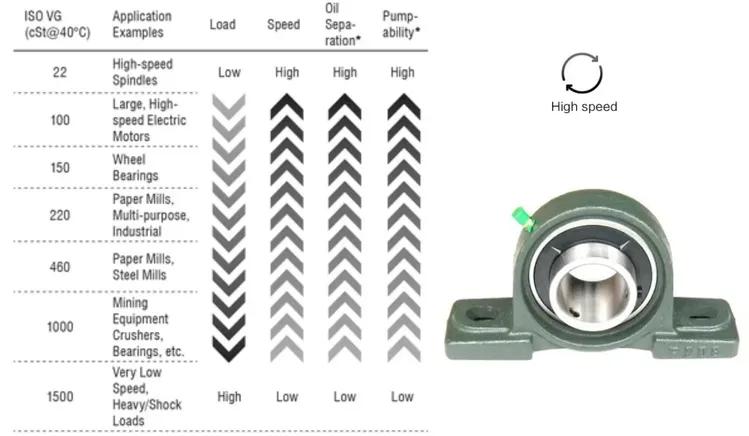
Lower viscosity → easier flow and lower friction at high speed
Higher viscosity → stronger oil film and better support under heavy loads
However, the actual performance also depends on temperature, bearing speed, load, base oil type and grease formulation.
Low vs. High Base Oil Viscosity
| Base Oil Viscosity | Typical Characteristics | Common Considerations |
|---|---|---|
| Low | Better flow, lower friction | High-speed bearings |
| Medium | Balanced performance | General industrial lubrication |
| High | Stronger oil film, better load support | Heavy loads and slower speeds |
Low Viscosity
Low-viscosity base oils are often suitable for high-speed bearings and precision equipment, where excessive internal friction and heat generation need to be controlled.
High Viscosity
High-viscosity base oils can provide a more robust lubricating film under heavy loads, shock loads or relatively low speeds.
What Happens When Viscosity Is Wrong?
Viscosity too low:
The oil film may be insufficient under heavy load, increasing metal-to-metal contact and wear.
Viscosity too high:
The grease may generate more churning resistance and heat, particularly in high-speed bearings.
This is why simply choosing a “high-performance” grease with a higher viscosity does not guarantee better lubrication.
How to Choose the Right Viscosity?
Consider these factors together:
- Bearing or component speed
- Operating temperature
- Load and pressure
- Bearing size
- Required oil film thickness
- Base oil type
- Lubrication method
- Manufacturer specifications
For example, high-speed spindle bearings generally require a different base oil viscosity from slow-speed, heavily loaded gears or bearings.
Base Oil Viscosity vs. NLGI Grade
Base oil viscosity and NLGI grade describe different properties.
NLGI grade = grease consistency
Base oil viscosity = viscosity of the lubricating oil within the grease
Therefore, two greases can both be NLGI 2 while having very different base oil viscosities and completely different application ranges.
Conclusion
Base oil viscosity is one of the key factors determining grease lubrication performance. The right choice should balance speed, load, temperature and oil-film requirements, rather than simply selecting the highest or lowest viscosity available.
Grease Thickener Types: A Complete Guide
NLGI Grease Grades: How to Choose the Right Consistency
Related Article