Chemical Resistance of PFPE Grease Explained
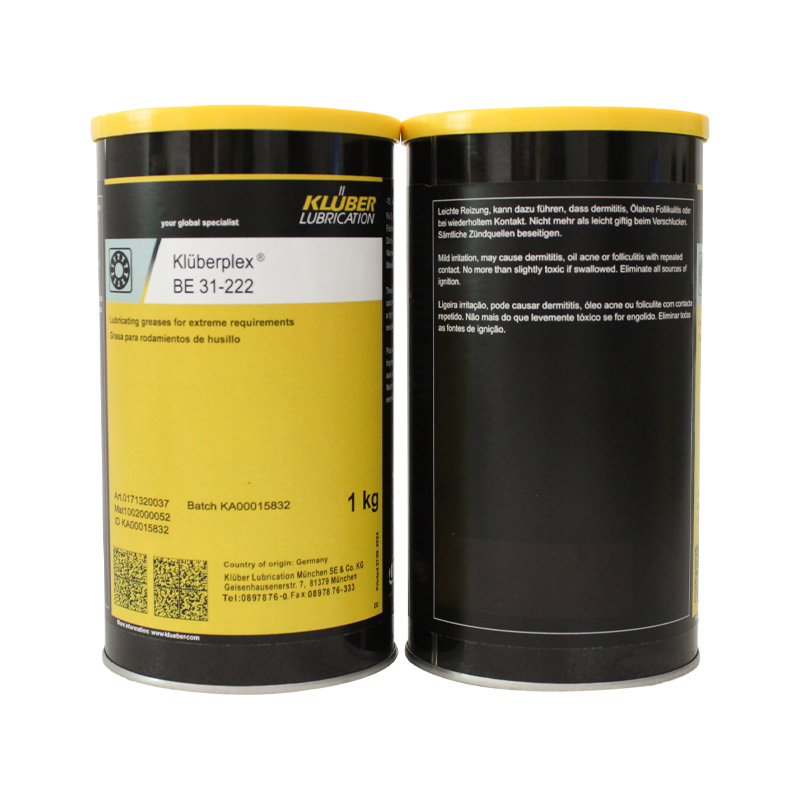
In industries such as semiconductors, chemical processing, and vacuum systems, lubricants must withstand aggressive chemicals while maintaining performance. PFPE (perfluoropolyether) grease, with its unique molecular structure, delivers outstanding chemical resistance, making it the ideal choice for demanding applications.
1. Chemical Stability of PFPE Grease
-
Fully fluorinated structure: Strong carbon-fluorine bonds provide exceptional chemical inertness.
-
Acid and alkali resistance: Withstands most strong acids, bases, and organic solvents.
-
Non-reactive to gases: Remains stable in environments with oxygen, chlorine, and fluorine.
2. Applications and Advantages
-
Semiconductor manufacturing: Maintains cleanliness and lubrication without contamination in high-purity environments.
-
Chemical equipment: Suitable for valves, seals, and pumps exposed to corrosive agents.
-
Vacuum and aerospace: Low volatility and high stability make it ideal for vacuum pumps and aerospace components.
3. Comparison with Conventional Grease
-
Mineral and synthetic hydrocarbon greases degrade in oxidative environments, while PFPE remains stable.
-
PFPE offers longer service life under high temperature, heavy load, and corrosive conditions.
4. Usage Recommendations
-
Incompatible with most other greases; surfaces must be cleaned thoroughly before switching.
-
Select the right thickener type to balance chemical resistance and mechanical stability.
-
Due to higher cost, PFPE grease is best reserved for critical applications requiring maximum reliability.
Conclusion
With superior chemical resistance, PFPE grease ensures reliable lubrication in semiconductors, chemical plants, and vacuum systems. It extends equipment life and guarantees stable performance in extreme environments.
How to Determine If Grease Needs Replacement: Five Key Indicators
Storage and Usage Tips to Prevent Grease Hardening and Oil Separation
Related Article