Anti-Seize Compound vs Grease: What Is the Difference?
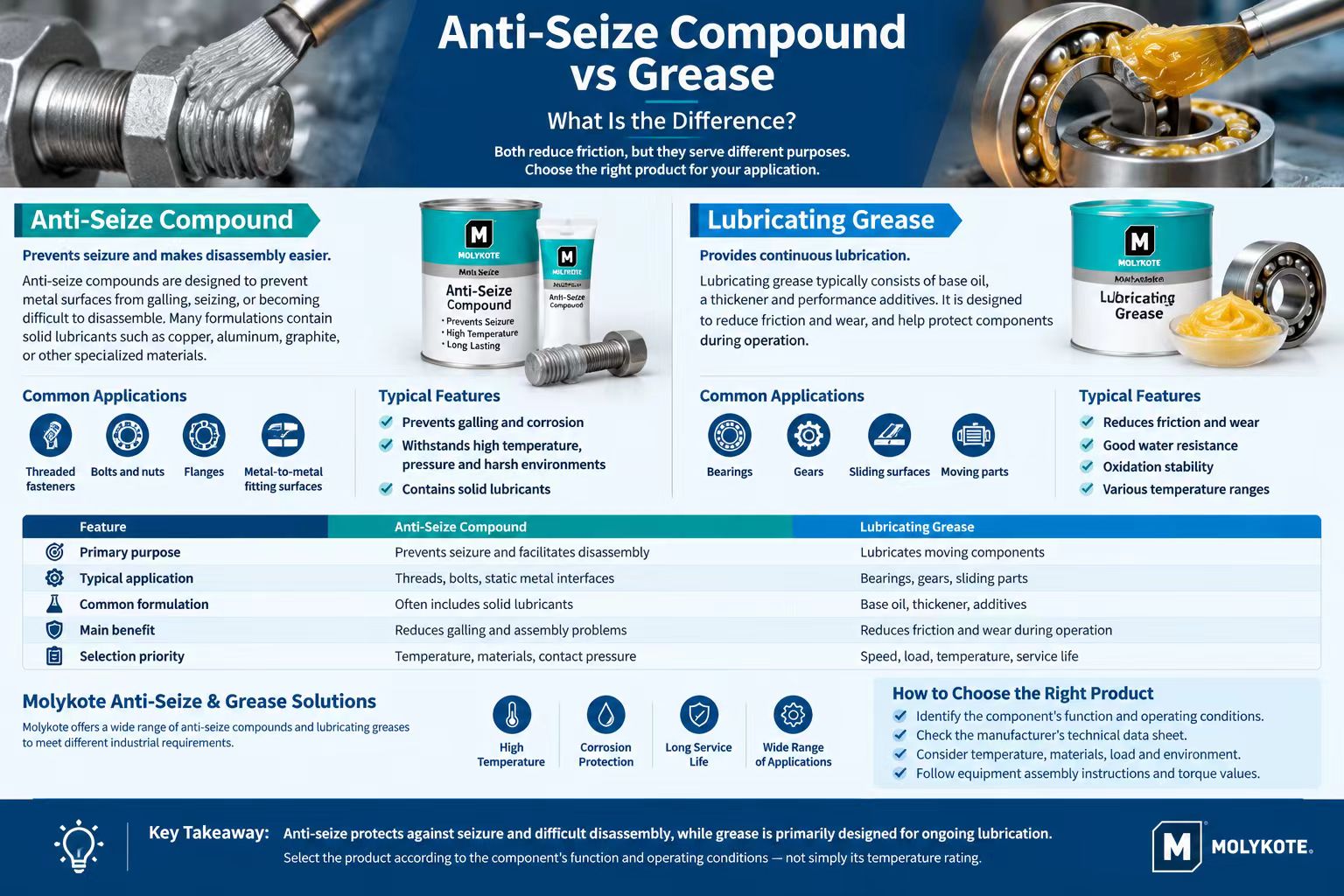
Anti-seize compounds and lubricating greases are both used in industrial maintenance, but they serve different purposes. Choosing the wrong product can lead to inadequate lubrication, difficult disassembly, or premature component wear.
1. What Is Anti-Seize Compound?
Anti-seize compound is designed to prevent metal surfaces from galling, seizing, or becoming difficult to disassemble. Many formulations contain solid lubricants such as copper, aluminum, graphite, or other specialized materials.
Common applications include threaded fasteners, bolts, nuts, flanges, and metal-to-metal fitting surfaces exposed to heat, pressure, or corrosive conditions.
For example, Molykote offers specialized anti-seize products for different assembly and maintenance requirements. The appropriate grade depends on temperature, material compatibility, electrical considerations, and application conditions.
2. What Is Lubricating Grease?
Lubricating grease typically consists of base oil, a thickener, and performance additives. It is designed to provide lubrication, reduce friction and wear, and help protect components during operation.
Common applications include rolling bearings, sliding surfaces, gears, and other moving components.
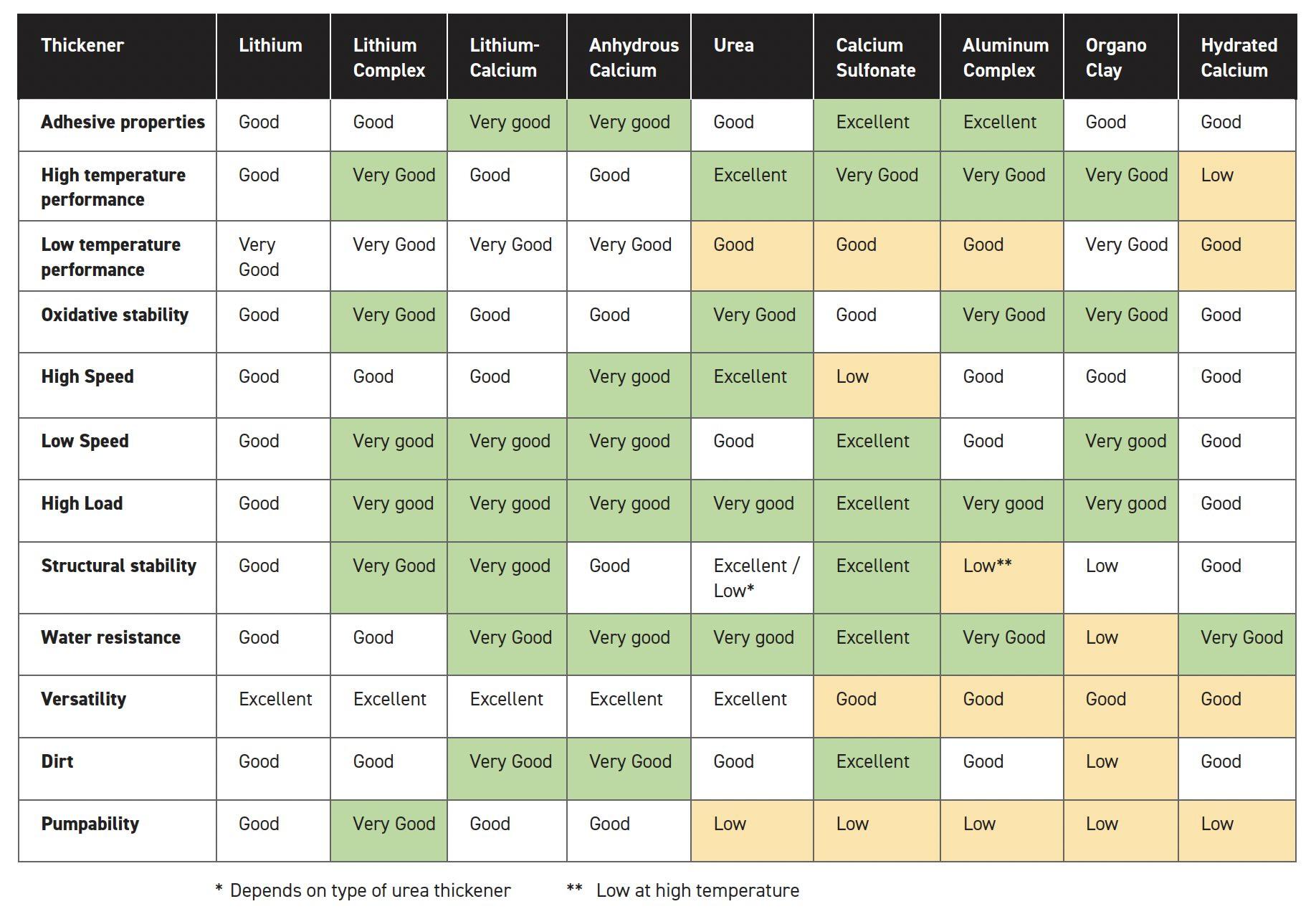
Different grease formulations offer different properties, including water resistance, oxidation stability, load-carrying capability, and temperature performance.
3. Key Differences
| Feature | Anti-Seize Compound | Lubricating Grease |
|---|---|---|
| Primary purpose | Prevents seizure and facilitates disassembly | Lubricates moving components |
| Typical application | Threads, bolts, static metal interfaces | Bearings, gears, sliding parts |
| Common formulation | Often includes solid lubricants | Base oil, thickener, additives |
| Main benefit | Reduces galling and assembly problems | Reduces friction and wear during operation |
| Selection priority | Temperature, materials, contact pressure | Speed, load, temperature, service life |
Some products have overlapping capabilities, but the two categories should not be treated as interchangeable.
4. How to Choose the Right Product
Use an anti-seize compound when the main concern is preventing threaded or metal components from sticking together, especially under challenging assembly or disassembly conditions.
Choose lubricating grease when components require ongoing lubrication during movement or rotation.
Always check the manufacturer's technical data sheet. Applying anti-seize to torque-critical fasteners may change the friction coefficient and affect the resulting clamping force. Follow the equipment manufacturer's assembly instructions and specified torque values.
The key takeaway: Anti-seize protects against seizure and difficult disassembly, while grease is primarily designed for ongoing lubrication. Select the product according to the component's function and operating conditions—not simply its temperature rating.
Food Grade Grease (NSF H1): A Basic Guide
Related Article