High-Temperature Grease Evaporation and Relubrication Cycle Analysis
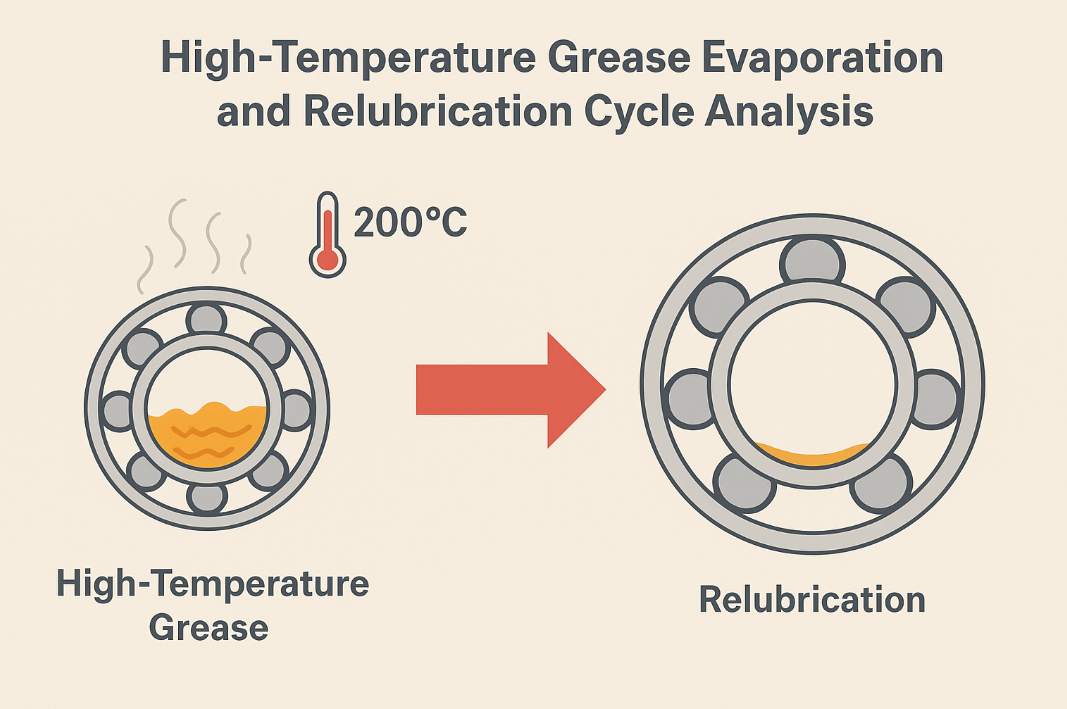
In high-temperature operating environments, the stability and lifespan of lubricating grease are directly affected by heat-induced evaporation, oxidation, and oil separation. These factors play a critical role in determining relubrication intervals, bearing reliability, and overall equipment performance.
1. Mechanism of Grease Evaporation at High Temperatures
When exposed to elevated temperatures, the base oil within the grease—whether synthetic or mineral—gradually volatilizes. The rate of evaporation depends on factors such as:
-
Base oil type (PAO, ester, PFPE, or silicone).
-
Temperature range and duration of exposure.
-
Ventilation or vacuum conditions around the bearing.
-
Thickener type and its ability to retain oil.
At temperatures exceeding 150°C, conventional lithium greases may lose oil rapidly, leading to hardening and inadequate lubrication. High-performance alternatives like PFPE, PAO + complex thickener, or fluorinated greases provide significantly lower evaporation losses.
2. Impact on Bearing Life and Relubrication Cycles
As grease evaporates or oxidizes, the lubrication film between rolling elements diminishes, resulting in:
-
Increased friction torque and temperature rise.
-
Accelerated bearing wear or surface fatigue.
-
Reduced operational lifespan.
The relubrication interval is typically shortened under high-heat conditions. Manufacturers often provide reference formulas, e.g.:
L₁ = L₀ × (100 / T)
where L₁ is the adjusted grease life and T is the average operating temperature in °C.
3. Optimizing Relubrication Schedules
For stable long-term performance in high-temperature applications such as reflow ovens, motors, and injection mold bearings, the following strategies are recommended:
-
Use synthetic base greases (PFPE, ester, PAO) with high evaporation resistance.
-
Maintain clean, closed lubrication systems to minimize contamination.
-
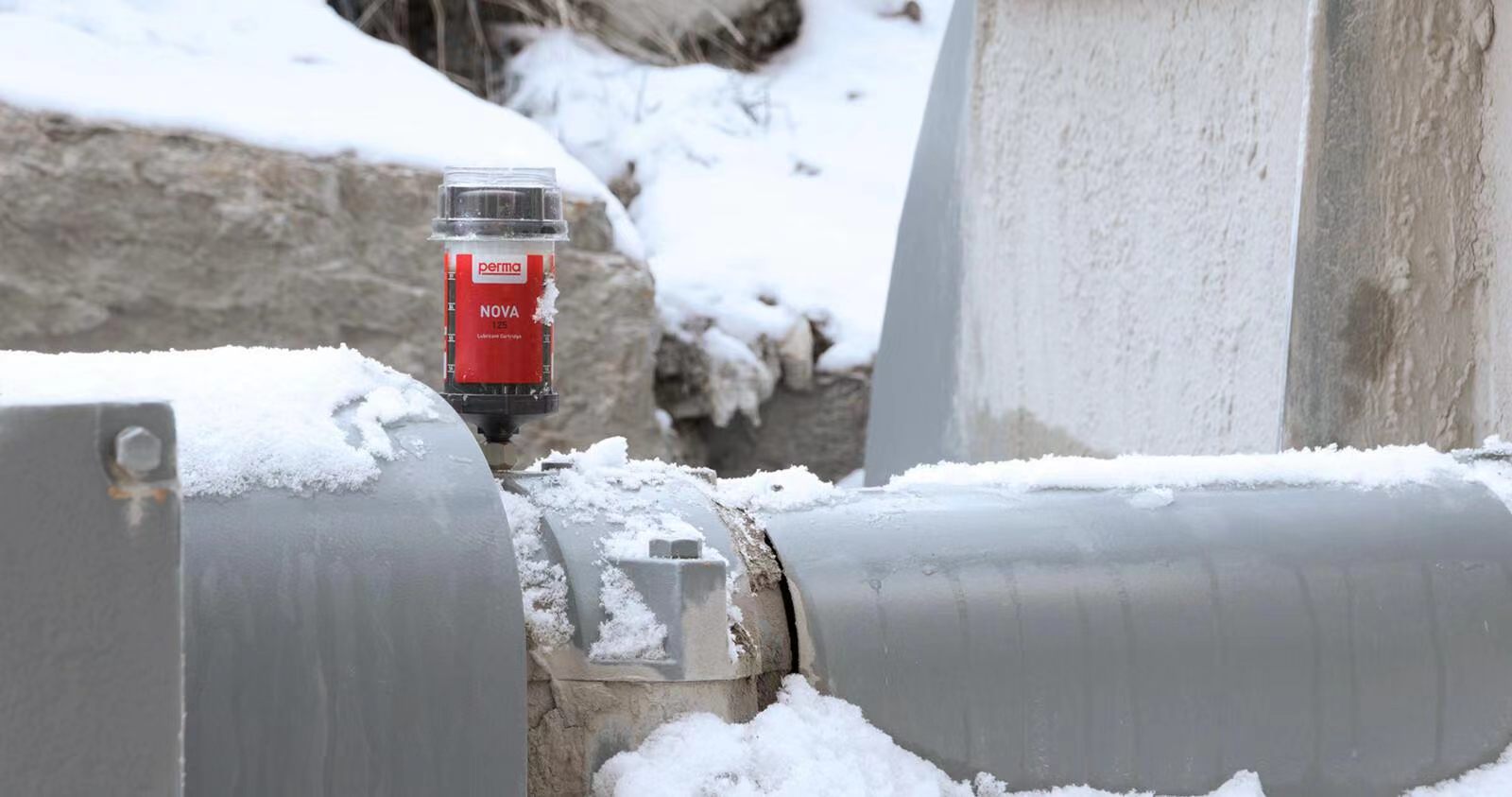
Apply automatic or scheduled relubrication using metered grease dispensers.
-
Conduct periodic inspections for texture, color, and residue.
4. Conclusion
Selecting the right grease formulation and relubrication strategy is essential for ensuring reliability in high-temperature mechanical systems. By monitoring evaporation behavior and adapting maintenance intervals, manufacturers can achieve longer equipment uptime, reduced energy loss, and improved cost efficiency.
Impact of REACH and RoHS on Lubricant Products and Certification Requirements
Advantages of PFPE and FFKM Fluorinated Lubricants in Extreme Environments
Related Article