How to Select the Right Grease for High Temperature, High Speed, and Heavy Load Applications?

In industrial equipment, selecting the right grease is essential. Different operating conditions, such as high temperature, high speed, and heavy load, place unique demands on grease performance. Improper selection not only reduces lubrication efficiency but may also cause wear or failure. Below are selection guidelines for three common operating conditions:
-
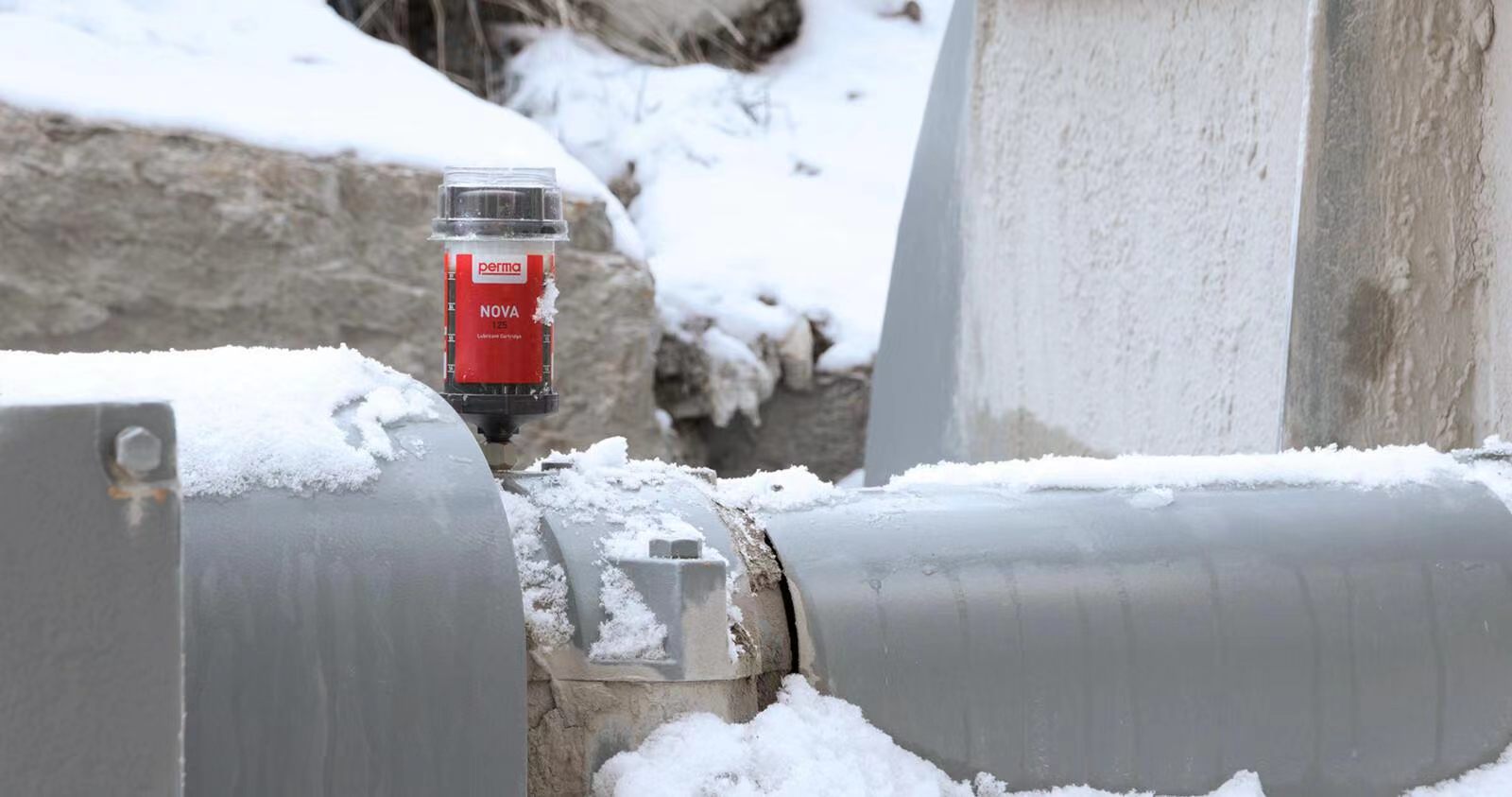
High Temperature Applications
In high-temperature environments, conventional grease may oxidize, evaporate, or harden, losing its lubrication function. Recommended options include synthetic oil-based greases (PAO, ester) or perfluoropolyether (PFPE) greases, combined with high-temperature thickeners such as polyurea or inorganic types. -
High Speed Applications
Under high-speed operation, grease must offer low friction and excellent shear stability to prevent overheating or grease loss. Low-viscosity synthetic greases with lightweight thickeners are often used to maintain a stable lubrication film in high-speed bearings or spindles. -
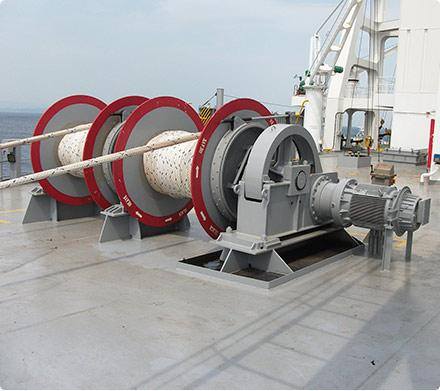
Heavy Load Applications
For equipment subject to heavy or shock loads, grease requires excellent extreme pressure (EP) and anti-wear properties. Greases containing solid lubricants such as molybdenum disulfide or graphite are recommended, as they form a durable protective film that minimizes direct metal-to-metal contact.
✅ Conclusion:
Selecting the right grease for specific conditions is key to ensuring equipment reliability and extending service life. Companies should consider operating parameters, environmental conditions, and manufacturer recommendations when defining lubrication strategies.
Mineral Oil vs Synthetic Grease: Performance Differences and Application Guide
How to Determine If Grease Needs Replacement: Five Key Indicators
Related Article