Common Signs and Detection Methods for Grease Oxidation, Evaporation, and Aging
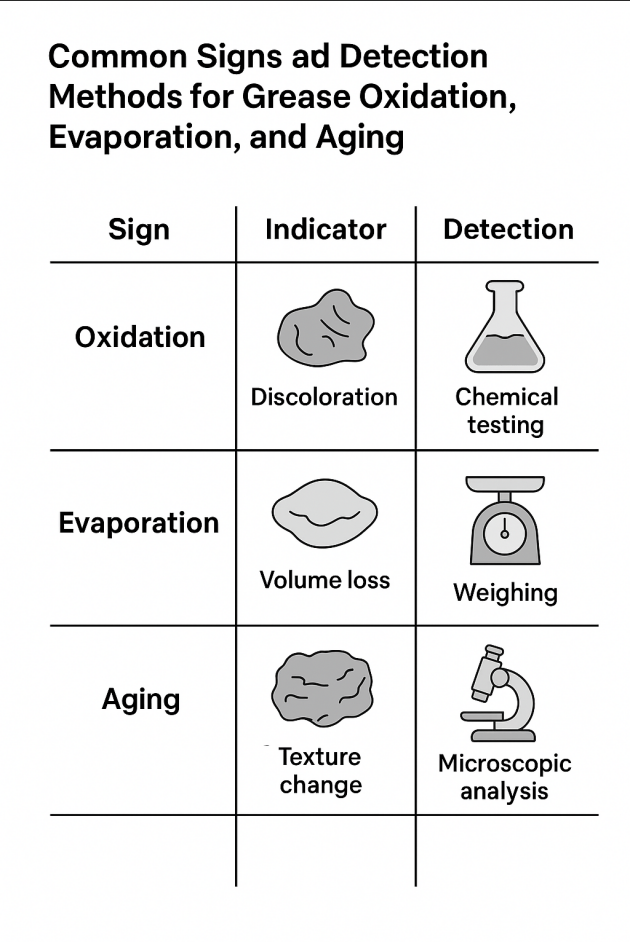
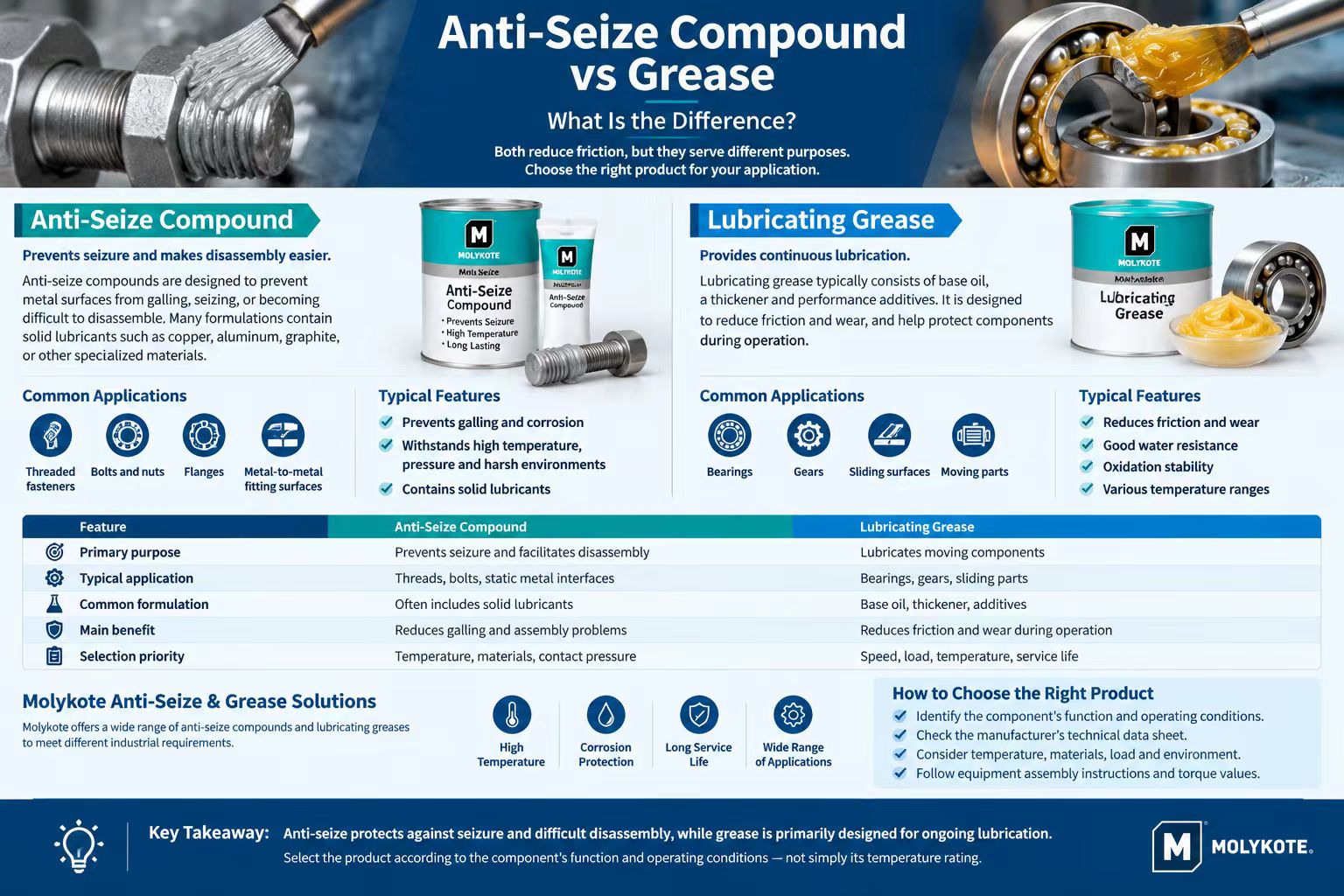
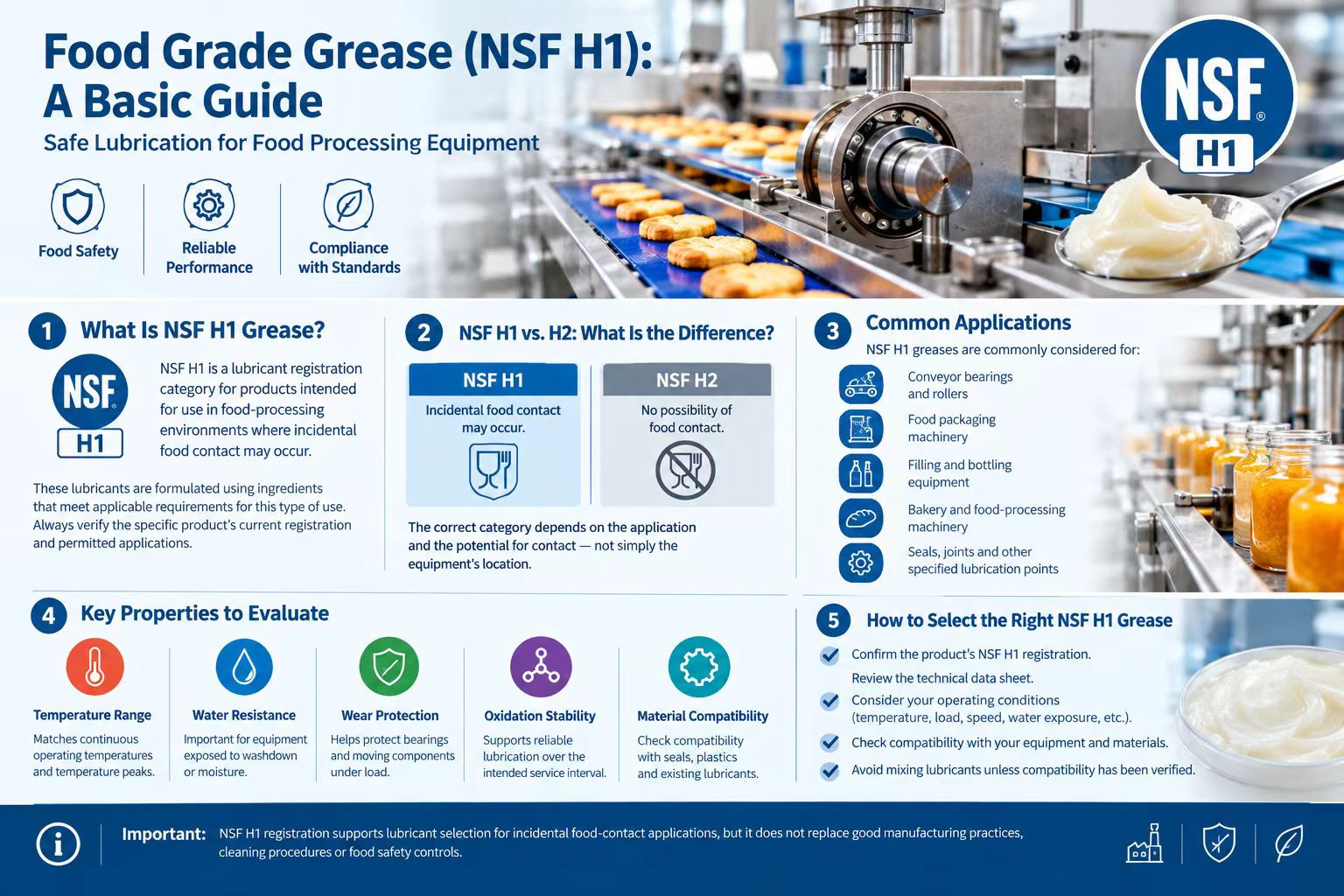
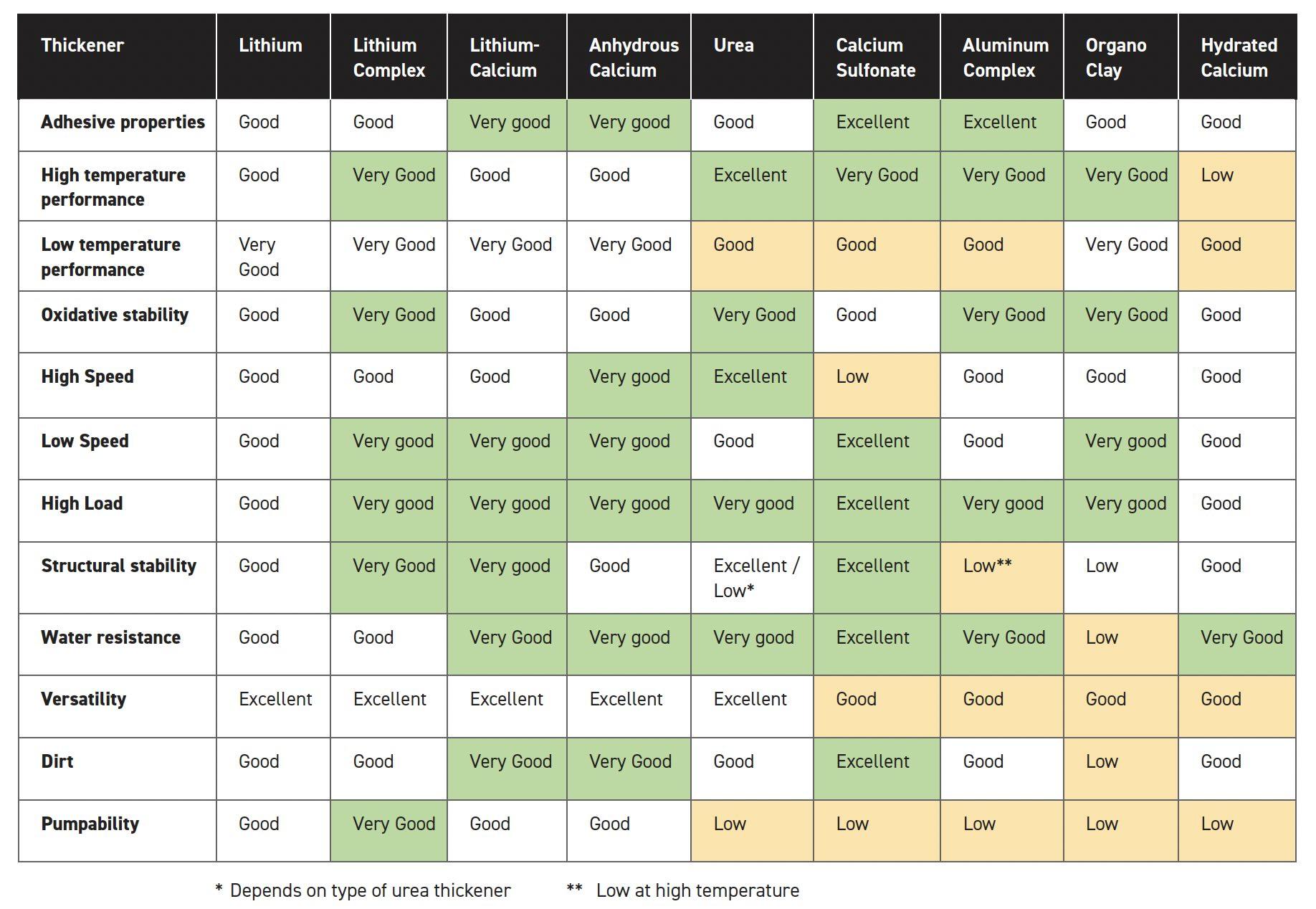
In industrial machinery, the performance of grease gradually declines due to oxidation, evaporation, and mechanical aging. When degradation begins, lubrication effectiveness decreases, leading to increased friction, temperature rise, and accelerated wear. Understanding the signs of grease deterioration—and how to detect them—is essential for predictive maintenance and equipment reliability.
1. Grease Oxidation
Oxidation occurs when grease reacts with oxygen under heat and mechanical stress.
Typical environments: high-temperature bearings, electric motors, conveyors, and continuous-operation machinery.
Common Signs
-
Darkening or discoloration
-
Hardening or formation of crust on grease surface
-
Strong acidic or burnt smell
Detection Methods
-
Chemical analysis (FTIR, acid number testing)
Measures oxidation by tracking chemical changes in the base oil. -
Color comparison against new grease
-
Drop point changes through ASTM D2265
2. Grease Evaporation
Evaporation occurs when the lighter oil components volatilize during high-temperature operation.
Common Signs
-
Noticeable decrease in grease volume
-
Oil separation and dry thickener residue
-
Increased bearing noise and temperature
Detection Methods
-
Weight loss tests (ASTM D972)
– Measures evaporation percentage under controlled heating. -
Visual inspection of dry or cracked grease
-
Bleeding rate evaluation to determine oil retention capability
3. Mechanical Aging
Aging results from long-term mechanical shear, contamination, vibration, and environmental exposure.
Common Signs
-
Texture change (softening or stiffening)
-
Separation of oil and thickener
-
Presence of metal particles or contaminants
-
Increased vibration or inconsistent machine motion
Detection Methods
-
Microscopic analysis
– Identifies thickener structure breakdown or contamination. -
Consistency testing (ASTM D217)
– Determines NLGI penetration change over time. -
Wear debris analysis
– Evaluates bearing fatigue or metal wear contamination.
4. Why Early Detection Matters
Identifying grease degradation early helps to:
-
Extend bearing and guide life
-
Reduce unexpected downtime
-
Maintain accuracy in high-precision equipment (SMT, robotics, CNC)
-
Optimize lubrication intervals
-
Prevent catastrophic failures caused by lubrication starvation
Conclusion
Understanding oxidation, evaporation, and aging mechanisms is crucial for maintaining stable lubrication performance. With proper inspections and standardized testing methods, manufacturers can significantly improve equipment reliability and reduce long-term maintenance costs.
Optimization of Lubrication Solutions for Conveyor Rollers and Bearings
Lubrication Maintenance Cycles and Grease Replacement Standards for Electronic Manufacturing Equipment
Related Article