Optimization of Lubrication Solutions for Conveyor Rollers and Bearings
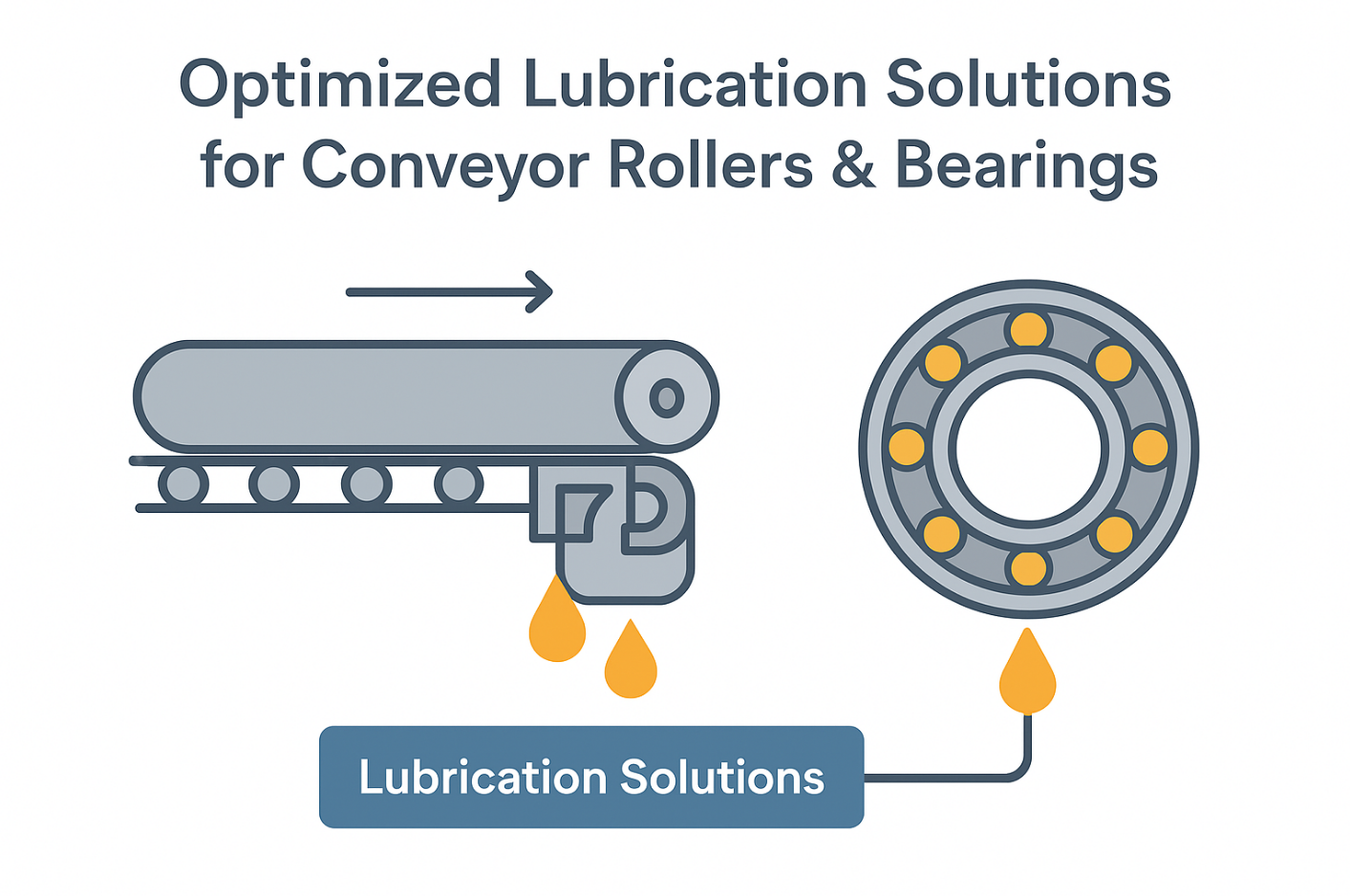
Efficient lubrication is essential for maintaining the reliability and service life of conveyor rollers and bearings used in logistics, manufacturing, mining, and automated production lines. Improper lubrication often leads to increased friction, overheating, premature bearing wear, and unexpected downtime. A well-designed lubrication strategy significantly improves equipment stability, energy efficiency, and overall operational productivity.
1. Understanding Lubrication Requirements in Conveyor Systems
Conveyor rollers and bearings operate under varying loads, speeds, and environmental conditions. Common stress factors include:
-
Continuous rotation at moderate to high speeds
-
Dust, moisture, or chemical exposure
-
Shock loads from uneven material feed
-
Temperature fluctuations in indoor/outdoor systems
These conditions directly influence the choice of lubricant and lubrication interval.
2. Recommended Grease Types for Conveyor Rollers and Bearings
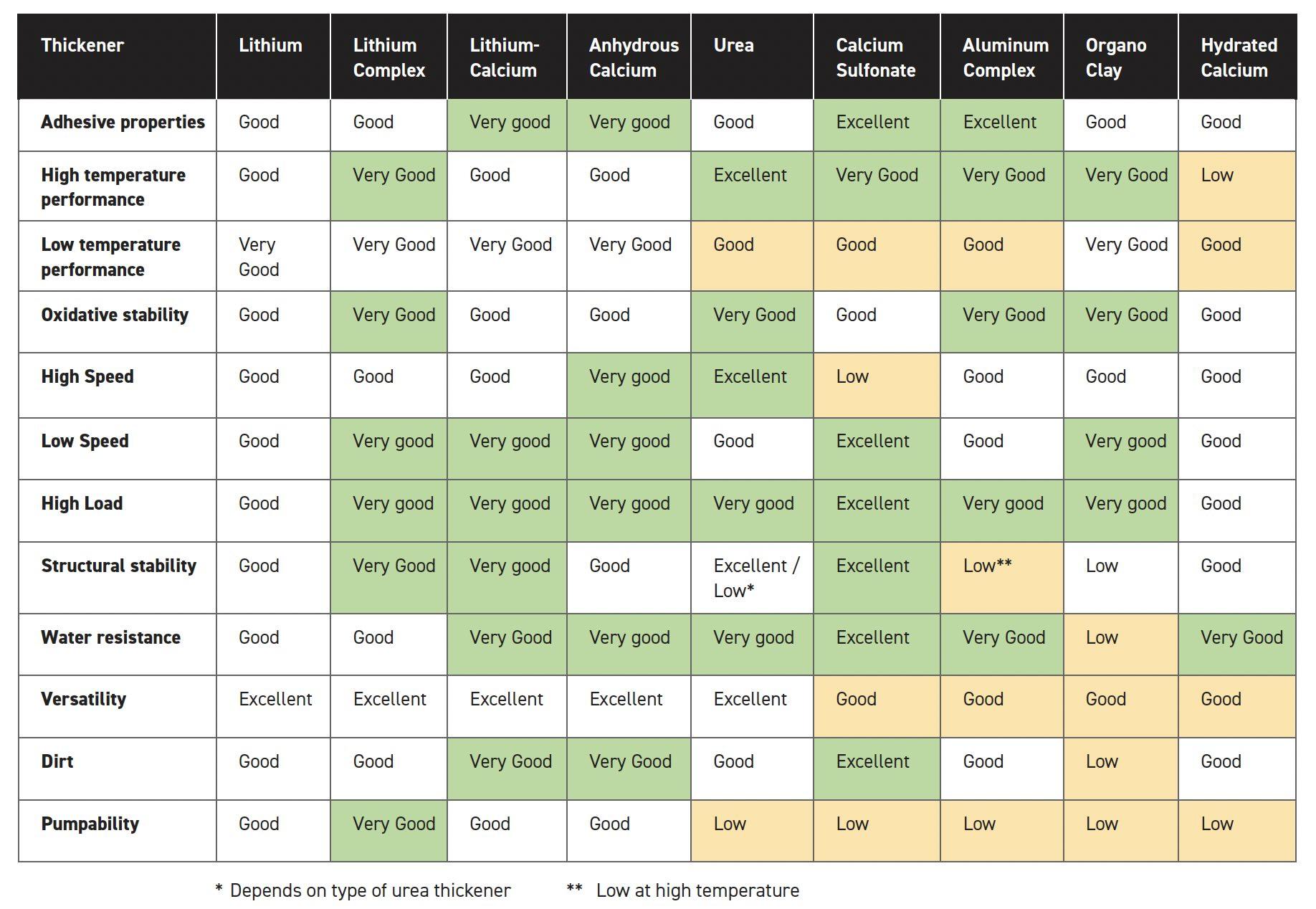
a) Lithium or Lithium-Complex Grease
Suitable for general-purpose conveyor applications.
Advantages:
-
Good shear stability
-
Affordable and widely available
b) High-Temperature Synthetic Grease (PAO or Ester-Based)
For ovens, curing lines, or continuous high-temperature operation.
Benefits:
-
Low evaporation loss
-
Stable viscosity over a wide temperature range
c) PFPE Grease for Harsh Environments
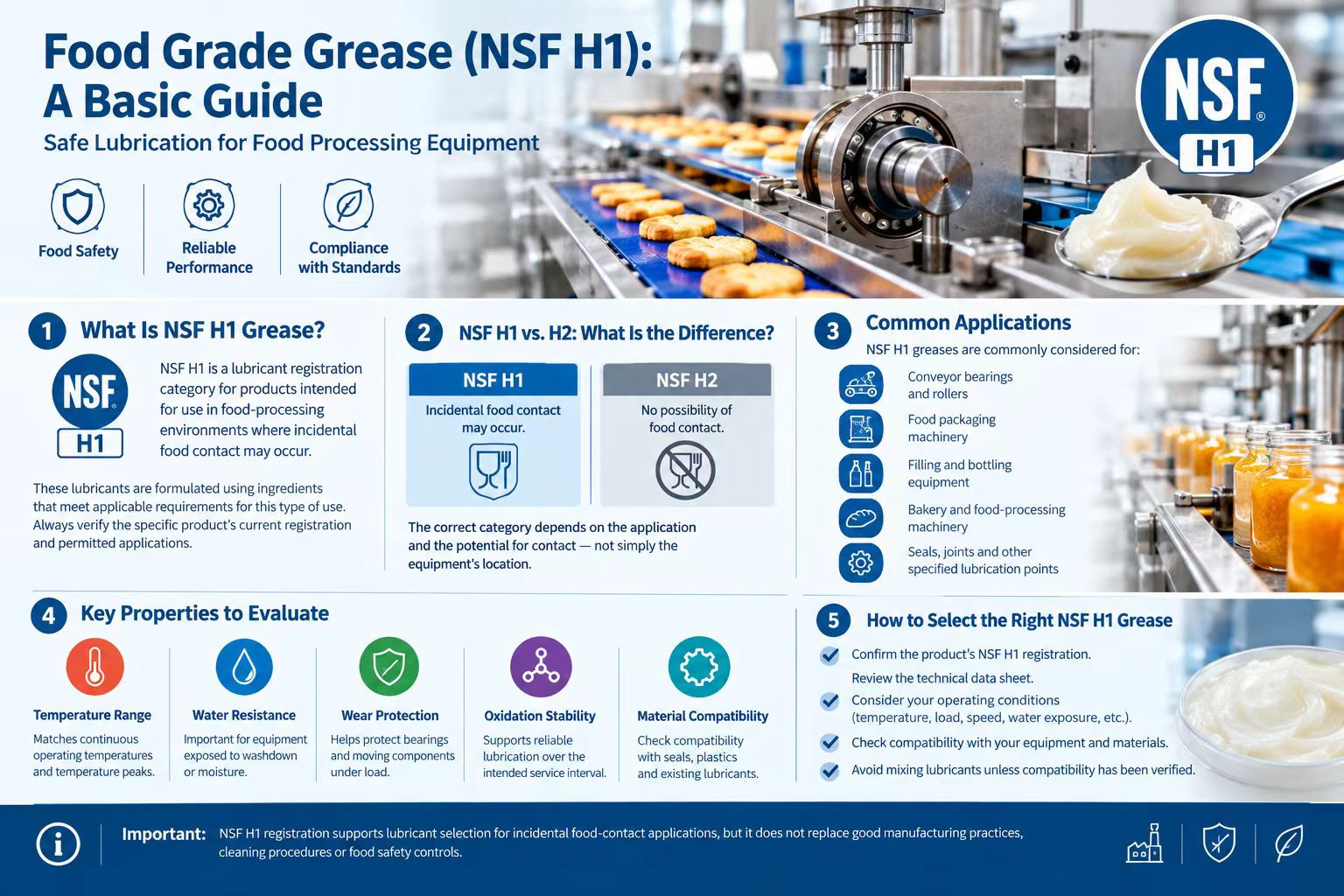
Used in food processing, clean rooms, or corrosive environments.
Key Features:
-
Chemically inert
-
Excellent oxidation resistance
-
Extremely long service life
d) Greases with EP & Anti-Wear Additives
For heavy-load conveyors such as mining or steel plants.
Enhances:
-
Load-carrying capacity
-
Protection against metal-to-metal contact
3. Lubrication Methods: Choosing the Right System
1) Manual Greasing
Best for low-duty or small conveyors, allowing simple, cost-effective lubrication.
Limitations:
-
Risk of insufficient lubrication
-
Labor-intensive
2) Automatic Lubricators
Single-point or multi-point systems provide continuous and controlled delivery.
Benefits:
-
Precise dosing
-
Reduced maintenance labor
-
Stable lubrication even in inaccessible locations
3) Centralized Lubrication Systems
Ideal for long or fully automated conveyor lines.
Advantages:
-
Uniform lubrication across all rollers
-
Real-time monitoring of lubricant consumption
-
Lower risk of bearing failure
4. Key Optimization Strategies
✔ Select Grease Based on Operating Temperature
-
Low temp: Light synthetic grease
-
Medium temp: Lithium-complex EP
-
High temp: Ester or PFPE grease
✔ Adjust Relubrication Intervals by Bearing Speed (DN Value)
Faster rollers require shorter lubrication cycles.
✔ Ensure Proper Grease Quantity
Over-greasing causes heat build-up; under-greasing leads to metal wear.
✔ Prevent Contamination
Use sealed bearings or labyrinth seals in dusty environments.
✔ Track Bearing Temperature Trends
An upward temperature trend is an early sign of lubrication starvation.
5. Benefits of an Optimized Lubrication Program
An optimized lubrication strategy can yield measurable performance gains:
-
30–50% reduction in bearing failures
-
Lower power consumption
-
Longer roller lifespan
-
Reduced downtime and maintenance cost
-
Improved overall equipment efficiency (OEE)
Conclusion
By selecting appropriate grease types and adopting the optimal lubrication method—whether manual, automatic, or centralized—conveyor operators can significantly enhance equipment durability and operational reliability. As production lines become more automated and continuous, investing in proper lubrication management is increasingly essential for maintaining system stability.
Performance Differences Between Synthetic Grease and Mineral Grease
Common Signs and Detection Methods for Grease Oxidation, Evaporation, and Aging
Related Article