Why Bearings Fail Even With Proper Lubrication
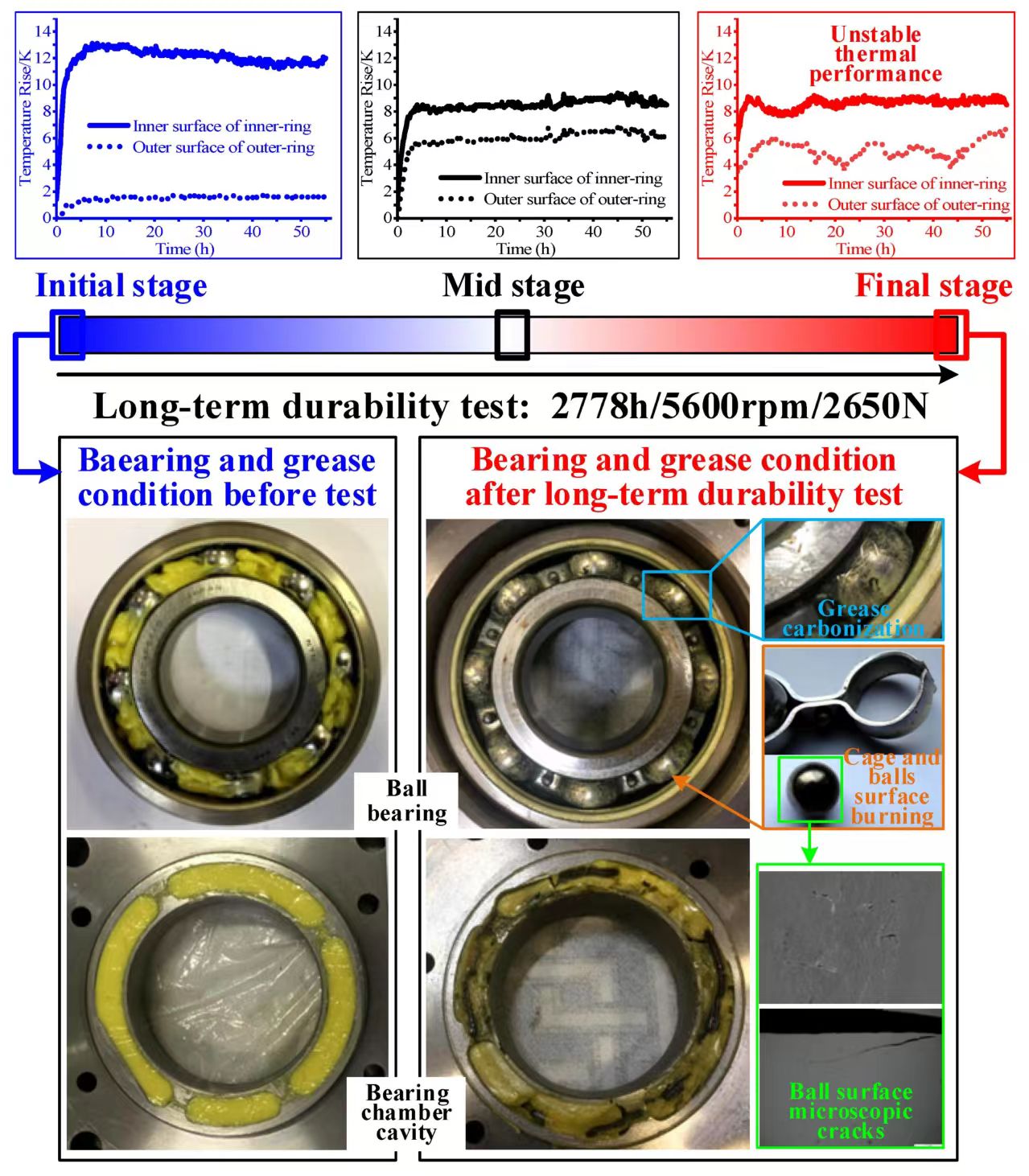
One of the most common misconceptions in industrial maintenance is that adding grease automatically prevents bearing failure.
In reality, industry studies have shown that although improper lubrication is a major cause of bearing failures, many failures still occur even when grease is present. The root cause is often related to lubricant selection, contamination, operating conditions, installation quality, or bearing design rather than simply the amount of grease.
This guide explains the most common reasons why bearings fail despite being lubricated and how to prevent these failures.
1. Incorrect Grease Selection
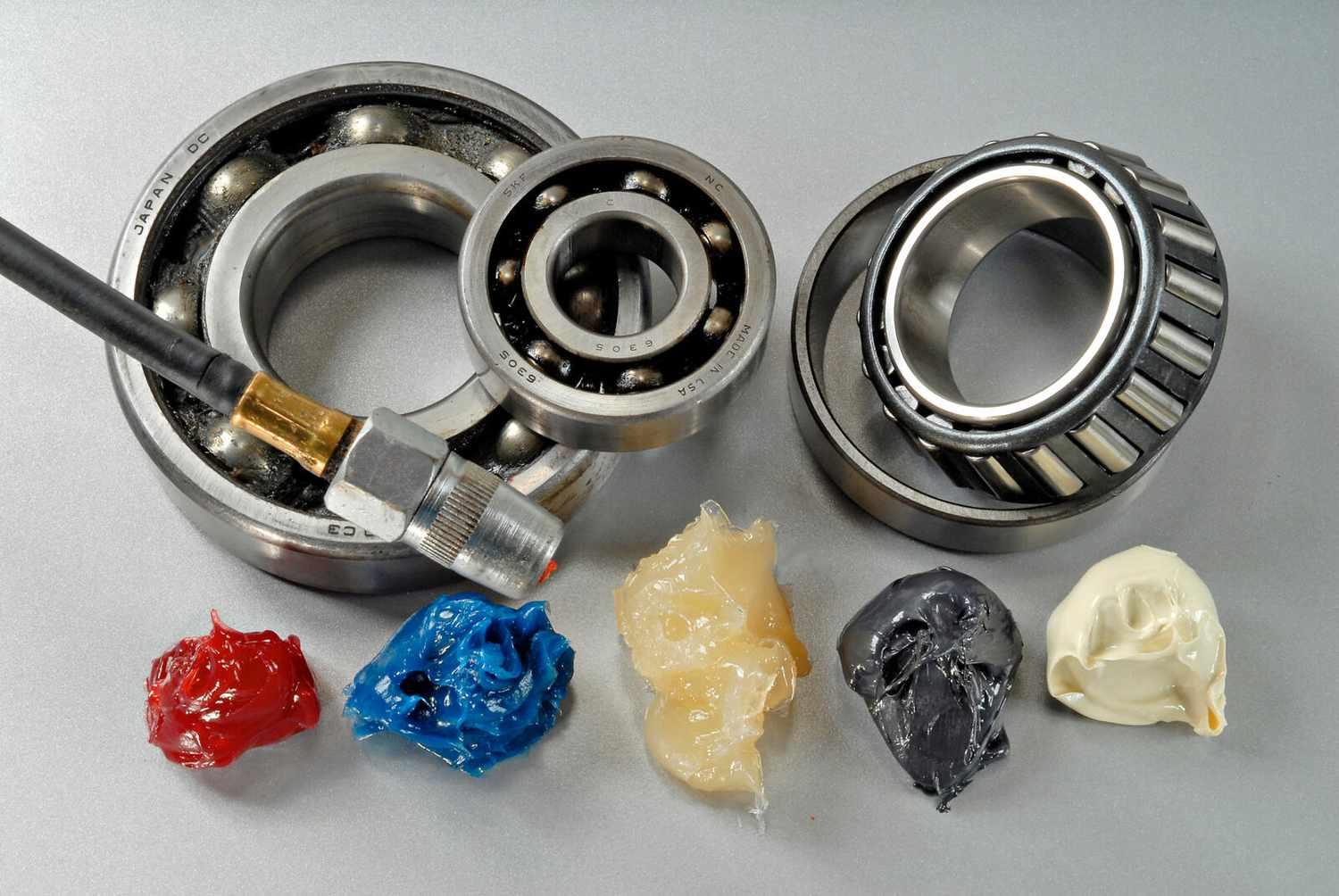
Having grease inside the bearing does not necessarily mean the correct lubricant has been used.
Selecting the wrong grease may result in:
- Inadequate oil film thickness
- Poor load-carrying capacity
- Excessive friction
- High operating temperatures
- Premature bearing wear
Examples
High-speed bearings require low-torque grease.
Heavy-load bearings require extreme-pressure (EP) grease.
High-temperature bearings require oxidation-resistant synthetic grease.
Recommended Products
High-speed bearings
- NSK LR3
- Klüber ISOFLEX TOPAS NB 52
Heavy-load bearings
- Molykote BR2 Plus
- SKF LGEM 2
High-temperature applications
- Klüber PETAMO GHY 133N
- Kyodo Yushi Multemp PS No.2
2. Contamination Inside the Bearing
Contamination is one of the leading causes of premature bearing failure.
Common contaminants include:
- Dust
- Sand
- Metal particles
- Water
- Cleaning chemicals
These contaminants damage the lubricant film and create abrasive wear on rolling elements and raceways.
Prevention
- Use sealed bearings whenever possible.
- Clean grease fittings before lubrication.
- Store grease in sealed containers.
- Avoid exposing lubricants to dust or moisture during maintenance.
3. Over-Lubrication
Adding more grease does not improve bearing protection.
Excess grease can:
- Increase internal pressure
- Raise operating temperatures
- Cause grease leakage
- Damage bearing seals
- Increase power consumption
Best Practice
Always follow the equipment manufacturer's recommended grease quantity and relubrication interval.
4. Bearing Misalignment
Even with excellent lubrication, shaft or housing misalignment can create uneven load distribution.
This may result in:
- Edge loading
- Excessive vibration
- Increased bearing temperature
- Accelerated fatigue failure
Lubrication cannot compensate for mechanical installation errors.
5. Excessive Load
Industrial bearings sometimes operate beyond their design limits.
Typical causes include:
- Heavy shock loads
- Frequent starts and stops
- Improper machine design
- Unexpected overloads
Heavy-load applications require grease with excellent EP performance.
Recommended Products
- SKF LGEM 2
- Molykote BR2 Plus
- OKS 400
6. Excessive Operating Temperature
Heat significantly accelerates grease degradation.
As temperature rises:
- Base oil oxidizes faster.
- Oil evaporates.
- Grease hardens.
- Lubrication film weakens.
Eventually, the bearing operates with insufficient lubrication.
Recommended Products
- Klüber PETAMO GHY 133N
- NSK AS2
7. Mixing Different Greases
Different grease formulations are not always compatible.
Mixing different thickeners may cause:
- Oil separation
- Grease softening
- Grease hardening
- Reduced lubrication performance
Whenever changing grease types, completely remove the old lubricant whenever practical and verify compatibility.
8. Improper Installation
A perfectly lubricated bearing may still fail if installation is incorrect.
Typical installation errors include:
- Hammer installation
- Excessive mounting force
- Incorrect bearing clearance
- Improper shaft fit
Installation quality directly affects bearing life.
9. Electrical Damage
Electric motors using variable frequency drives (VFDs) may experience electrical current passing through bearings.
Typical damage includes:
- Electrical pitting
- Fluting
- Surface erosion
Grease cannot prevent electrical discharge damage by itself. Additional measures such as insulated bearings or shaft grounding may be required.
Recommended Grease Selection by Application
| Application | Recommended Products |
|---|---|
| High-speed electric motors | NSK LR3, Klüber ISOFLEX TOPAS NB 52 |
| Heavy-load bearings | Molykote BR2 Plus, SKF LGEM 2 |
| High-temperature equipment | Klüber PETAMO GHY 133N |
| Wet and corrosive environments | SKF LGWM 2, OKS 422 |
| Food processing machinery | Klübersynth UH1 14-222 |
Product selection should always be based on the equipment manufacturer's recommendations, operating speed, load, temperature, environmental conditions, and grease compatibility.
Frequently Asked Questions
Why can a bearing fail even if there is plenty of grease?
Because grease quantity alone is not enough. Incorrect grease selection, contamination, excessive heat, overload, misalignment, poor installation, or electrical damage can all lead to bearing failure.
Does adding more grease improve bearing life?
No. Over-lubrication can increase operating temperatures, damage seals, and accelerate bearing failure.
How can I extend bearing service life?
Select the appropriate grease, keep contaminants out, follow the recommended lubrication interval, avoid mixing incompatible greases, monitor operating conditions, and ensure correct installation and alignment.
Can Different Greases Be Mixed? Compatibility Guide
Top 5 Causes of Grease Leakage and Oil Separation
Related Article