High Temperature Grease: Key Properties Explained
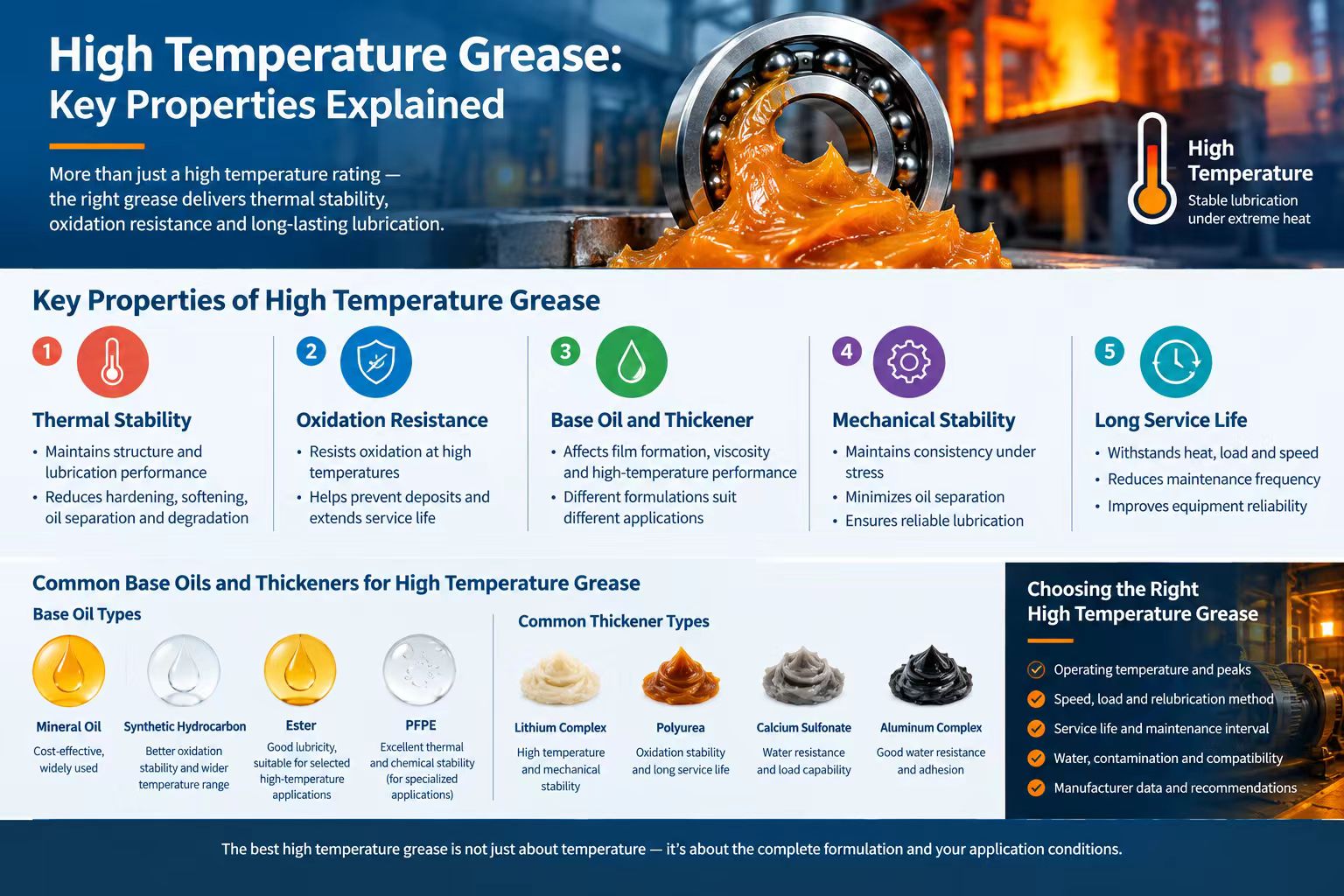
High temperature grease is designed for applications where conventional lubricants may oxidize, harden, soften, or lose lubrication performance under elevated temperatures. However, a high maximum operating temperature alone does not guarantee reliable lubrication. Several key properties should be evaluated before selecting a grease.
1. Thermal Stability
Thermal stability determines how well a grease maintains its structure and lubrication properties when exposed to elevated temperatures. A suitable formulation helps reduce unwanted hardening, softening, oil separation, and degradation.
The actual performance depends on the complete formulation, operating conditions, and exposure time.
2. Oxidation Resistance
High temperatures accelerate oxidation, which can cause grease to darken, harden, form deposits, and lose its lubricating effectiveness. Oxidation-resistant base oils and suitable additives can help extend service life.
For continuously operating bearings, oxidation resistance is especially important because prolonged heat exposure can shorten relubrication intervals.
3. Base Oil and Thickener Selection
The base oil largely influences film formation, viscosity, and high-temperature performance, while the thickener helps determine consistency and structural stability.
-
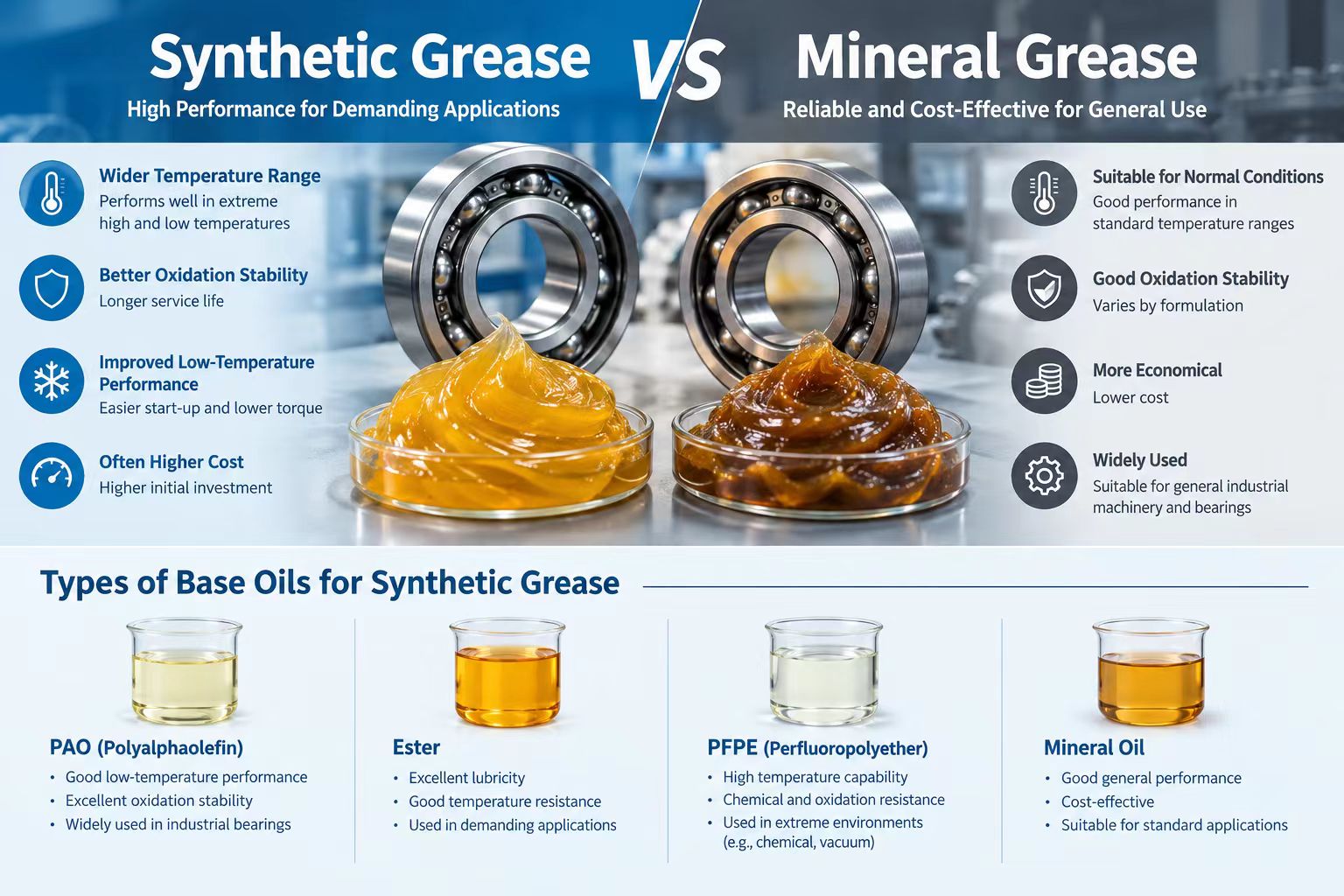
Synthetic hydrocarbon grease: Often suitable for applications requiring improved oxidation stability and a broad operating temperature range.
-
Ester-based grease: May offer useful lubrication properties in selected high-temperature applications, depending on formulation and material compatibility.
-
PFPE grease: Used in specialized environments requiring high thermal and chemical stability, subject to application-specific requirements.
-
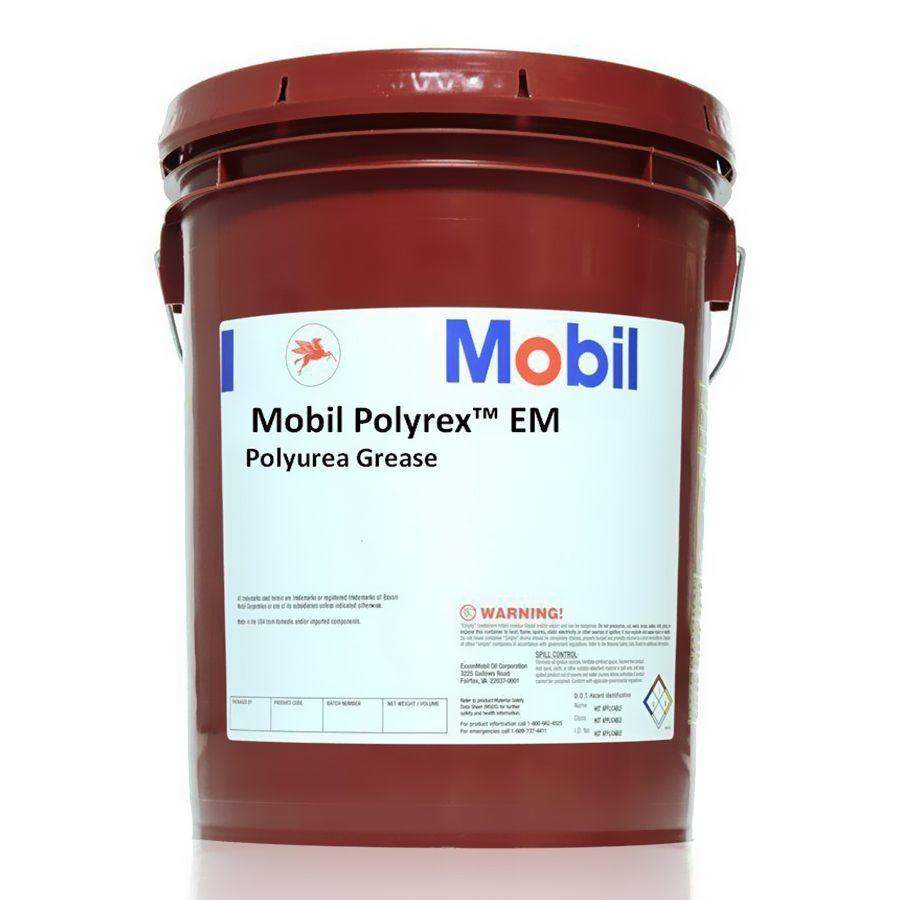
Polyurea or lithium-complex grease: Common options for certain high-temperature bearing applications, but performance varies by product.
4. Mechanical Stability and Oil Separation
A grease must maintain suitable consistency under mechanical stress without excessive oil separation. Poor mechanical stability can affect lubricant distribution and bearing protection.
Evaluate consistency retention, oil separation data, and performance under the actual speed, load, and temperature conditions.
5. How to Choose the Right High Temperature Grease
Before selecting a product, consider:
-
Continuous operating temperature and temperature peaks
-
Bearing speed, load, and relubrication method
-
Required service life and maintenance interval
-
Water exposure, contamination, and material compatibility
-
Manufacturer test data and application recommendations
The key takeaway: Choose high temperature grease based on the complete operating environment—not just its advertised temperature limit. The right formulation can help reduce oxidation, deposits, wear, and unplanned maintenance.
Synthetic Grease vs Mineral Grease: Key Differences
Related Article