Extreme Condition Lubrication for Aerospace Equipment
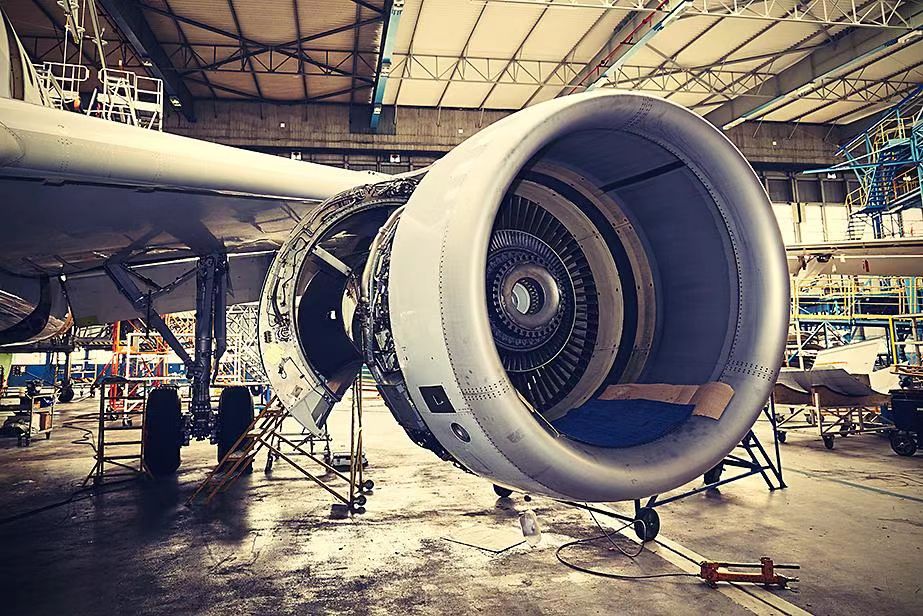
Aerospace equipment operates under some of the most demanding environmental conditions, including extreme temperatures, high vacuum, low and high pressures, vibration, and heavy loads. Selecting the correct extreme condition grease is critical to ensure safety, reliability, and long-term operation.
This article analyzes aerospace equipment lubrication requirements and explains how specialized aircraft lubricants meet the challenges of high-performance aviation machinery.
Why Aerospace Lubrication Is Critical
Aerospace components are highly sensitive and failure can result in catastrophic consequences. Key factors include:
- High and low temperature extremes
- High rotational speeds and heavy loads
- Vibration and shock loads
- Low-pressure or vacuum environments
- Sensitive material compatibility
Proper aerospace equipment lubrication ensures:
- Reduced friction and wear
- Extended service life
- Stable mechanical performance
- Prevention of contamination in critical systems
Extreme Condition Challenges
1. High Temperature
Jet engines, turbine shafts, and landing gear bearings can reach hundreds of degrees Celsius. Grease must provide:
- Thermal stability
- Oxidation resistance
- Minimal viscosity change
2. Low Temperature
At high altitudes, temperatures can drop below -50°C. Lubricants must maintain:
- Pumpability
- Low friction
- Elastic consistency
3. High Load Bearings
Aircraft bearings experience:
- Shock loads during takeoff and landing
- Continuous high-speed rotation
Grease must have:
- Extreme pressure (EP) properties
- Anti-wear protection
- Long service life
4. Vacuum and Low Pressure
Vacuum conditions in spacecraft or high-altitude equipment require:
- Low outgassing lubricants
- Chemical inertness
- Long-term stability
5. Vibration and Shock Resistance
Vibration can cause:
- False brinelling
- Fretting corrosion
Grease must maintain mechanical stability under oscillating movements.
Key Aerospace Lubricant Properties
- High thermal and oxidative stability
- Low vapor pressure for vacuum environments
- Compatibility with metals, plastics, and elastomers
- Extreme pressure performance for heavy loads
- Resistance to water, humidity, and contamination
Typical aircraft lubricants include PFPE greases (e.g., Fomblin), synthetic hydrocarbon greases, and specialized EP formulations.
Common Applications
Turbine Bearings
- High-speed, high-load, and high-temperature bearings
Landing Gear
- Shock load bearings requiring extreme pressure grease
Actuators and Servo Motors
- Low-temperature, precise movement lubrication
Spacecraft Mechanisms
- Vacuum-compatible, low outgassing grease
Best Practices for Aerospace Lubrication
- Follow OEM lubrication specifications strictly
- Use clean tools to avoid contamination
- Regularly inspect and monitor bearing and grease conditions
- Avoid mixing incompatible greases
- Store lubricants in controlled conditions
Common Lubrication Mistakes
- Using standard industrial grease instead of aviation-grade
- Over-lubrication causing leakage and heat buildup
- Ignoring compatibility with plastics or elastomers
- Failing to monitor bearings under extreme operating conditions
Conclusion
Extreme condition lubrication is critical in aerospace applications to ensure safe and reliable operation. Selecting the right extreme condition grease and following precise maintenance practices helps extend service life, reduce wear, and maintain optimal performance of aircraft equipment.
Cleanroom Equipment Lubrication Solutions Guide
Heavy Duty Grease Selection for Mining Equipment
Related Article