Why Does Grease Turn Black?
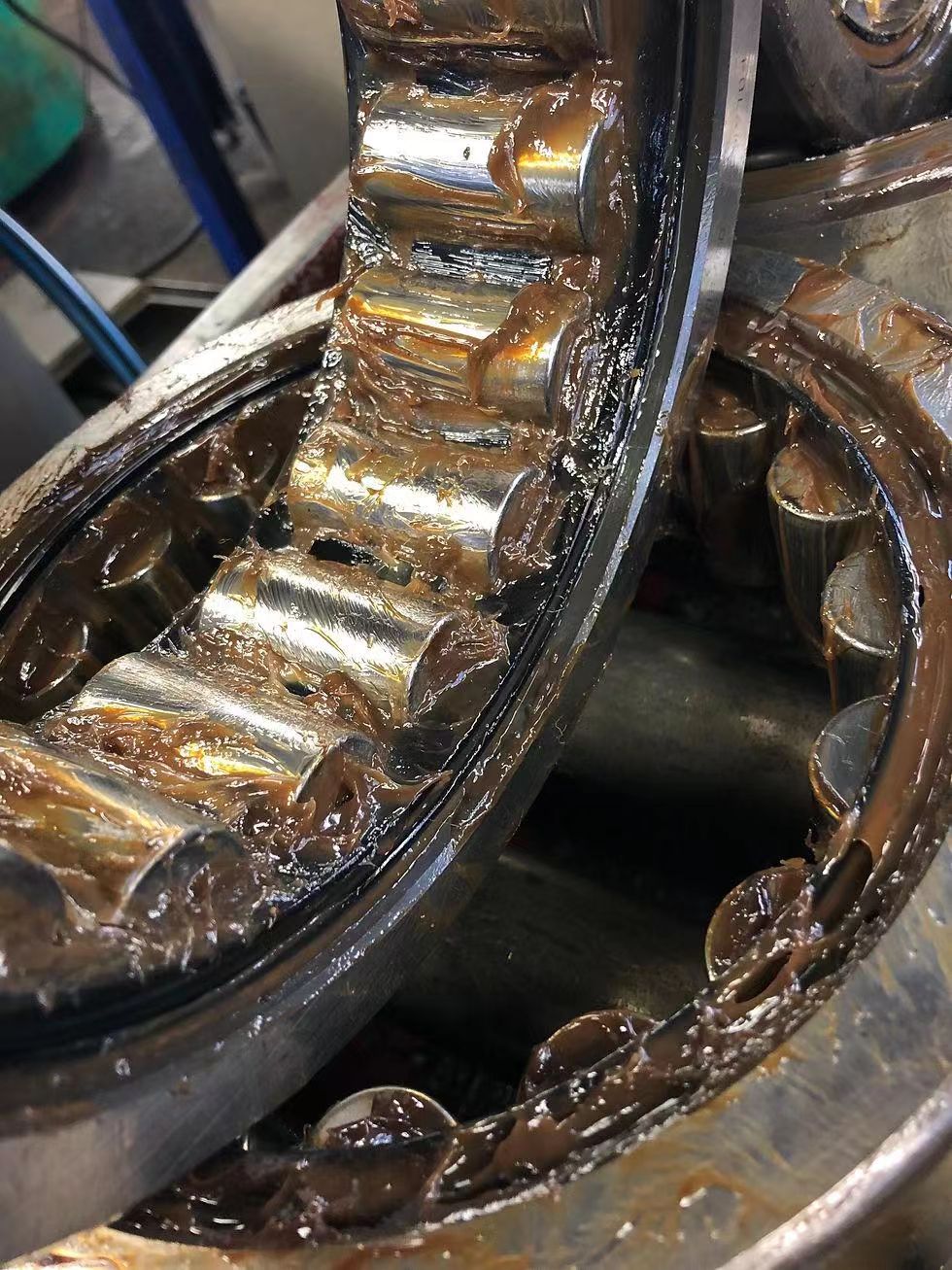
During routine equipment maintenance, technicians may notice that fresh grease has gradually turned dark brown or black after a period of operation. This often raises the question:
Has the grease failed?
The answer is not always. Grease discoloration can result from normal aging, oxidation, contamination, or severe mechanical wear. Identifying the real cause is essential before replacing the grease or bearing.
This article explains the most common reasons why bearing grease turns black, how to diagnose the problem, and what corrective actions should be taken.
Is Black Grease Always a Problem?
Not necessarily.
Some grease naturally becomes darker during service because of:
- Normal oxidation
- High operating temperatures
- Fine wear particles
- Additive reactions
However, if black grease is accompanied by excessive noise, overheating, vibration, or metal debris, further inspection is recommended.
1. High Temperature and Oxidation
One of the most common reasons for grease turning black is oxidation caused by prolonged exposure to elevated temperatures.
As grease oxidizes:
- Base oil degrades.
- Antioxidant additives are consumed.
- Carbon-like oxidation products accumulate.
- The grease gradually darkens.
Typical Applications
- Electric motors
- Steel processing equipment
- Industrial ovens
- High-temperature fans
- Dryers
Recommended Products
For high-temperature applications:
- Klüber PETAMO GHY 133N
- Kyodo Yushi Multemp PS No.2
2. Metal Wear Particles
As bearings operate, microscopic metal particles are generated through normal wear.
These particles gradually mix with the grease, causing it to appear gray or black.
Possible causes include:
- Bearing fatigue
- Inadequate lubrication
- Excessive load
- Misalignment
Warning Signs
If the grease contains visible metallic particles or has a shiny appearance, inspect the bearing immediately.
3. Dust and Dirt Contamination
Industrial environments often expose bearings to:
- Dust
- Sand
- Carbon particles
- Process debris
These contaminants mix with grease and gradually darken its color.
Typical industries include:
- Mining
- Cement
- Steel
- Agriculture
Prevention
- Improve bearing sealing.
- Clean lubrication points before relubrication.
- Use clean grease handling practices.
4. Grease Aging
As grease ages:
- The base oil oxidizes.
- Additives become depleted.
- The thickener structure changes.
Old grease may become:
- Dark
- Dry
- Hardened
Replacing aged grease according to the maintenance schedule helps maintain lubrication performance.
5. Overheating
Bearing overheating accelerates grease degradation.
Possible causes include:
- Over-lubrication
- Incorrect grease selection
- Excessive speed
- Heavy loads
- Bearing damage
Common symptoms include:
- Black grease
- Burnt smell
- Hardened grease
- Increased bearing temperature
6. Mixing Different Greases
Mixing incompatible grease formulations may cause:
- Color changes
- Oil separation
- Thickener instability
- Performance degradation
Before changing grease types:
- Check compatibility.
- Remove old grease when practical.
- Follow the lubricant manufacturer's recommendations.
How to Determine Whether Black Grease Should Be Replaced
Inspect the grease for the following signs:
✔ Burnt odor
✔ Hard or dry texture
✔ Excessive oil separation
✔ Visible metal particles
✔ Water contamination
✔ Increased bearing temperature
✔ Unusual vibration or noise
If one or more of these conditions are present, replacing the grease and inspecting the bearing is recommended.
Recommended Grease by Application
High-Speed Bearings
Recommended:
- Klüber ISOFLEX TOPAS NB 52
- NSK LR3
Benefits:
- Low friction
- Excellent oxidation resistance
- Low noise
Heavy-Load Equipment
Recommended:
- SKF LGEM 2
- Molykote BR2 Plus
Benefits:
- Excellent wear protection
- EP performance
- Mechanical stability
High-Temperature Applications
Recommended:
- Klüber PETAMO GHY 133N
- Kyodo Yushi Multemp PS No.2
Benefits:
- High oxidation resistance
- Long service life
Wet and Corrosive Environments
Recommended:
- SKF LGWM 2
- OKS 422
Benefits:
- Water resistance
- Corrosion protection
Best Practices
- Monitor bearing operating temperature regularly.
- Inspect grease condition during maintenance.
- Replace aged or contaminated grease on schedule.
- Avoid mixing incompatible greases.
- Keep lubrication tools and grease containers clean.
- Select grease according to speed, load, and temperature.
Frequently Asked Questions
Does black grease always mean the bearing is damaged?
No. Grease may darken because of normal oxidation or fine wear particles. However, if black grease is accompanied by overheating, excessive vibration, noise, or visible metal debris, the bearing should be inspected.
Can black grease continue to be used?
If the grease has only changed color and still maintains its consistency and lubricating performance, replacement may not be immediately necessary. If it has hardened, developed a burnt odor, separated excessively, or contains significant contaminants, it should be replaced.
How can grease from turning black too quickly be prevented?
Use grease suitable for the operating conditions, avoid excessive temperatures, prevent contamination, follow recommended relubrication intervals, and monitor bearing condition regularly.
Conclusion
Grease turning black is not always an indication of lubricant failure, but it should never be ignored. By identifying whether the discoloration is caused by oxidation, contamination, overheating, or wear particles, maintenance personnel can take appropriate corrective actions before serious bearing damage occurs.
Selecting the right grease and following proper lubrication practices will help improve equipment reliability, extend bearing life, and reduce unplanned downtime.
Water Washout Effects on Bearing Lubrication and Solutions
Electric Motor Grease Noise: Causes and Solutions
Related Article