Why Cheap Grease Can Cost More in the Long Run
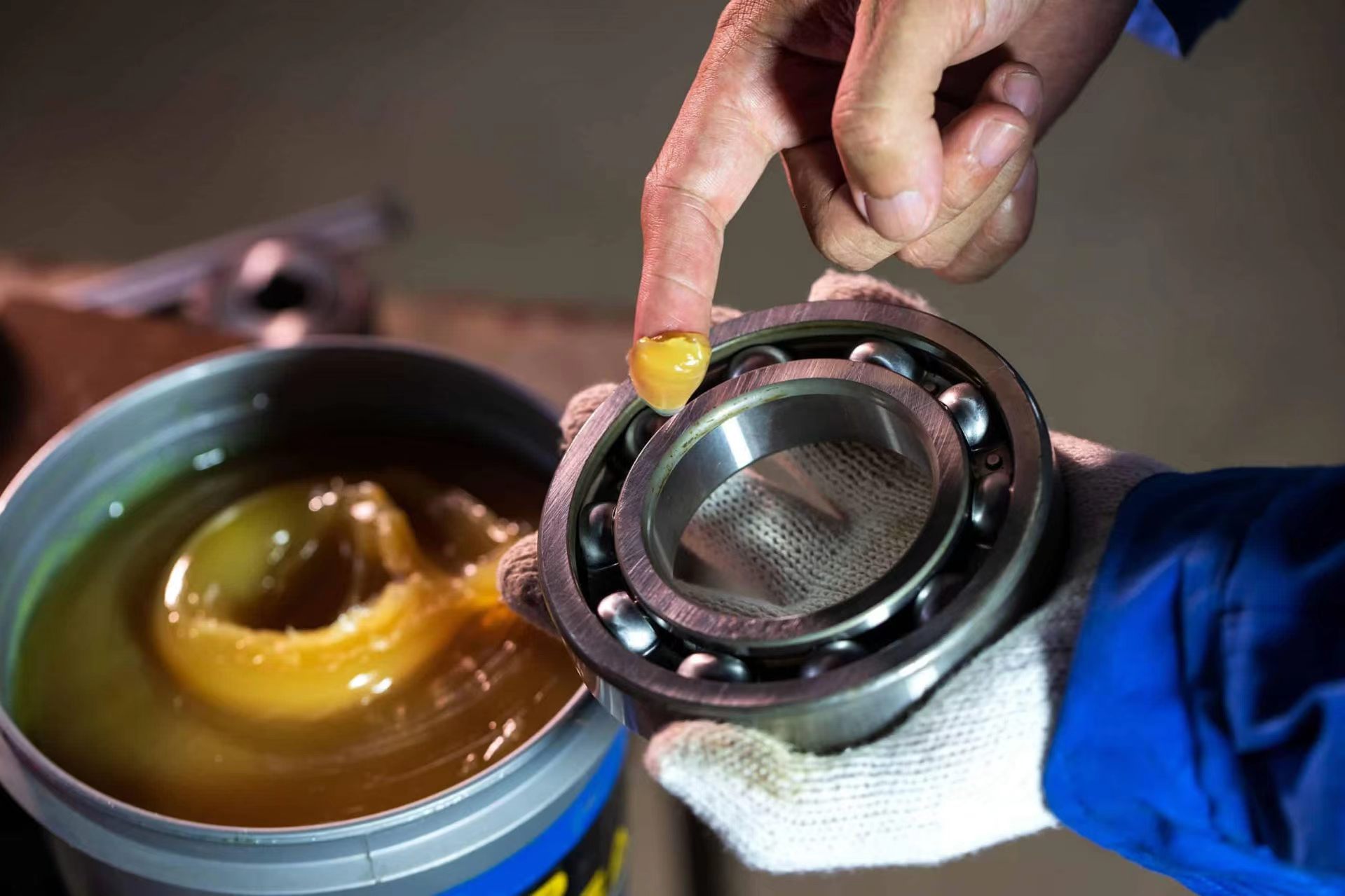
The cheapest grease is not always the cheapest solution.
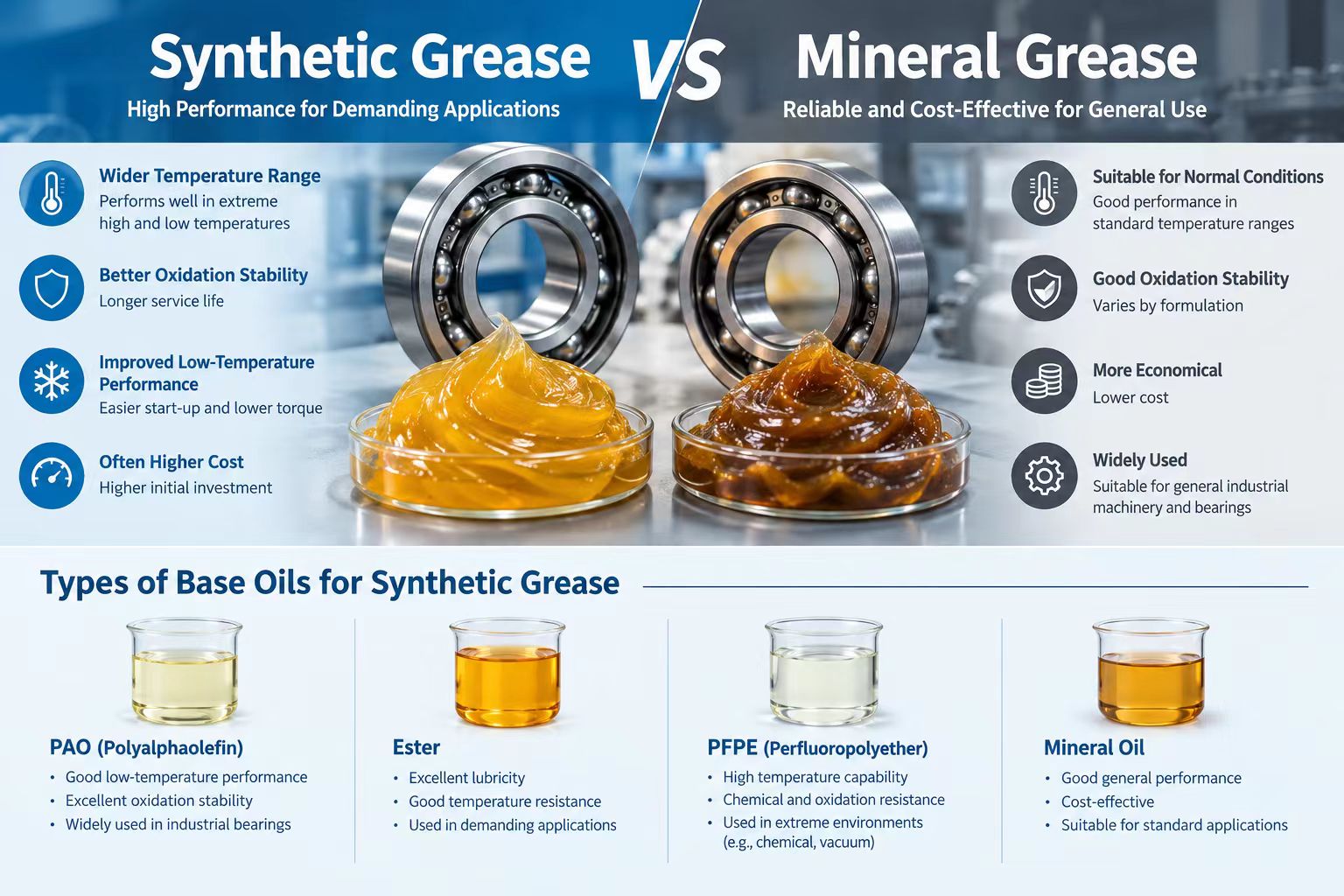
For industrial equipment, the purchase price of grease is only one part of the total lubrication cost. If a low-cost lubricant has inadequate performance for the application, it may require more frequent relubrication, increase wear, or contribute to unexpected equipment downtime.
This is why selecting industrial grease based only on price can sometimes result in higher long-term lubrication costs.
1. Lower Price Does Not Always Mean Lower Cost
Suppose two greases have very different prices.
The cheaper product may initially look more attractive, but the real cost can also include:
- More frequent relubrication
- Higher lubricant consumption
- Additional labor
- Bearing replacement
- Equipment downtime
- Emergency maintenance
The correct comparison is therefore total cost of ownership, rather than grease price alone.
2. Shorter Grease Life Can Increase Maintenance Costs
If a grease degrades quickly under the actual operating conditions, maintenance teams may need to replenish it more frequently.
This can increase:
Grease consumption + Labor + Maintenance frequency
For equipment running continuously, these additional costs can quickly exceed the initial price difference between lubricants.
3. Poor Lubrication Can Accelerate Bearing Wear
The primary purpose of grease is to maintain effective lubrication and protect contacting surfaces.
If the lubricant cannot provide adequate performance under the actual:
- Load
- Speed
- Temperature
- Environment
the equipment may experience increased friction and wear.
A relatively inexpensive grease can therefore become expensive if it contributes to premature bearing replacement.
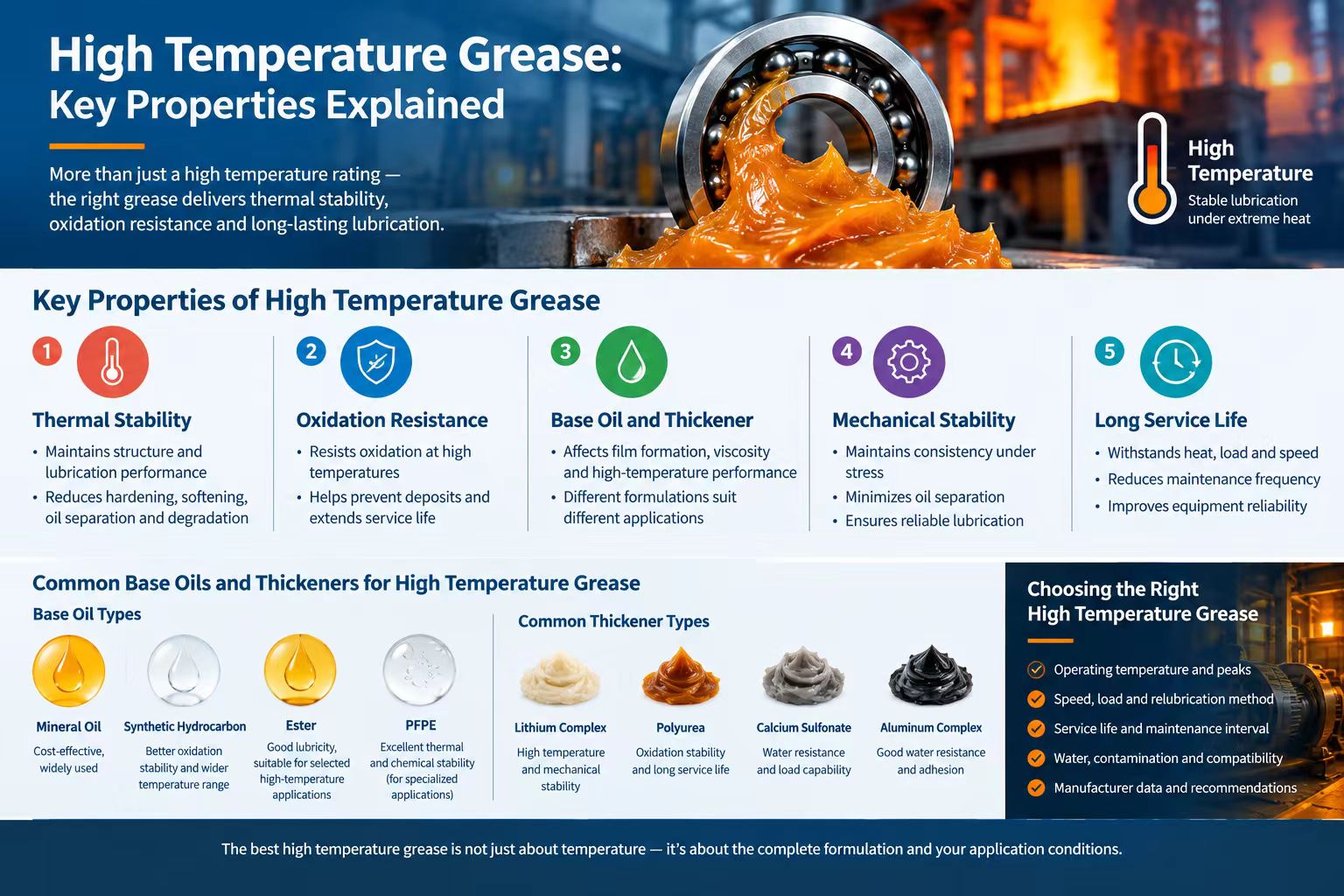
4. High-Temperature Applications Require the Right Grease
A general-purpose grease may not be suitable for continuous high-temperature operation.
High temperatures can accelerate:
- Oxidation
- Oil evaporation
- Grease degradation
- Lubricant consumption
For demanding applications, products such as Klüber PETAMO GHY 133N, SKF LGHP 2, or suitable Kyodo Yushi high-temperature greases may be considered according to the equipment specifications.
The important point is not simply choosing a more expensive grease, but choosing a grease that matches the actual operating conditions.
5. High-Speed Equipment Needs Special Consideration
High-speed bearings can be sensitive to grease viscosity, friction and churning.
Using an unsuitable grease may lead to:
- Increased starting torque
- Higher operating temperature
- Increased noise
- Reduced bearing life
For precision and high-speed applications, products such as Klüber ISOFLEX TOPAS NB 52 may be considered when their technical specifications match the application.
6. The Real Cost Is Equipment Downtime
For many factories, the largest lubrication-related cost is not the grease itself.
It is unplanned downtime.
A small amount saved on lubricant can become insignificant compared with:
- Production losses
- Maintenance labor
- Spare parts
- Emergency repairs
- Delivery delays
This is particularly important for critical production equipment operating 24/7.
How to Evaluate Grease Cost Correctly
Instead of comparing only:
Price per kilogram
consider:
Total Lubrication Cost = Grease Consumption + Labor + Maintenance + Downtime + Equipment Replacement
A grease with a higher purchase price may provide a lower overall cost if it delivers longer service life and better protection under the correct operating conditions.
Recommended Grease Selection Approach
When comparing different lubricants, evaluate:
| Factor | Why It Matters |
|---|---|
| Grease price | Initial purchasing cost |
| Service life | Determines relubrication frequency |
| Temperature capability | Important for high-temperature applications |
| Speed capability | Critical for high-speed bearings |
| Load capacity | Important for heavy-duty equipment |
| Water resistance | Important in wet environments |
| Mechanical stability | Affects grease retention |
| Compatibility | Prevents problems with seals and existing grease |
Frequently Asked Questions
Is expensive grease always better?
No. Price alone does not determine performance. The correct grease is the one that meets the requirements of the specific application.
Can cheap grease be suitable for industrial equipment?
Yes. A lower-priced grease can be suitable when its technical specifications meet the equipment's operating requirements.
Should I replace all low-cost grease with premium grease?
Not necessarily. First identify the actual lubrication problem and compare technical specifications, service life and total maintenance cost.
How can I reduce lubrication costs?
Focus on:
- Correct grease selection
- Correct filling quantity
- Appropriate relubrication intervals
- Contamination control
- Condition monitoring
Conclusion
Low purchase price does not necessarily mean low lubrication cost.
For industrial equipment, the real value of grease should be evaluated through service life, lubrication performance, maintenance frequency, equipment reliability and downtime risk.
The best strategy is not simply to buy the cheapest or most expensive grease, but to select the right industrial grease for the actual application.
A slightly higher lubricant cost can be justified when it helps reduce grease consumption, maintenance work and unexpected equipment failure.
CNC Lubrication Troubleshooting: Common Problems and Solutions
Grease and Seal Compatibility: A Practical Guide
Related Article