Water Washout Effects on Bearing Lubrication and Solutions
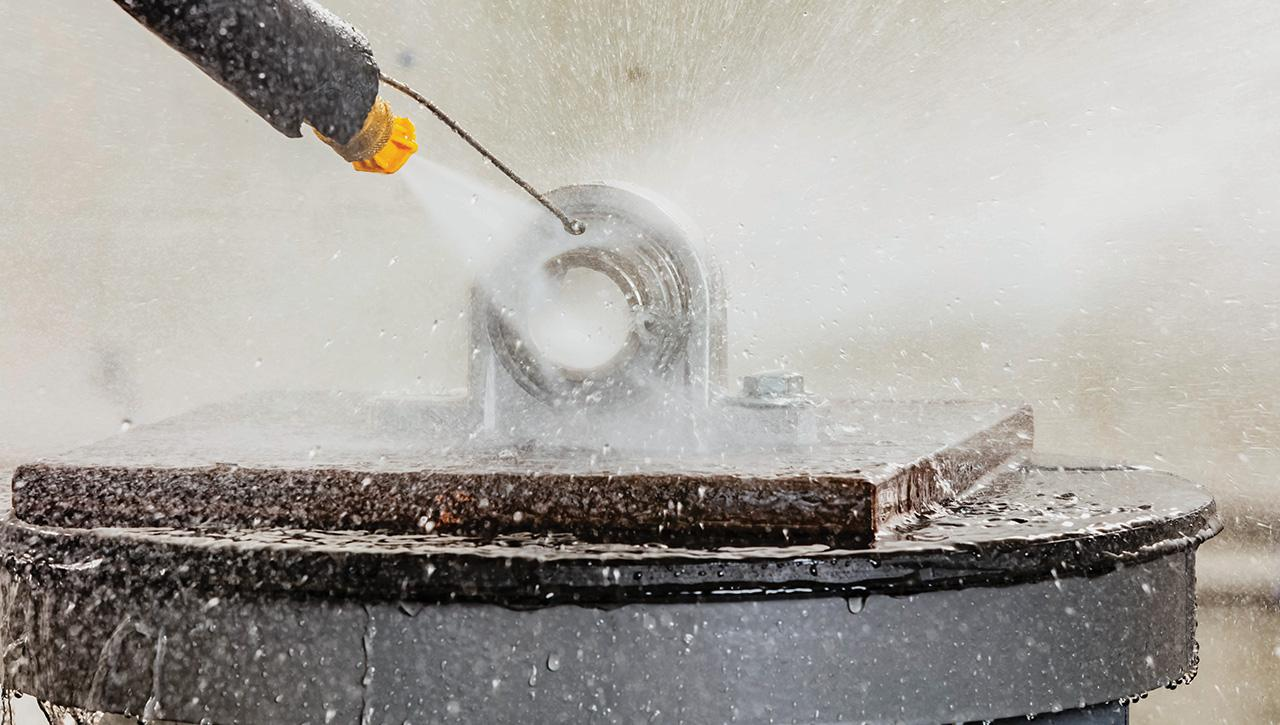
Water contamination is one of the most common challenges affecting bearing lubrication performance. In industries such as steel manufacturing, paper production, marine equipment, food processing, and outdoor machinery, bearings are frequently exposed to water spray, humidity, cleaning processes, and direct water contact.
When water enters a bearing lubrication system, it can reduce grease adhesion, wash away lubricant, accelerate corrosion, and significantly shorten bearing service life.
Understanding water washout effects on bearing grease and selecting the correct water resistant grease are essential for reliable equipment operation.
What Is Grease Water Washout?
Grease water washout refers to the removal or displacement of grease from a bearing or lubrication area due to water exposure.
Water can enter equipment through:
- Direct water spray
- High-pressure cleaning
- Rain exposure
- Condensation
- Humid operating environments
When grease cannot maintain adhesion, the lubricant film becomes insufficient and bearing protection decreases.
1. Loss of Lubricating Film
The primary effect of water washout is the reduction of grease coverage on bearing surfaces.
Consequences include:
- Increased friction
- Metal-to-metal contact
- Higher operating temperature
- Accelerated wear
In severe cases, insufficient lubrication can lead to premature bearing failure.
2. Bearing Corrosion
Water promotes corrosion, especially when combined with:
- Oxygen
- Metal particles
- Industrial chemicals
Corrosion can damage:
- Bearing raceways
- Rolling elements
- Lubrication surfaces
Rust particles may further accelerate abrasive wear.
3. Grease Structure Damage
Water may affect grease consistency by changing the relationship between:
- Base oil
- Thickener
- Additives
Possible results:
- Grease softening
- Oil separation
- Reduced adhesion
- Lubrication failure
4. Reduced Grease Service Life
Water contamination accelerates:
- Oxidation
- Additive depletion
- Grease degradation
Equipment may require more frequent relubrication, increasing maintenance costs.
Common Applications Affected by Water Washout
Steel Industry
Examples:
- Rolling mills
- Continuous casting equipment
- Cooling systems
Challenges:
- High-pressure water spray
- High temperature
- Heavy loads
Recommended:
- SKF LGWM 2
- SKF LGEP 2
Paper Industry
Challenges:
- Continuous moisture exposure
- High operating hours
- Corrosive environments
Recommended:
- Klüber STABURAGS NBU 12
Marine and Outdoor Equipment
Challenges:
- Salt water
- Humidity
- Rain exposure
Recommended:
- Molykote G-4700
Food Processing Equipment
Challenges:
- Frequent cleaning
- Water spray
- Hygiene requirements
Recommended:
- NSF H1 food-grade grease:
- Klüber Klüberfood NH1 94-301
How to Select Grease for Wet Environments
A suitable water resistant grease should have:
1. Excellent Water Resistance
The grease should maintain consistency and adhesion when exposed to water.
2. Strong Adhesion
Good adhesive properties help prevent grease from being washed away.
3. Corrosion Protection
The grease should protect metal surfaces against rust and corrosion.
4. Mechanical Stability
The grease should maintain its structure under:
- Vibration
- Heavy loads
- Continuous operation
Solutions to Reduce Water Washout Problems
1. Select Proper Water-Resistant Grease
Avoid using standard general-purpose grease in wet environments.
Choose grease based on:
- Water exposure level
- Temperature
- Load
- Speed
2. Improve Sealing Protection
Effective sealing reduces:
- Water ingress
- Contamination
- Grease loss
Inspect seals regularly for damage.
3. Avoid High-Pressure Water Directly on Bearings
During equipment cleaning:
- Avoid directing water jets toward bearings.
- Protect lubrication points.
- Check seals after cleaning.
4. Increase Inspection Frequency
For wet operating conditions, regularly monitor:
- Grease condition
- Bearing temperature
- Vibration
- Corrosion signs
Recommended Water Resistant Grease Selection Guide
| Application | Recommended Grease | Main Advantages |
|---|---|---|
| Steel mill equipment | SKF LGWM 2 | Excellent water resistance and EP performance |
| Heavy-load wet conditions | SKF LGEP 2 | Load protection and corrosion resistance |
| Paper machinery | Klüber STABURAGS NBU 12 | Water resistance and mechanical stability |
| Marine equipment | Molykote G-4700 | Adhesion and corrosion protection |
| Food equipment | Klüberfood NH1 series | NSF H1 food-grade lubrication |
Frequently Asked Questions
Does all grease resist water?
No. Different grease formulations have different levels of water resistance. Lithium complex, calcium sulfonate complex, and specially formulated greases generally provide better water resistance than standard greases.
Can water-contaminated grease continue to be used?
Generally not recommended. Water contamination may reduce lubrication performance and accelerate bearing damage. Contaminated grease should be removed and replaced.
How can I know if water has entered the bearing?
Common signs include:
- Milky grease appearance
- Rust formation
- Increased noise
- Higher vibration
- Temperature increase
Conclusion
Water washout is a major cause of bearing lubrication failure in wet industrial environments. Selecting a suitable water resistant grease, improving sealing protection, and maintaining proper lubrication practices can effectively reduce corrosion, wear, and unexpected equipment downtime.
For applications exposed to water, the correct grease selection is not only about lubrication performance but also about maintaining long-term equipment reliability.
Grease Starvation in Bearings: Causes, Effects and Solutions
Why Does Grease Turn Black?
Related Article