Lubrication and Cleaning Maintenance of Transmission Chains in Automated Production Lines
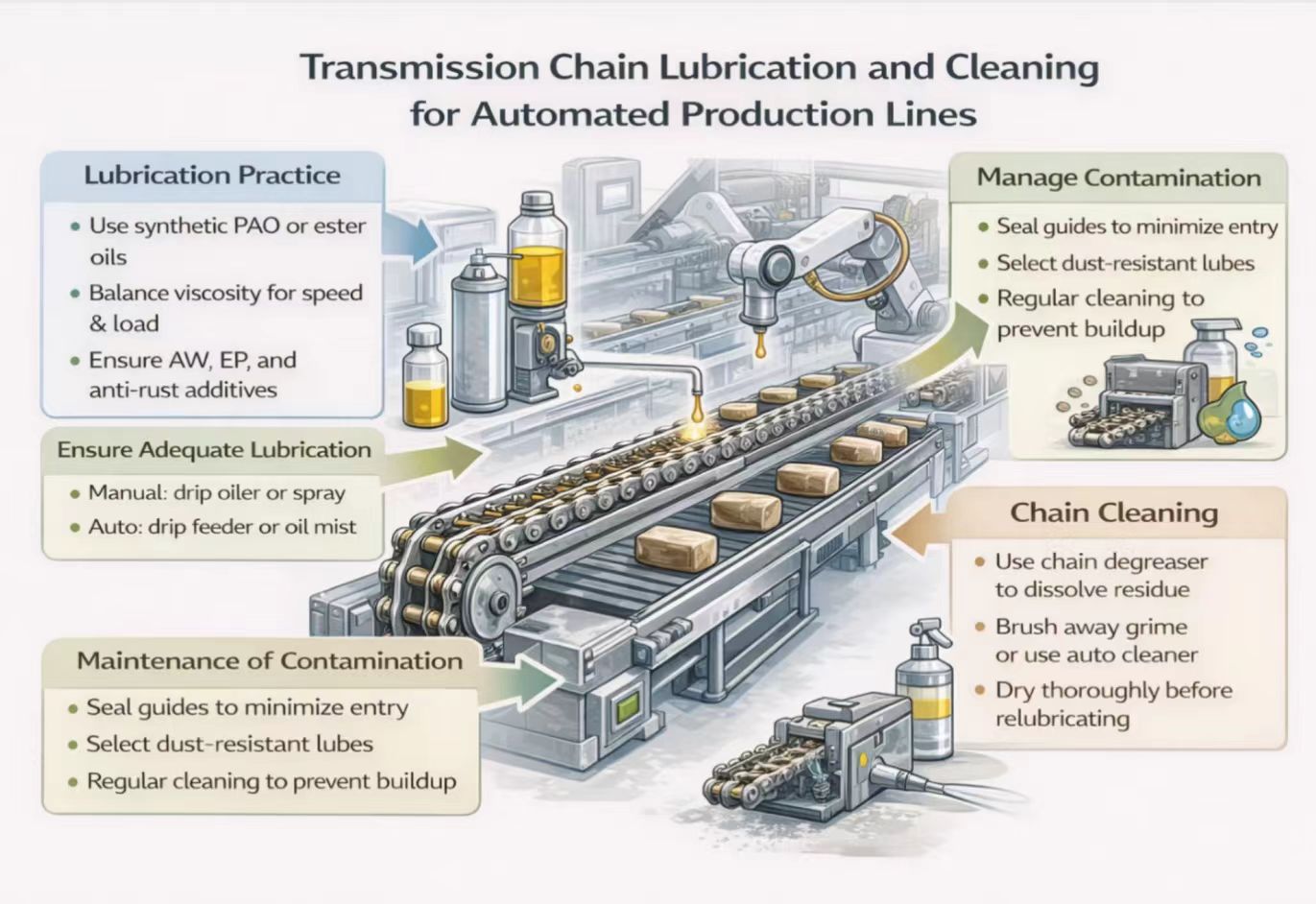
Transmission chains are widely used in automated production lines for material handling, conveying, and synchronized motion control. Proper lubrication and regular cleaning are essential to ensure stable operation, extend service life, and minimize unplanned downtime. In high-duty-cycle environments, neglecting chain lubrication and contamination control often leads to accelerated wear, elongation, noise, and energy losses.
Importance of Proper Chain Lubrication
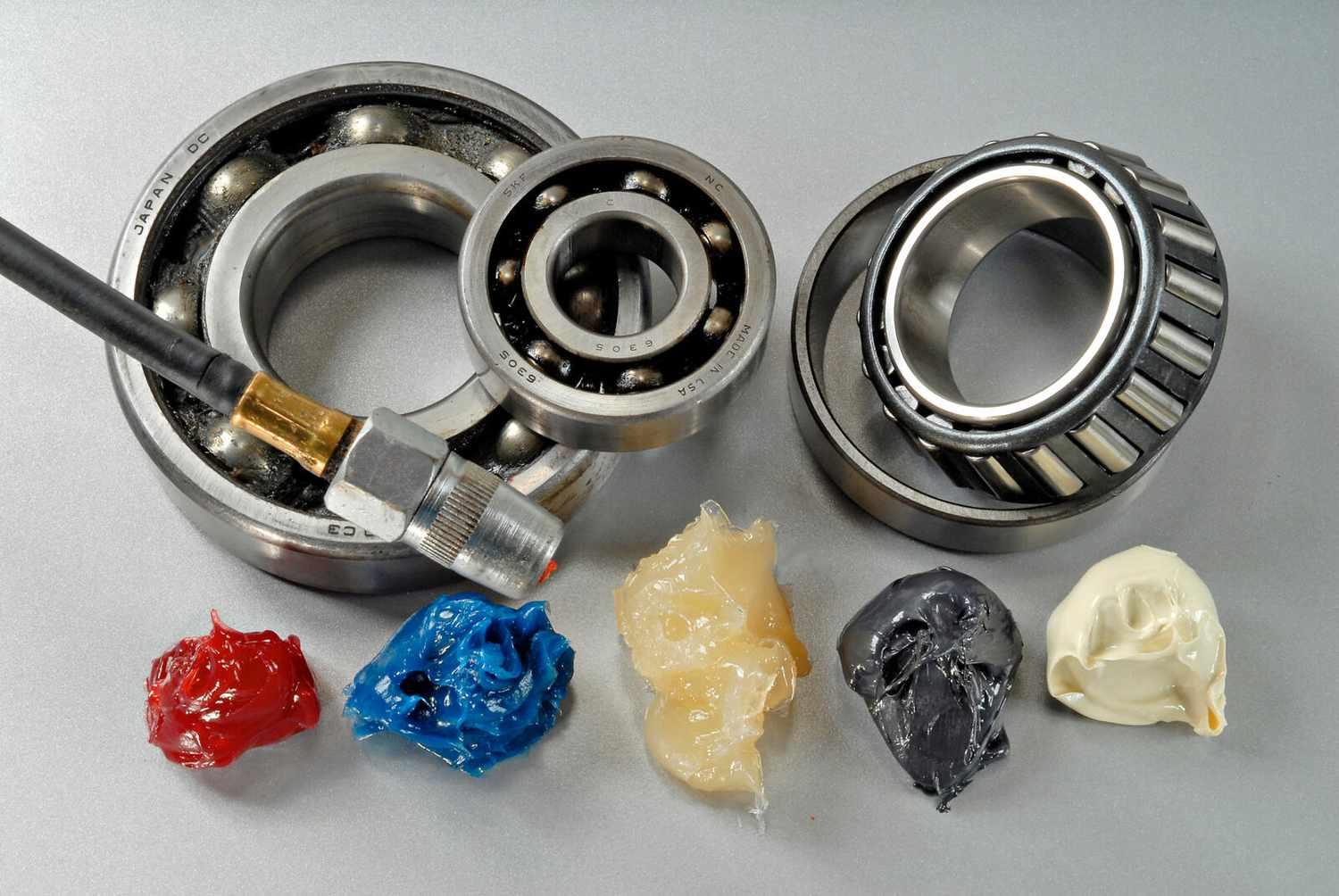
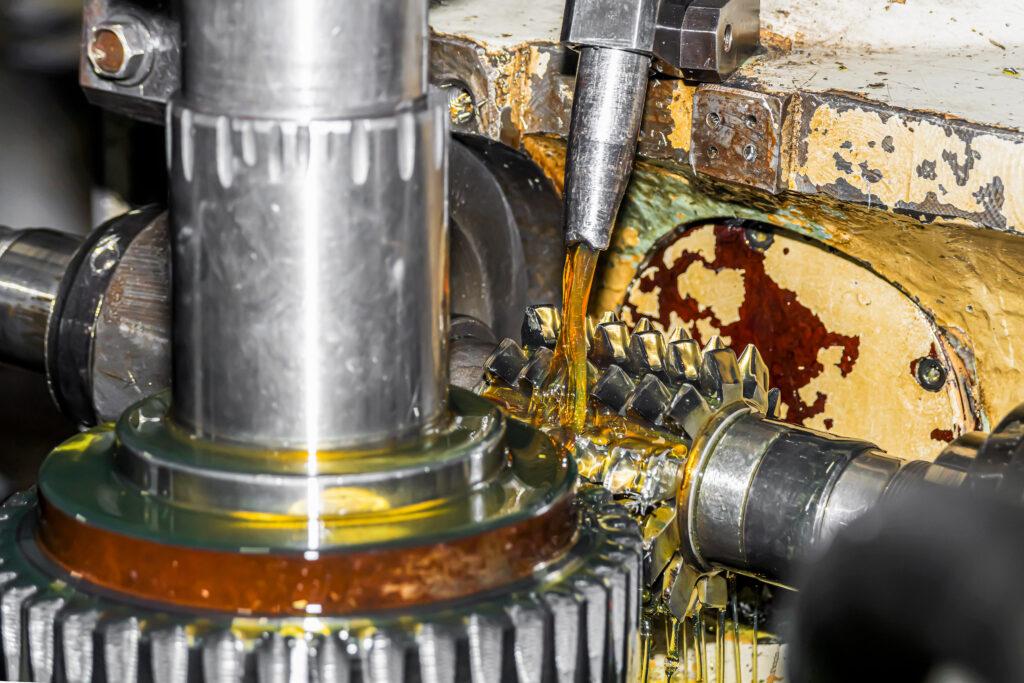
Effective lubrication reduces friction between pins, bushings, and rollers, which are the primary wear interfaces in a transmission chain. Selecting the correct lubricant helps form a stable lubricating film that supports load transmission while preventing metal-to-metal contact. In automated lines operating at medium to high speeds, lubricants with good penetration, oxidation stability, and anti-wear performance are particularly important.
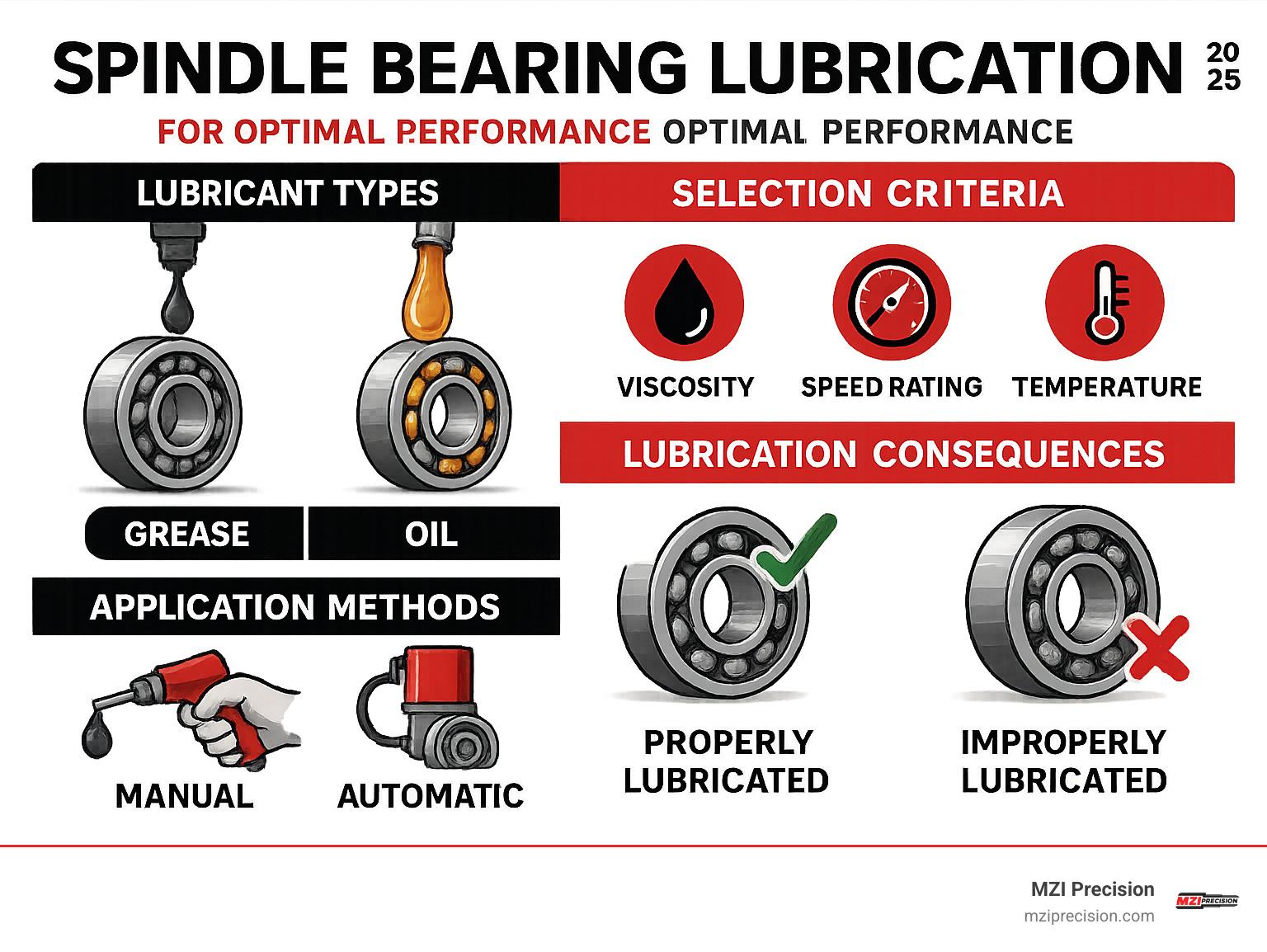
Synthetic lubricants based on PAO or ester oils are commonly preferred due to their thermal stability, low evaporation loss, and longer relubrication intervals. Additive systems with anti-wear (AW), extreme-pressure (EP), and corrosion protection further enhance chain reliability under fluctuating loads.
Lubrication Methods for Automated Chains
Different lubrication methods can be applied depending on chain speed, operating environment, and maintenance strategy. Manual lubrication using spray or drip oilers is suitable for low-speed or intermittently operated lines. For continuous production, automatic lubrication systems such as oil mist or drip-feed units provide consistent oil supply and reduce maintenance labor.
Regardless of the method, lubrication should be applied to the chain’s internal joints rather than the external surfaces, ensuring effective penetration into the load-bearing areas.
Contamination Control and Cleaning Practices
Contaminants such as dust, fibers, packaging debris, and dried lubricant residues significantly accelerate chain wear. In automated production environments, especially in electronics, packaging, and food-related processes, contamination control is a critical maintenance factor.
Regular chain cleaning removes hardened deposits and abrasive particles that interfere with lubrication. Dedicated chain cleaners or mild degreasers can be used, followed by thorough drying before re-lubrication. Proper sealing, guide covers, and the use of dust-resistant lubricants help minimize contamination ingress.
Maintenance Benefits and Operational Impact
A structured lubrication and cleaning program improves chain efficiency, reduces power consumption, and stabilizes motion accuracy across the production line. By maintaining clean, well-lubricated chains, manufacturers can extend maintenance intervals, reduce spare part consumption, and improve overall equipment effectiveness (OEE).
Impact of Ball Screw and Guideway Lubrication on CNC Machining Accuracy
Lubrication Improvement Strategies for Wear Issues in Injection Molding Machine Guide Pillars and Slides
Related Article