Top 5 Causes of Grease Leakage and Oil Separation
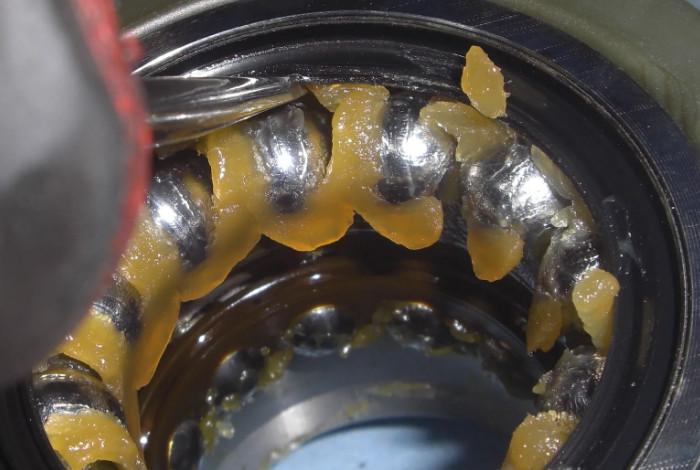
Grease leakage, also known as grease oil separation or grease bleeding, is one of the most common lubrication issues in bearings, motors, gearboxes, and industrial machinery. While a slight amount of oil separation is normal for many greases, excessive leakage can reduce lubrication performance and shorten component life.
This guide explains the five most common causes of grease leakage and provides practical solutions for improving lubrication reliability.
1. Excessive Operating Temperature
High temperatures accelerate the evaporation and oxidation of the base oil.
Common sources include:
- Electric motors
- High-speed bearings
- Industrial fans
- Dryers
- Steel processing equipment
Symptoms:
- Oil leaking from bearing seals
- Dry grease remaining inside the bearing
- Increased operating temperature
- Bearing noise
Recommended Grease
For high-temperature applications, consider:
- Klüber PETAMO GHY 133N
- NSK AS2
- Kyodo Yushi Multemp PS No.2
2. Incorrect Grease Selection
Not all greases are suitable for every operating condition.
For example:
- Low-speed grease used in high-speed bearings
- General-purpose grease used under heavy loads
- Poor water resistance in wet environments
These conditions may lead to excessive oil separation.
Recommended Solutions
Select grease based on:
- Operating speed
- Load
- Temperature
- Moisture exposure
3. Over-Greasing
Adding too much grease is one of the most common maintenance mistakes.
Excess grease creates internal pressure, forcing oil to escape through bearing seals.
Typical signs include:
- Grease leaking around seals
- Elevated bearing temperature
- Increased power consumption
Best Practice
Follow the equipment manufacturer's recommended grease quantity and relubrication interval.
4. Mixing Incompatible Greases
Different grease formulations use different:
- Base oils
- Thickeners
- Additive packages
Mixing incompatible greases may result in:
- Oil separation
- Grease softening
- Grease hardening
- Reduced lubrication performance
Recommended Practice
Before changing grease types:
- Remove old grease completely
- Verify grease compatibility
- Avoid mixing different thickener technologies
5. Bearing Wear or Seal Damage
Sometimes the grease is not the problem.
Worn bearings or damaged seals allow grease to escape.
Common causes include:
- Bearing wear
- Improper installation
- Damaged seals
- Shaft misalignment
Inspection should include:
- Seal condition
- Bearing clearance
- Shaft alignment
- Vibration analysis
How to Prevent Grease Leakage
Follow these best practices:
- Select grease according to operating conditions.
- Avoid excessive grease filling.
- Replace worn seals promptly.
- Keep lubrication points clean.
- Use compatible lubricants only.
- Monitor bearing temperature and vibration regularly.
Recommended Grease for Different Applications
| Application | Recommended Products | Why |
|---|---|---|
| High-speed electric motors | NSK LR3 / Klüber ISOFLEX TOPAS NB 52 | Low torque, low oil separation |
| Heavy-load bearings | Molykote BR2 Plus / SKF LGEM 2 | Excellent EP performance |
| High-temperature equipment | Klüber PETAMO GHY 133N | High oxidation stability |
| Wet and corrosive environments | SKF LGWM 2 / OKS 422 | Excellent water resistance |
| Food processing equipment | Klübersynth UH1 14-222 | NSF H1 food-grade lubricant |
Note: Product selection should always consider the equipment manufacturer's specifications, operating temperature, speed, load, and environmental conditions.
Frequently Asked Questions
Is grease oil separation always a problem?
No. A small amount of oil separation is normal for many lubricating greases and helps form the lubricating film. Excessive oil leakage, however, may indicate unsuitable grease, overheating, over-greasing, contamination, or mechanical issues.
Can adding more grease stop leakage?
Usually not. Over-greasing often increases internal pressure and can worsen leakage. The correct grease quantity is just as important as the grease type.
Should different grease brands be mixed?
Mixing greases is generally not recommended unless compatibility has been verified, as different thickener systems and additive packages can affect performance.
Why Bearings Fail Even With Proper Lubrication
Bearing Grease Hardening Causes and Solutions
Related Article