Low-Temperature Grease Application Guide for Precision Machinery
1. Introduction
Precision machinery used in automated production lines, SMT equipment, and industrial systems often operates in low-temperature environments. These conditions may be caused by cold climates, climate-controlled cleanrooms, or equipment startup after long idle periods. Under such conditions, selecting suitable lubricants is critical for reliable operation.
Effective low temperature grease application ensures smooth motion, stable positioning accuracy, and long-term reliability of precision components.
2. Challenges of Low-Temperature Operation
At low temperatures, conventional greases may become stiff or lose flowability. This can lead to increased starting torque, delayed response, and uneven motion. Common challenges include:
-
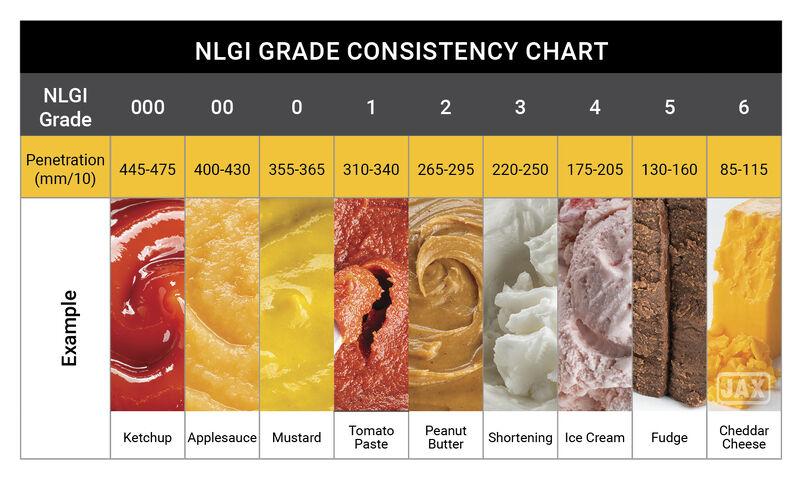
Increased grease consistency and poor pumpability
-
Insufficient oil release at startup
-
Elevated friction and energy consumption
-
Risk of micro-slip and surface wear
These issues directly affect precision machinery lubrication performance.
3. Key Requirements for Low-Temperature Greases
3.1 Low Starting Torque Performance
Precision equipment such as linear guides and bearings requires smooth startup even at sub-zero temperatures. Greases designed for low temperature grease application maintain softness and mobility, reducing startup resistance.
3.2 Base Oil Viscosity and Pour Point
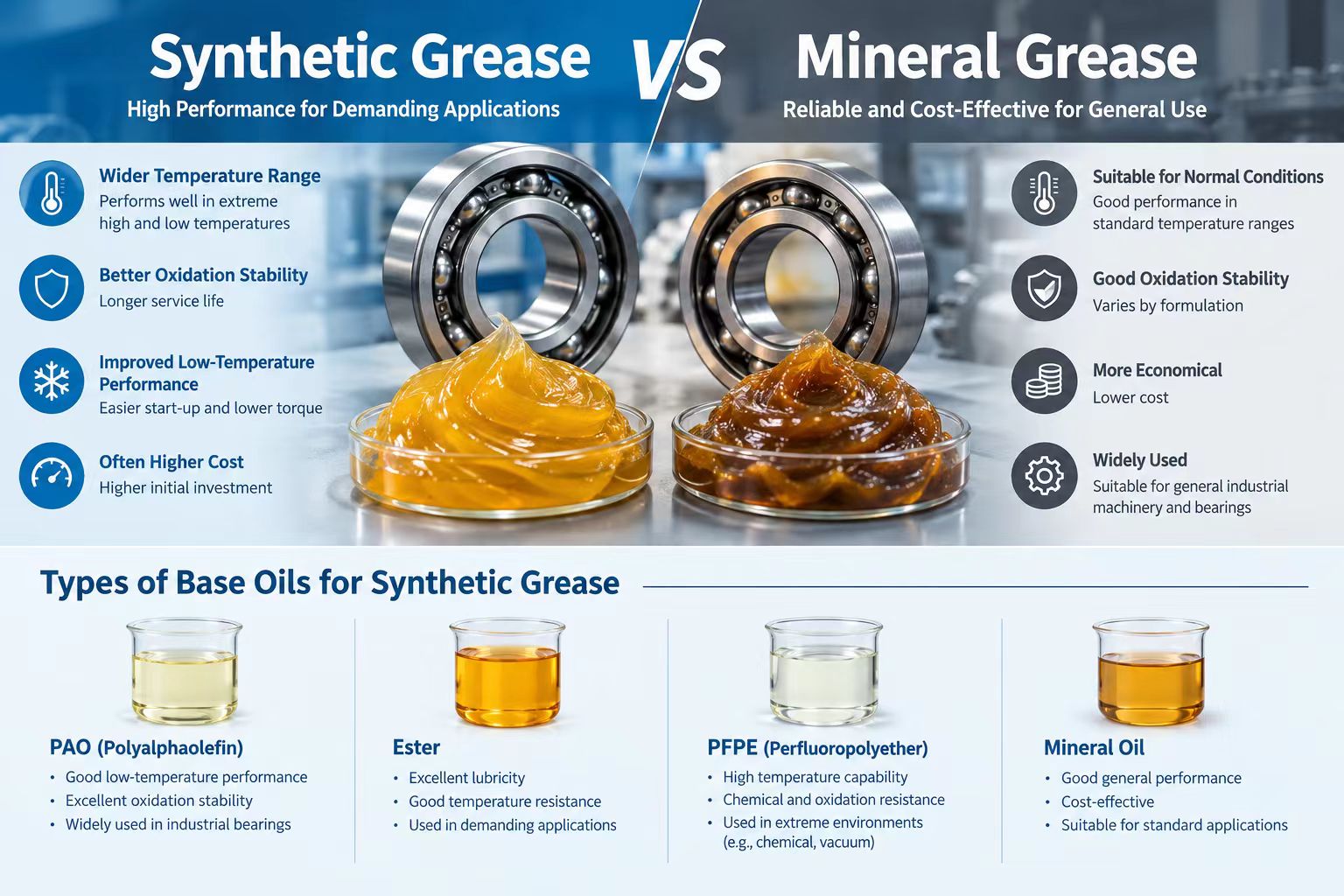
Low-temperature greases typically use synthetic base oils with low pour points. This allows the grease to maintain oil film formation and stable lubrication in cold environments, supporting consistent precision machinery lubrication.
3.3 Mechanical Stability
Repeated motion in precision equipment demands grease with good mechanical stability. Poor stability can cause grease separation or hardening, reducing lubrication effectiveness and shortening component life.
3.4 Compatibility with Materials
Precision machinery often includes plastic components, seals, and coatings. Low-temperature greases should be compatible with these materials to avoid swelling, embrittlement, or chemical degradation.
4. Typical Application Areas
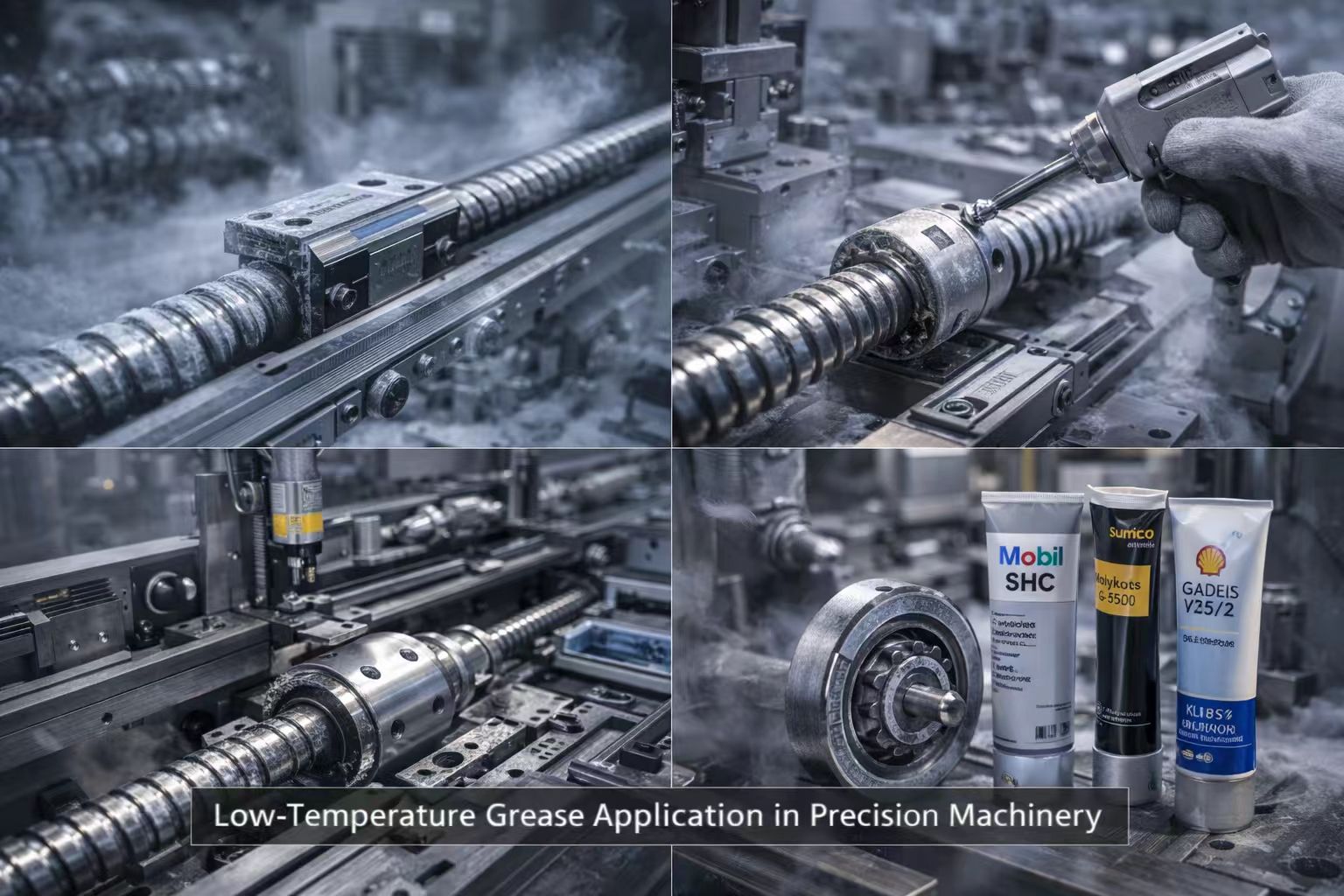
Low-temperature greases are commonly applied to:
-
Linear guides and miniature rails
-
Ball screws and lead screws
-
Precision bearings
-
Actuators and servo-driven components
In these applications, proper grease selection for cold environments helps maintain accuracy and repeatability.
5. Maintenance and Relubrication Considerations
Even with suitable grease, maintenance practices remain important. Recommended actions include:
-
Relubricating during warm conditions when possible
-
Avoiding over-lubrication to reduce drag
-
Monitoring startup torque and abnormal noise
-
Adjusting relubrication intervals based on actual operating temperature
These practices help maximize the benefits of low temperature grease application.
6. Conclusion
Low-temperature environments present unique lubrication challenges for precision machinery. Selecting greases with appropriate base oil viscosity, low-temperature flowability, and material compatibility is essential. A targeted approach to precision machinery lubrication and grease selection for cold environments improves equipment reliability, reduces wear, and ensures consistent performance across temperature variations.
Lubrication Management Practices for High-Load Gear Reducers
The Impact of Grease Selection on Equipment Lifespan in Automated Production Lines
Related Article