Surface Wear of Injection Molding Slides and Lubrication Optimization Strategies
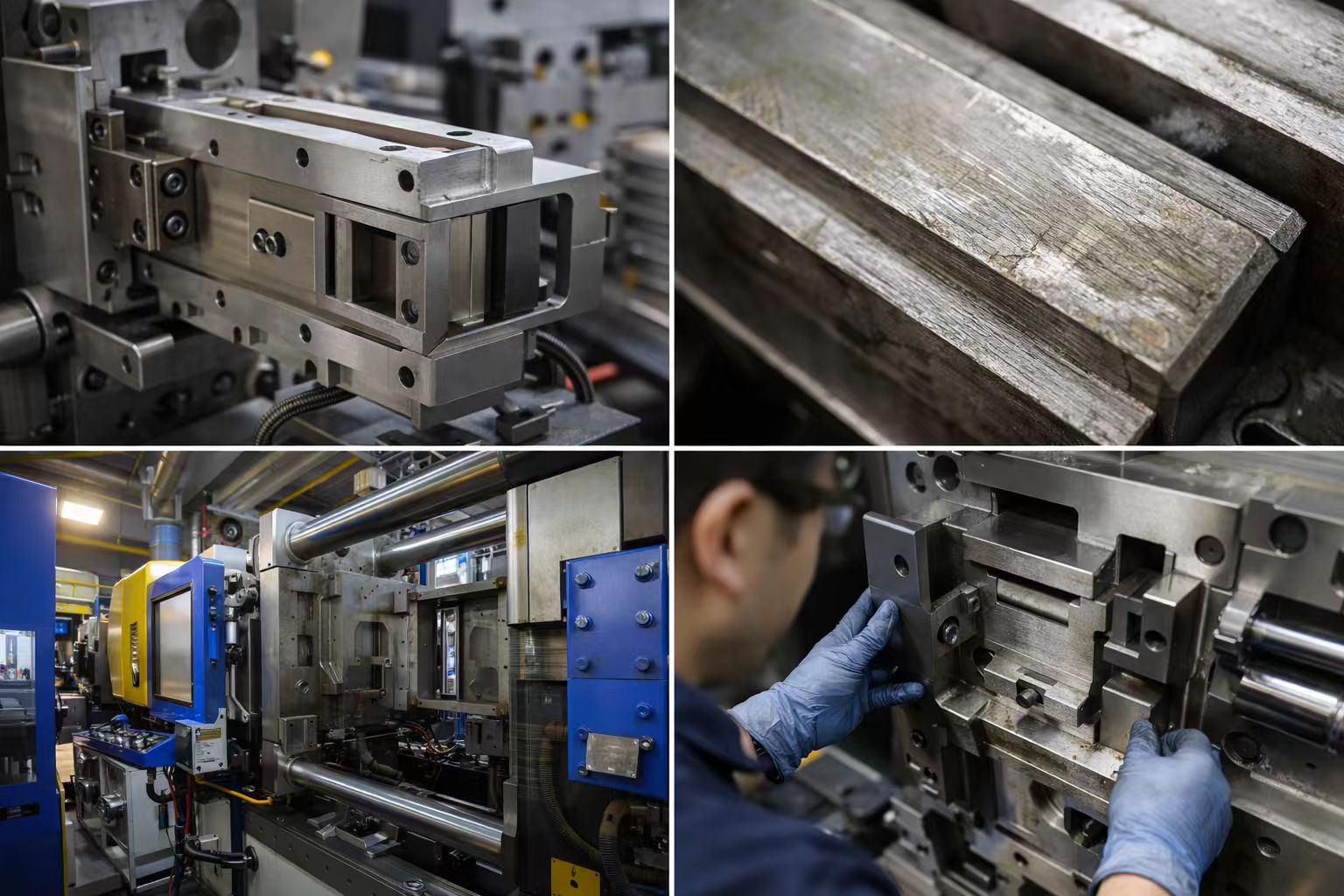
In injection molding systems, slide mechanisms (also known as sliders or side cores) are essential components used for complex mold structures and lateral part release. These components operate under repeated motion, high load, and elevated temperatures, making them highly susceptible to surface wear.
Surface wear of slides not only affects mold precision but also leads to product defects, increased maintenance frequency, and reduced production efficiency. Among all influencing factors, lubrication method and performance play a critical role.
This article analyzes the causes of slide surface wear and provides optimized lubrication strategies.
1. Common Types of Slide Surface Wear
Slide wear in injection molds typically manifests as:
- Adhesive wear (metal-to-metal contact)
- Abrasive wear (caused by particles or debris)
- Surface scoring or scratching
- Localized galling or seizure
These wear patterns are often directly related to lubrication conditions.
2. Lubrication-Related Causes of Wear
2.1 Insufficient Lubrication
When lubrication is inadequate:
- Direct metal contact increases
- Friction rises significantly
- Surface temperature increases
This accelerates wear and may lead to seizure.
2.2 Improper Lubricant Selection
Using unsuitable grease can result in:
- Poor adhesion to metal surfaces
- Insufficient load-carrying capacity
- Breakdown under high temperature
Injection mold slides require lubricants with:
- High load resistance
- Strong adhesion
- High-temperature stability
2.3 Lubricant Degradation
Under continuous operation:
- Grease may oxidize or dry out
- Base oil evaporates
- Residue accumulates
This leads to reduced lubrication effectiveness and increased friction.
2.4 Contamination
Contaminants such as:
- Plastic residues
- Dust particles
- Carbonized grease
can cause abrasive wear and disrupt lubrication film formation.
2.5 Over-Lubrication
Excess grease can:
- Attract contaminants
- Form deposits under high temperature
- Increase sliding resistance
This can worsen wear instead of reducing it.
3. Impact on Mold Performance
Slide surface wear can lead to:
- Reduced dimensional accuracy
- Increased mold resistance
- Product defects (flash, deformation)
- Frequent maintenance downtime
In high-volume production, even minor wear can significantly affect output quality.
4. Lubrication Optimization Strategies
4.1 Select High-Performance Grease
Recommended characteristics:
- High load-carrying capacity
- Excellent adhesion
- Low evaporation and residue
- High-temperature resistance
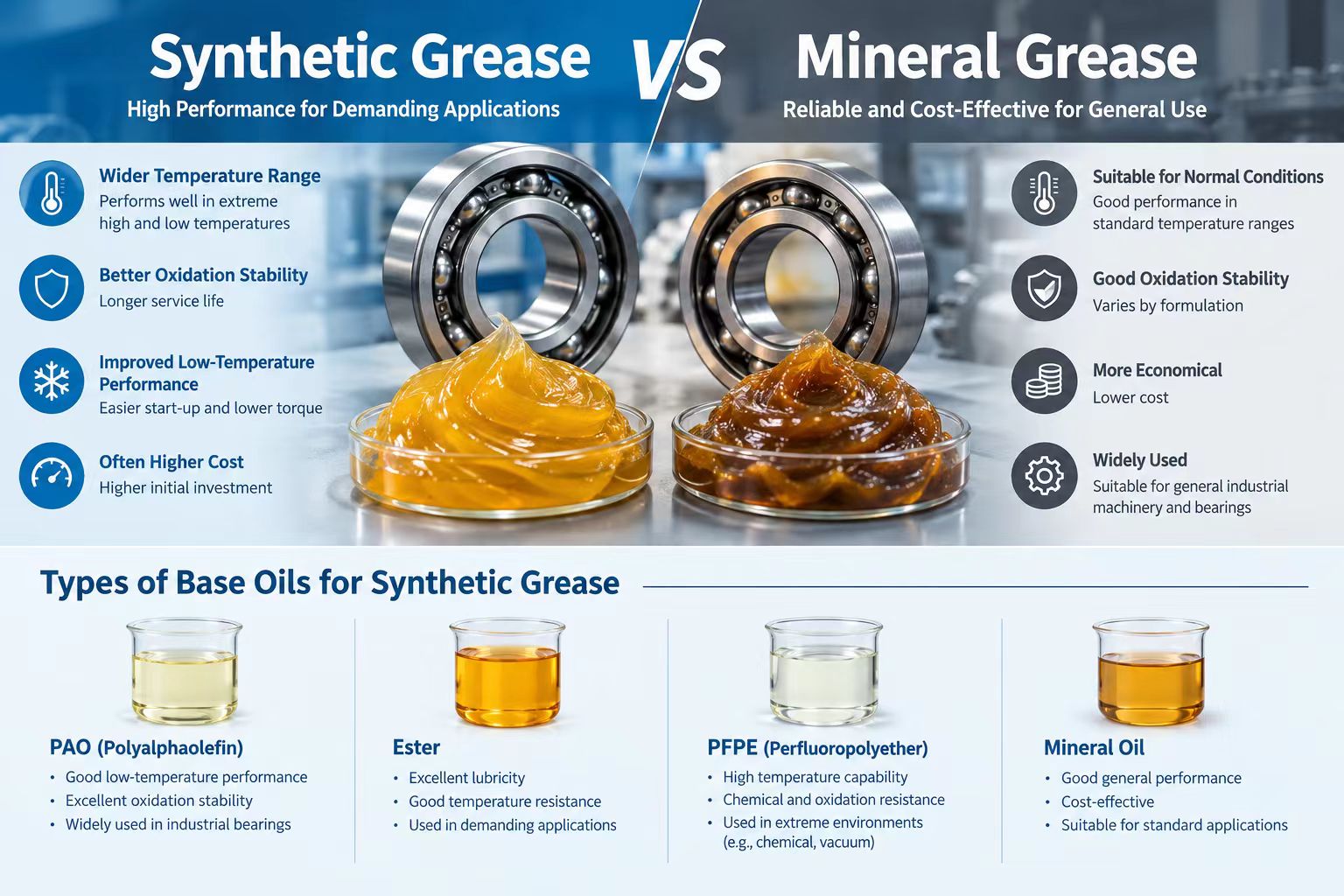
Synthetic greases are generally preferred in injection molding applications.
4.2 Optimize Lubrication Method
- Apply grease evenly to sliding surfaces
- Use controlled lubrication quantity
- Avoid excessive or insufficient application
For high-cycle molds, consider semi-automatic lubrication methods.
4.3 Improve Lubrication Frequency
- Establish regular lubrication intervals
- Increase frequency under high load or temperature
- Remove degraded grease before reapplication
4.4 Control Contamination
- Clean slide surfaces regularly
- Prevent entry of plastic debris
- Use clean lubrication tools
4.5 Surface Treatment and Design Optimization
- Apply surface coatings (e.g., nitriding, DLC)
- Improve surface finish
- Optimize contact geometry
These measures reduce friction and enhance lubrication performance.
5. Results of Optimization
After improving lubrication practices:
- Slide movement becomes smoother
- Wear rate significantly decreases
- Mold life is extended
- Product quality improves
- Maintenance frequency is reduced
Conclusion
Surface wear of injection molding slides is closely linked to lubrication performance. By optimizing lubricant selection, lubrication methods, and maintenance practices, manufacturers can effectively reduce wear and improve mold performance.
Proper lubrication is a key factor in ensuring long-term stability and efficiency in injection molding operations.
Semiconductor Equipment Lubrication: Grease Selection Guide
Impact of Insufficient Lubrication on Yield in SMT Conveyor Systems
Related Article