Lubrication Factors Causing Ejector Pin Sticking in Injection Molds
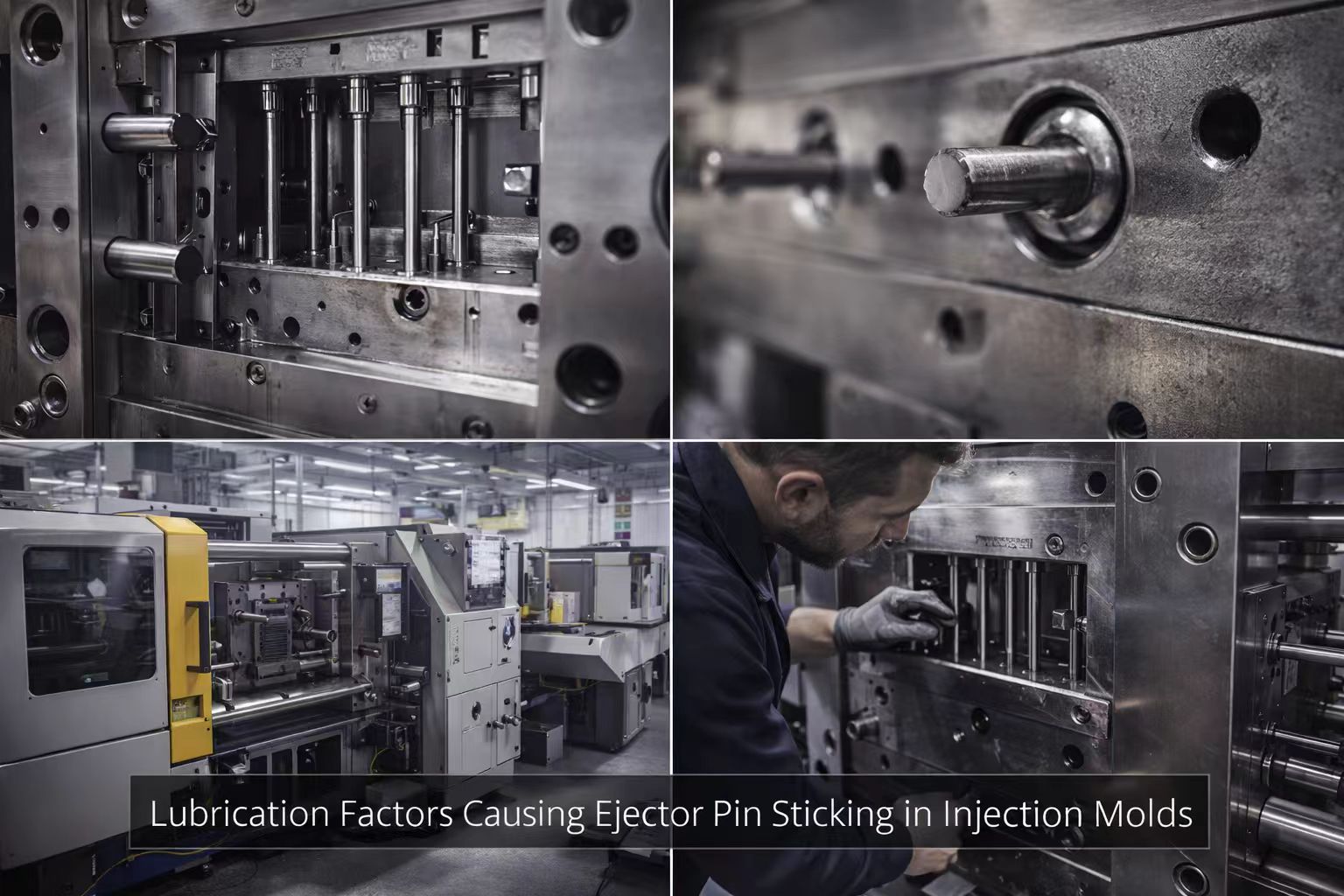
In injection molding processes, ejector pins play a critical role in part ejection and cycle efficiency. Sticking or jamming of ejector pins is a common issue that can lead to production delays, part defects, and increased maintenance costs.
Among various causes, lubrication-related factors are one of the most important and often overlooked contributors to ejector pin sticking.
This article analyzes the key lubrication factors affecting ejector pin performance and provides practical solutions.
1. Insufficient Lubrication
One of the primary causes of ejector pin sticking is inadequate lubrication.
Common issues include:
-
Lack of grease application
-
Lubricant depletion over time
-
Poor relubrication intervals
When lubrication is insufficient:
-
Friction between pin and guide increases
-
Heat buildup occurs
-
Metal surfaces may begin to seize
Solution:
-
Apply appropriate high-temperature grease
-
Establish regular lubrication schedules
-
Ensure proper grease coverage on sliding surfaces
2. Incorrect Lubricant Selection
Using unsuitable lubricants can significantly affect ejector pin performance.
Typical problems:
-
Low temperature resistance → grease breakdown
-
Poor adhesion → lubricant displacement
-
Inadequate anti-wear performance
Injection molds operate under:
-
High temperature
-
Repetitive motion
-
High contact pressure
Recommended lubricant characteristics:
-
High-temperature stability
-
Strong adhesion
-
Anti-wear and anti-seizure properties
-
Low carbon residue formation
3. Grease Carbonization and Residue Formation
At elevated temperatures, some greases degrade and form carbon deposits.
Effects include:
-
Increased friction
-
Surface roughness
-
Pin sticking or delayed movement
This is especially common in:
-
High-cycle injection molding
-
Poor-quality grease formulations
Solution:
-
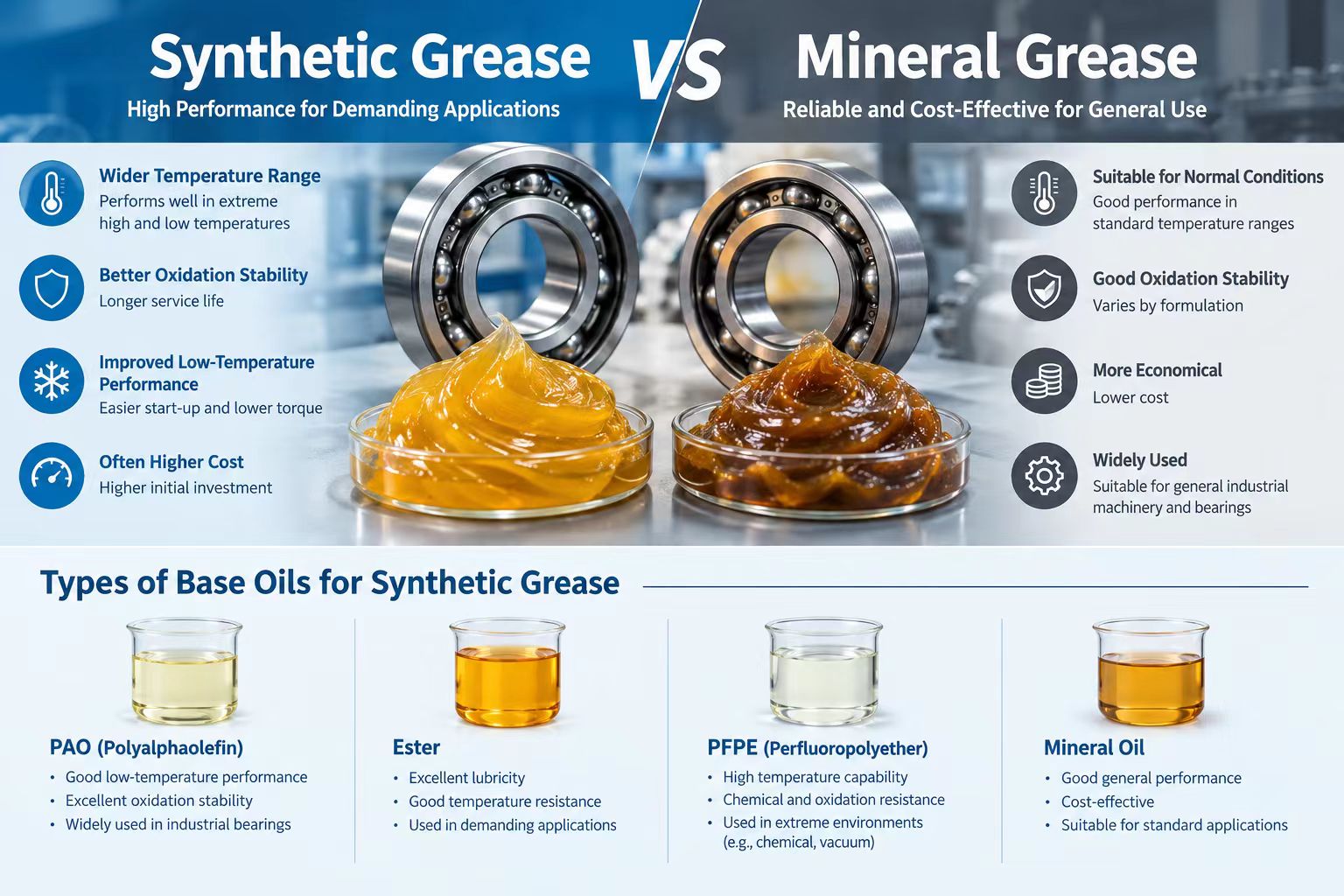
Use low-residue, high-temperature synthetic grease
-
Avoid grease with poor thermal stability
4. Contamination and Foreign Particles
Mold environments can introduce contaminants such as:
-
Plastic residues
-
Dust particles
-
Degraded lubricant debris
These contaminants can:
-
Block movement
-
Increase wear
-
Disrupt lubrication film
Solution:
-
Clean ejector pin channels regularly
-
Use clean, stable lubricants
-
Improve mold sealing where possible
5. Over-Lubrication Issues
Excess grease can also cause problems:
-
Accumulation of contaminants
-
Increased resistance
-
Formation of sludge-like deposits
In high-temperature molds, excess grease may:
-
Degrade faster
-
Cause carbon buildup
Solution:
-
Apply controlled lubrication amounts
-
Avoid excessive grease application
6. Lubrication Failure Leading to Mechanical Damage
If lubrication problems persist:
-
Surface wear increases
-
Pin clearance changes
-
Permanent sticking may occur
At this stage:
-
Lubrication alone is insufficient
-
Mechanical repair or replacement is required
Conclusion
Ejector pin sticking in injection molds is closely related to lubrication conditions. Key factors include lubricant selection, lubrication quantity, contamination control, and thermal stability.
By implementing proper lubrication strategies, manufacturers can:
-
Reduce downtime
-
Improve mold performance
-
Extend component service life
-
Maintain production efficiency
Lubrication is not just maintenance—it is a critical part of mold performance engineering.
Lubrication Causes of Premature Bearing Wear in Industrial Machinery and Improvement Strategies
Troubleshooting Lubrication Issues Causing Noise in SMT Conveyor Rails
Related Article