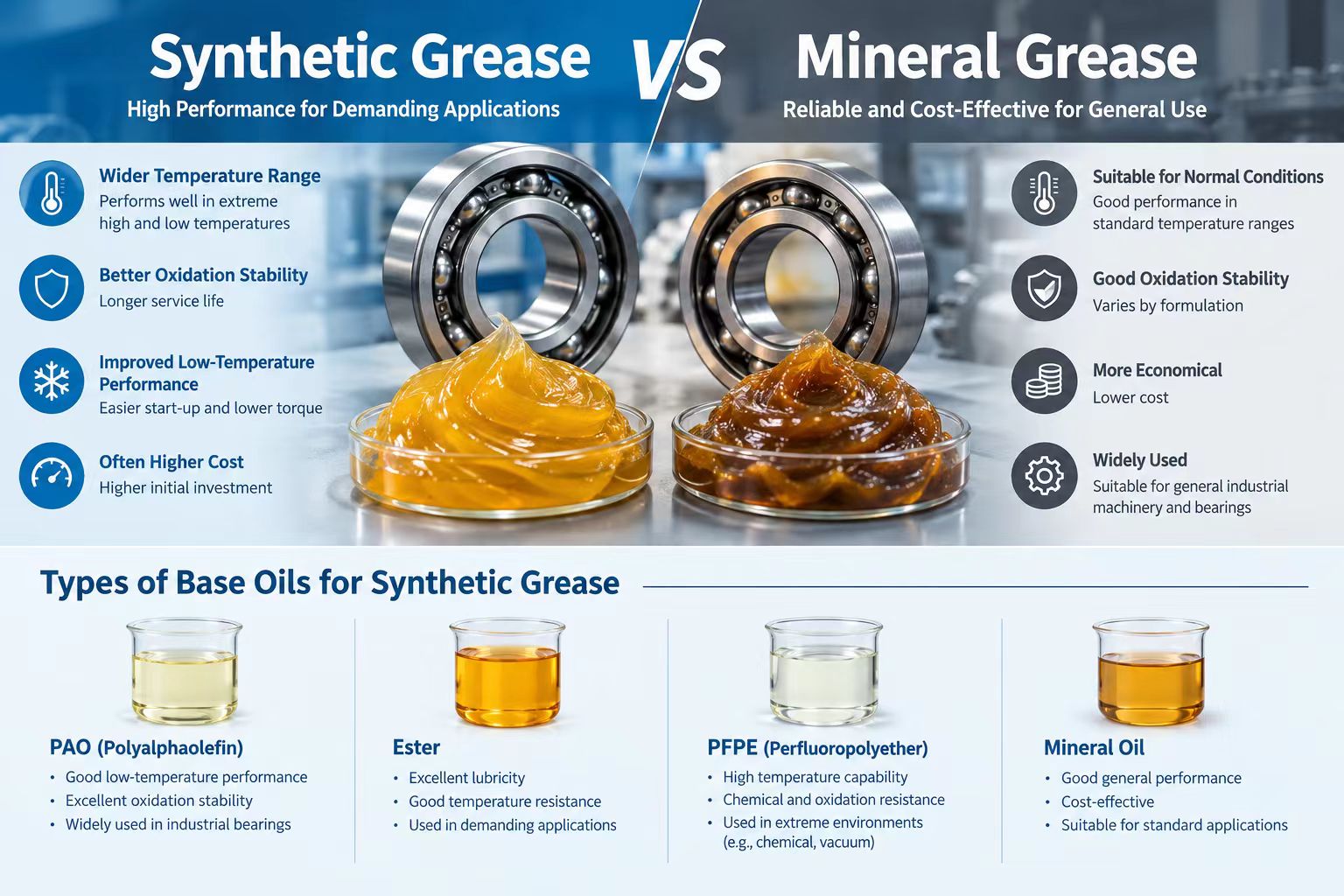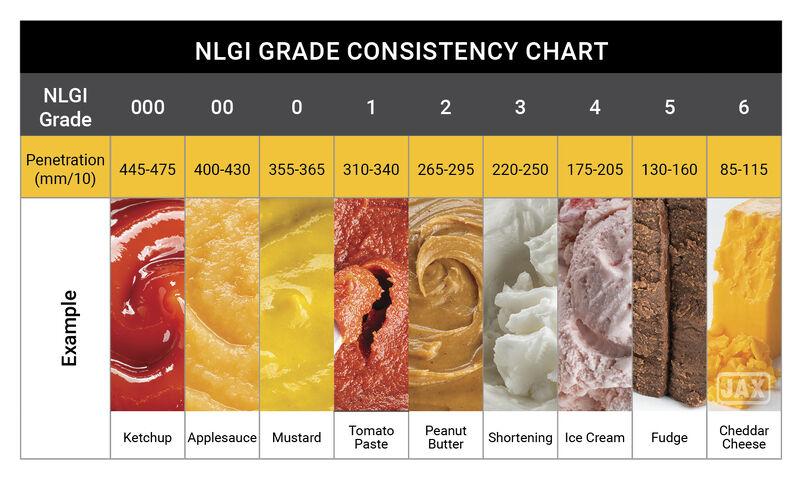
Common Industrial Equipment Lubrication Mistakes and Solutions
Lubrication is one of the most important factors affecting industrial equipment reliability. However, many equipment failures are not caused by a lack of lubricant, but by incorrect lubrication practices.
Common mistakes such as selecting the wrong grease, applying excessive lubricant, mixing incompatible greases, or ignoring contamination can lead to:
- Bearing failure
- Increased friction
- Higher operating temperatures
- Unexpected downtime
- Increased maintenance costs
This article summarizes the most common industrial lubrication mistakes and explains how to avoid them.
1. Using the Wrong Grease for the Application
One of the most common lubrication errors is selecting grease based only on price or availability.
Different applications require different grease characteristics:
- High-speed bearings require low-friction grease
- Heavy-load equipment requires EP grease
- High-temperature equipment requires oxidation-resistant grease
- Wet environments require water-resistant grease
Using unsuitable grease may result in:
- Overheating
- Wear
- Grease degradation
- Premature bearing failure
Recommended Grease Selection Examples
High-Speed Equipment
Applications:
- CNC spindle bearings
- Precision machinery
- Electric motors
Recommended:
- Klüber ISOFLEX TOPAS NB 52
- NSK LR3
Benefits:
- Low friction
- High-speed stability
- Low torque performance
Heavy Load Equipment
Applications:
- Mining machinery
- Construction equipment
- Industrial bearings
Recommended:
- Molykote BR2 Plus
- SKF LGEM 2
Benefits:
- Extreme pressure protection
- Wear resistance
- Shock load capability
2. Over-Lubrication
A common misconception is:
"More grease means better protection."
In reality, excessive grease can create problems.
Over-greasing may cause:
- Increased friction
- Higher bearing temperature
- Grease leakage
- Seal damage
- Energy consumption increase
This is especially common in:
- Electric motors
- High-speed bearings
- Small precision bearings
Solution
Follow:
- Equipment manufacturer's recommendations
- Correct grease quantity
- Proper relubrication intervals
3. Insufficient Lubrication
Too little grease is another common mistake.
Insufficient lubrication causes:
- Metal-to-metal contact
- Increased wear
- Higher vibration
- Bearing damage
Possible causes:
- Long relubrication intervals
- Grease leakage
- Poor maintenance planning
Regular inspection helps prevent lubrication starvation.
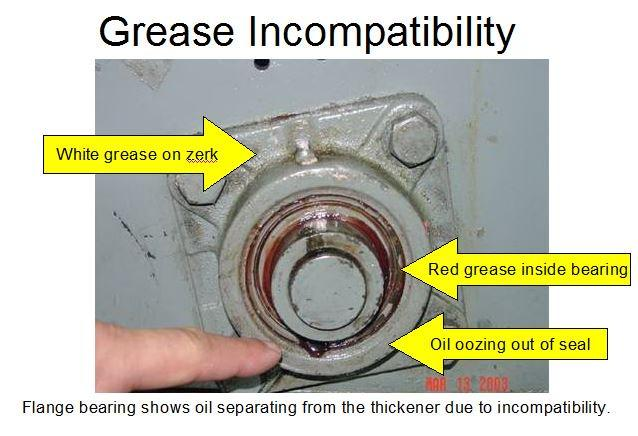
4. Mixing Incompatible Greases
Different greases may contain different:
- Thickeners
- Base oils
- Additives
Mixing incompatible greases may cause:
- Grease hardening
- Grease softening
- Oil separation
- Reduced lubrication performance
Common incompatible combinations:
- PFPE grease + mineral oil grease
- Silicone grease + hydrocarbon grease
- Some polyurea grease + lithium grease combinations
Solution
Before changing grease:
- Check compatibility data
- Remove old grease when necessary
- Confirm with lubricant suppliers
5. Ignoring Contamination Control
Contamination is one of the biggest causes of lubricant failure.
Common contaminants:
- Dust
- Water
- Metal particles
- Chemicals
Effects:
- Abrasive wear
- Corrosion
- Lubrication film damage
Prevention
- Keep grease containers sealed
- Clean grease fittings before application
- Protect lubrication points from contamination
- Use proper sealing systems
6. Using Old or Degraded Grease
Lubricants have a service life.
Aged grease may experience:
- Oxidation
- Oil separation
- Hardening
- Additive depletion
Signs of grease degradation:
- Color change
- Dry texture
- Unusual smell
- Leakage
Replace degraded grease promptly.
7. Ignoring Operating Conditions
Lubrication selection must consider actual working conditions.
Important factors include:
Temperature
High temperatures require:
- Thermal stability
- Oxidation resistance
Recommended:
- Klüber PETAMO GHY 133N
Speed
High-speed applications require:
- Low friction
- Low viscosity base oil
Load
Heavy loads require:
- EP additives
- Strong lubricant film
Environment
Wet or corrosive environments require:
- Water resistance
- Anti-corrosion protection
Recommended:
- SKF LGWM 2
- OKS 422
8. Incorrect Lubrication Frequency
Both excessive and insufficient lubrication intervals can cause problems.
Too frequent:
- Grease waste
- Heat generation
Too long:
- Grease aging
- Lubrication starvation
A proper lubrication schedule should be based on:
- Equipment speed
- Temperature
- Load
- Operating environment
9. Lack of Lubrication Records
Many maintenance problems occur because there is no lubrication history.
Recommended records:
- Grease brand and model
- Application location
- Lubrication date
- Quantity used
- Equipment condition
Proper records improve maintenance planning.
10. Choosing Lubricant Only by Price
The cheapest grease is not always the most economical.
Low-quality lubricants may cause:
- Frequent maintenance
- Shorter bearing life
- Production downtime
A higher-performance grease can often reduce total operating costs.
Lubrication Best Practice Checklist
✅ Select grease according to application requirements
✅ Confirm grease compatibility before replacement
✅ Avoid over-greasing
✅ Prevent contamination
✅ Monitor temperature and vibration
✅ Maintain lubrication records
✅ Use high-quality industrial grease
Recommended Grease Categories
| Application | Recommended Products |
|---|---|
| Precision/high-speed bearings | Klüber ISOFLEX TOPAS NB 52, NSK LR3 |
| General industrial bearings | SKF LGMT 2, Kyodo Yushi Multemp SRL |
| Heavy-load equipment | Molykote BR2 Plus, SKF LGEM 2 |
| High-temperature equipment | Klüber PETAMO GHY 133N |
| Wet/corrosive environments | SKF LGWM 2, OKS 422 |
| Food processing equipment | Klüber UH1 series |
Frequently Asked Questions
What is the most common lubrication mistake?
Using the wrong grease for the application is one of the most common mistakes because different equipment requires different grease properties.
Is adding more grease better for equipment protection?
No. Excessive grease can increase friction and temperature, causing premature bearing failure.
How can lubrication failures be reduced?
Correct grease selection, contamination control, proper lubrication quantity, and regular monitoring are key factors.
Conclusion
Proper lubrication is not simply about adding grease. Industrial equipment reliability depends on selecting the correct lubricant, applying the right amount, maintaining cleanliness, and following a scientific maintenance program.
Avoiding common industrial lubrication mistakes can significantly reduce equipment downtime, extend bearing life, and improve overall production efficiency.
How Contamination Affects Grease Performance
Common Causes of Lubrication Failure at High Speed
Related Article