Long-Life Lubrication Strategies for Industrial Ball Screws
1. Background
Ball screws are critical precision components in industrial machinery, widely used in CNC machine tools, automation systems, and high-precision positioning equipment. Their performance and service life are highly dependent on proper lubrication.
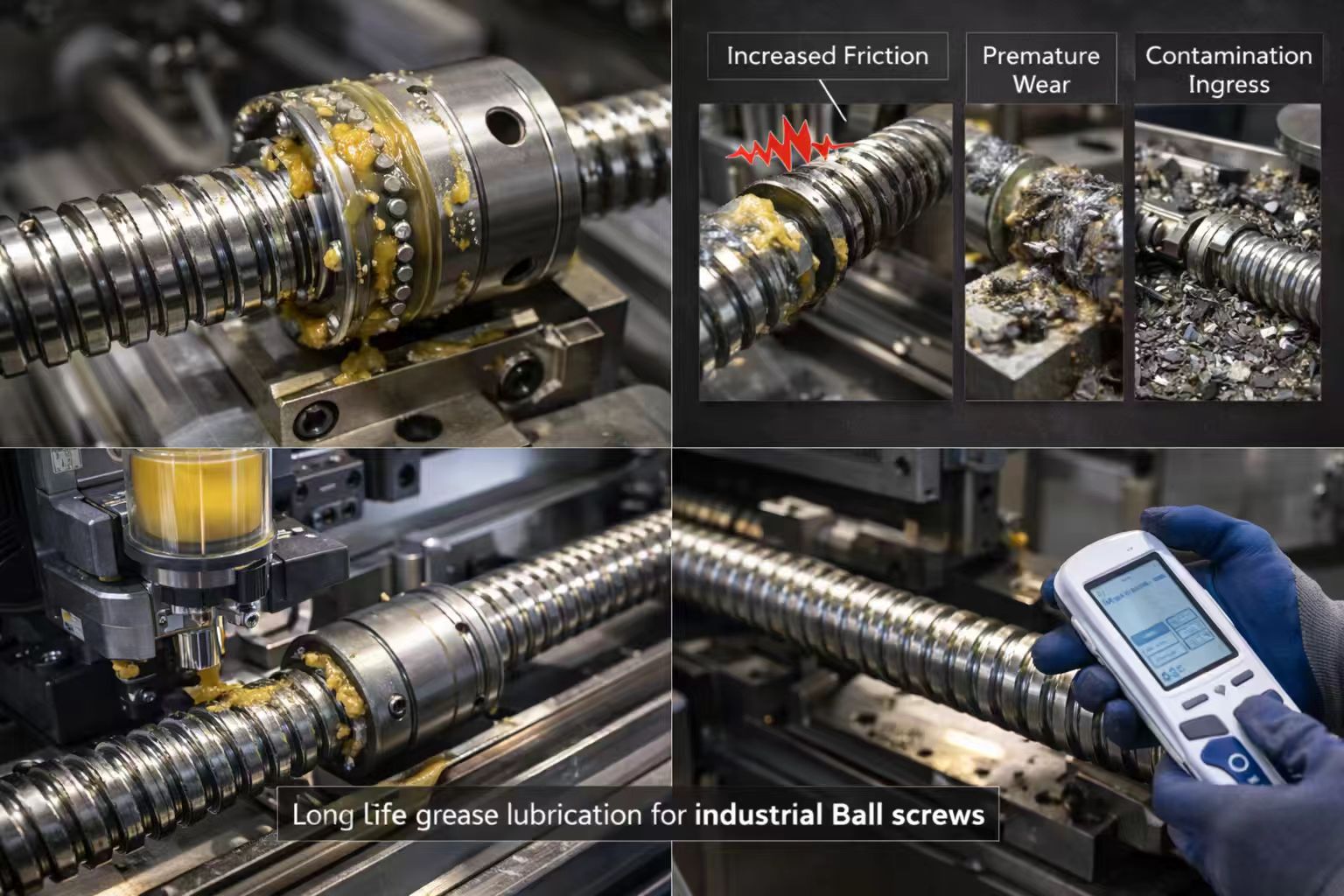
Under continuous operation, insufficient or inappropriate lubrication can lead to increased friction, accelerated wear, loss of positioning accuracy, and premature failure. Implementing effective ball screw lubrication strategies is therefore essential for achieving long-term reliability and stable machine performance.
2. Operating Conditions of Industrial Ball Screws
Industrial ball screws typically operate under:
-
High contact stress between balls and raceways
-
Repetitive rolling and sliding motion
-
Variable speeds and loads
-
Exposure to contaminants such as dust, chips, or coolant
These conditions require lubrication systems capable of maintaining a stable lubricating film over extended operating periods, making long life grease lubrication a key consideration.
3. Lubrication Failure Mechanisms in Ball Screws
Common lubrication-related failure mechanisms include:
-
Breakdown of the lubricating film under high load
-
Grease oxidation or oil separation over time
-
Contamination leading to abrasive wear
-
Insufficient replenishment during long service intervals
Addressing these issues through proper industrial lubrication strategy helps significantly extend ball screw service life.
4. Key Requirements for Long-Life Ball Screw Lubrication
4.1 Stable Lubricating Film
Effective lubrication must form a consistent film between rolling elements and raceways to reduce friction and wear. This is fundamental to reliable ball screw lubrication in precision machinery.
4.2 Oxidation and Aging Resistance
For long service intervals, lubricants must resist oxidation and degradation. Greases with strong aging resistance maintain performance over time, supporting long life grease lubrication in continuous-duty applications.
4.3 Load-Carrying and Anti-Wear Performance
Ball screws experience concentrated contact loads. Lubricants should provide sufficient load-carrying capacity to prevent surface fatigue and micro-pitting.
4.4 Contamination Protection
Grease also serves as a barrier against contaminants. Proper sealing combined with suitable grease selection improves overall industrial lubrication strategy by reducing ingress of dust and debris.
5. Grease Selection Considerations
Base Oil Type
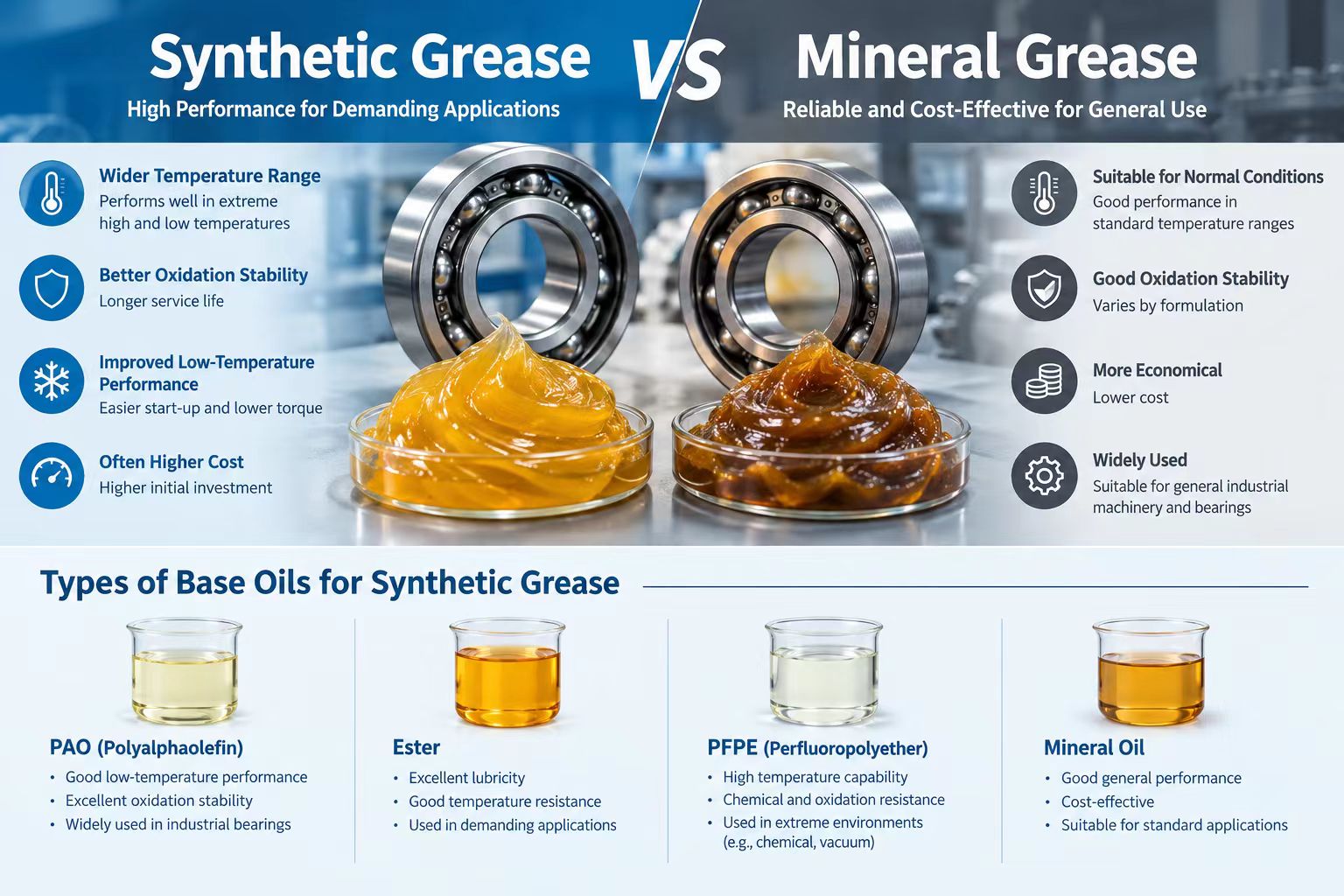
Synthetic base oils such as PAO or ester oils are commonly selected for their thermal stability, oxidation resistance, and consistent viscosity over a wide temperature range.
Consistency (NLGI Grade)
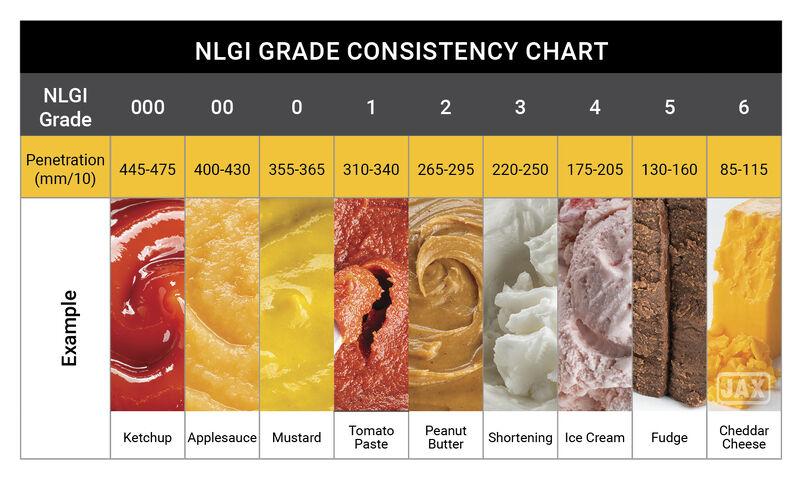
NLGI 1 or NLGI 2 greases are typically used for ball screws, depending on speed, load, and lubrication method.
Additive System
Anti-wear and extreme-pressure additives can enhance protection, especially in high-load or low-speed applications.
6. Lubrication Methods and Maintenance Practices
-
Initial Lubrication
Ensure proper grease quantity during installation to establish an effective lubricating film from startup. -
Periodic Re-Lubrication
Re-lubrication intervals should be based on operating hours, load conditions, and environmental factors to maintain effective ball screw lubrication. -
Automatic Lubrication Systems
In high-duty or hard-to-access applications, centralized or automatic lubrication systems help support long life grease lubrication by ensuring consistent supply. -
Condition Monitoring
Increased noise, vibration, or temperature may indicate lubrication degradation and should trigger inspection.
7. Common Issues and Preventive Measures
| Issue | Likely Cause | Preventive Measure |
|---|---|---|
| Increased friction | Grease aging or depletion | Optimize re-lubrication interval |
| Reduced positioning accuracy | Lubrication film breakdown | Select grease with better film strength |
| Premature wear | Contamination ingress | Improve sealing and lubrication control |
8. Conclusion
Achieving long service life for industrial ball screws requires more than selecting a lubricant—it requires a well-designed industrial lubrication strategy. By choosing appropriate grease, maintaining proper lubrication intervals, and controlling contamination, manufacturers can significantly enhance durability, accuracy, and overall equipment performance through effective long life grease lubrication.
Lubrication Optimization Case Study for SMT Pick-and-Place Machine Drive Components
High Temperature Grease Application Guide for Injection Molding Molds
Related Article