Impact of Environmental Regulations on the Lubricating Grease Industry
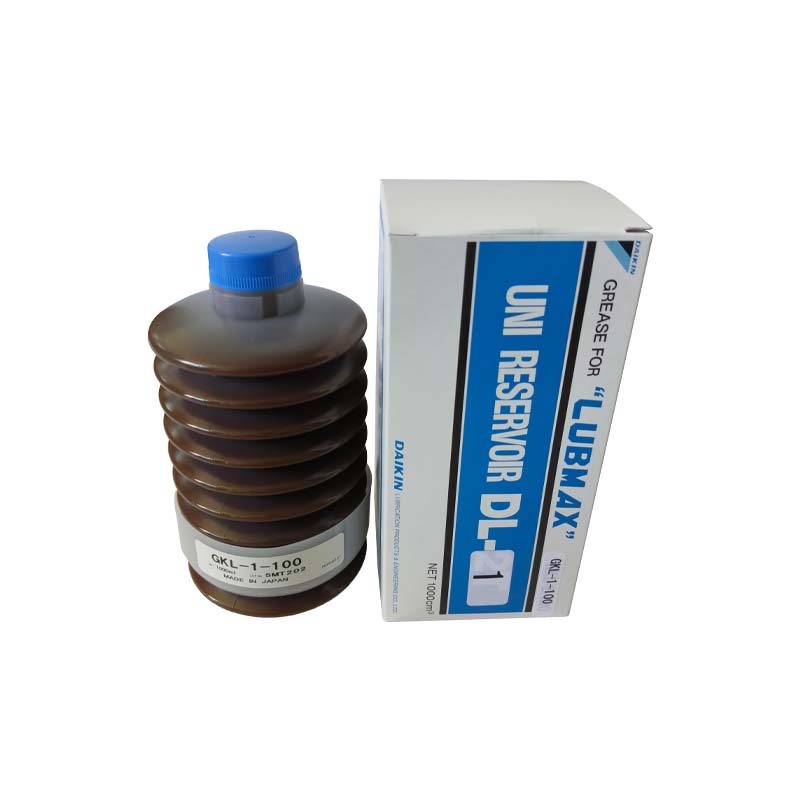
With increasingly stringent global environmental regulations, the lubricating grease industry is undergoing significant changes. From raw material selection and production processes to product application and waste disposal, every aspect is being shaped by environmental policies. Regulations such as the EU REACH, RoHS Directive, U.S. EPA regulations, and global PFAS restrictions are driving major transformations in the industry.
1. PFAS Restrictions and the Development of Fluorine-Free Lubricating Grease
Regulatory Impact:
-
The EU and U.S. are progressively restricting and banning per- and polyfluoroalkyl substances (PFAS) in lubricating greases due to their potential harm to human health and the environment.
-
In 2023, the EU proposed a total ban on PFAS, with stricter regulations expected in the coming years.
Industry Response:
-
Development of Fluorine-Free Alternatives: Companies are investing in PFAS-free lubricants, with brands like DUPONT and KRYTOX introducing high-performance, non-fluorinated greases.
-
Advancements in Silicone and Nano Lubrication Technologies to reduce dependency on fluorinated compounds.
2. The Rise of Biodegradable Lubricants
Regulatory Impact:
-
Governments worldwide are promoting the use of biodegradable lubricants (BDLs), especially in industries such as agriculture, forestry, marine, and food processing, to minimize environmental contamination.
-
The EU Ecolabel certification and the U.S. Environmental Protection Agency (EPA) Vessel General Permit (VGP) require the use of biodegradable lubricants in specific applications.
Industry Response:
-
Developing plant-based and synthetic ester-based lubricants, such as XIAOYICHONG’s eco-friendly lubricants.
-
Expanding the use of biodegradable industrial lubricants to comply with sustainability goals and environmental standards.
3. Adoption of Low-VOC Lubricant Products
Regulatory Impact:
-
VOC (Volatile Organic Compounds) emission restrictions are tightening, as seen in the U.S. Clean Air Act and China’s GB 38508-2020 VOC content limits for lubricants.
-
Certain solvents in traditional mineral-based lubricants have been classified as high-pollution emissions, necessitating their reduction or replacement.
Industry Response:
-
Development of low-VOC or zero-VOC lubricants, including water-based and synthetic-based greases, to minimize pollution.
-
Advancement in solid lubrication technologies (e.g., molybdenum disulfide (MoS₂) and graphite) to reduce reliance on liquid lubricants.
4. Waste Oil Recycling and Circular Economy Initiatives
Regulatory Impact:
-
Global waste oil management regulations require lubricant manufacturers and users to establish effective waste collection, recycling, and reuse systems to reduce environmental impact.
-
Regulations such as the EU Waste Lubricating Oil Management Directive and China’s Waste Mineral Oil Recycling Regulations mandate responsible disposal practices.
Industry Response:
-
Development of recyclable lubricants through advanced refining and molecular distillation technologies.
-
Implementation of closed-loop lubrication systems to minimize leakage and extend lubricant lifespan, reducing waste generation at the source.
5. Green Certification and Competitive Market Advantage
Regulatory Impact:
-
Green product certifications are becoming crucial for industry growth, including:
-
EU Ecolabel
-
Germany’s Blue Angel Certification
-
U.S. USDA BioPreferred Certification
-
-
Certified environmentally friendly products have a competitive edge in global markets and meet sustainability requirements in industrial procurement.
Industry Response:
-
Companies are pursuing ISO 14001 Environmental Management System Certification to ensure compliance with global environmental standards.
-
Developing lubricants that meet green certification standards to cater to industrial clients and government procurement policies.
Conclusion
Environmental regulations are driving significant transformations in the lubricating grease industry, particularly in the following areas:
-
PFAS-free lubricants are becoming mainstream as alternatives to traditional fluorinated products.
-
Biodegradable lubricants are in increasing demand due to environmental policies and sustainability goals.
-
Low-VOC lubricants are gaining regulatory support, promoting advancements in water-based and solid lubrication technologies.
-
Waste oil recycling and circular economy practices are becoming industry norms.
-
Green certifications are enhancing market competitiveness, making eco-friendly lubricants more attractive to industrial buyers.
As the industry moves toward sustainable and smart lubrication solutions, companies must continue innovating to align with evolving environmental policies while maintaining high performance and reliability in lubrication technology.
Research and Application of New Lubrication Technologies
Changes in the Demand for Lubricating Grease in the Machinery Manufacturing Industry
Related Article