How Contamination Affects Grease Performance
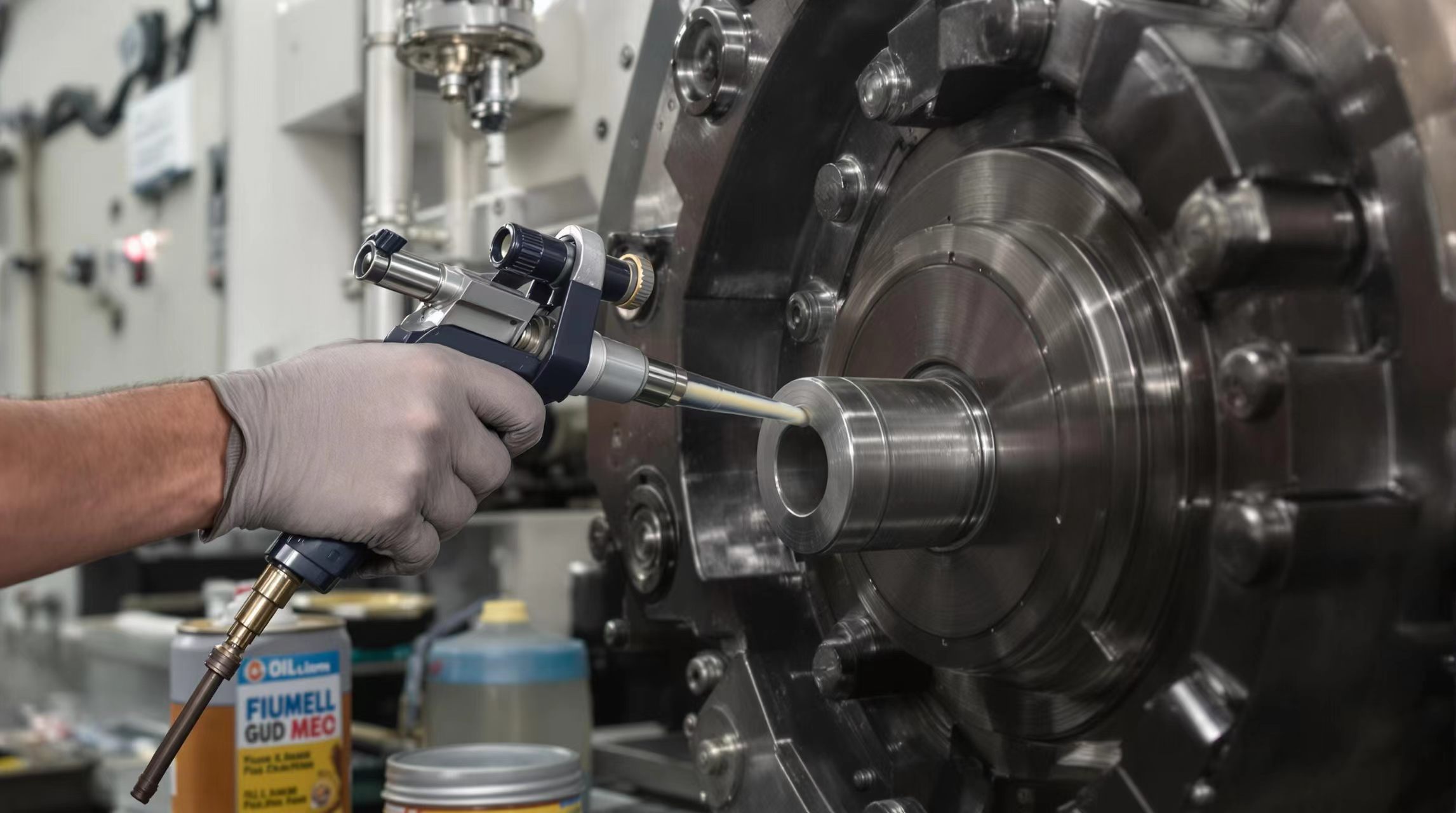
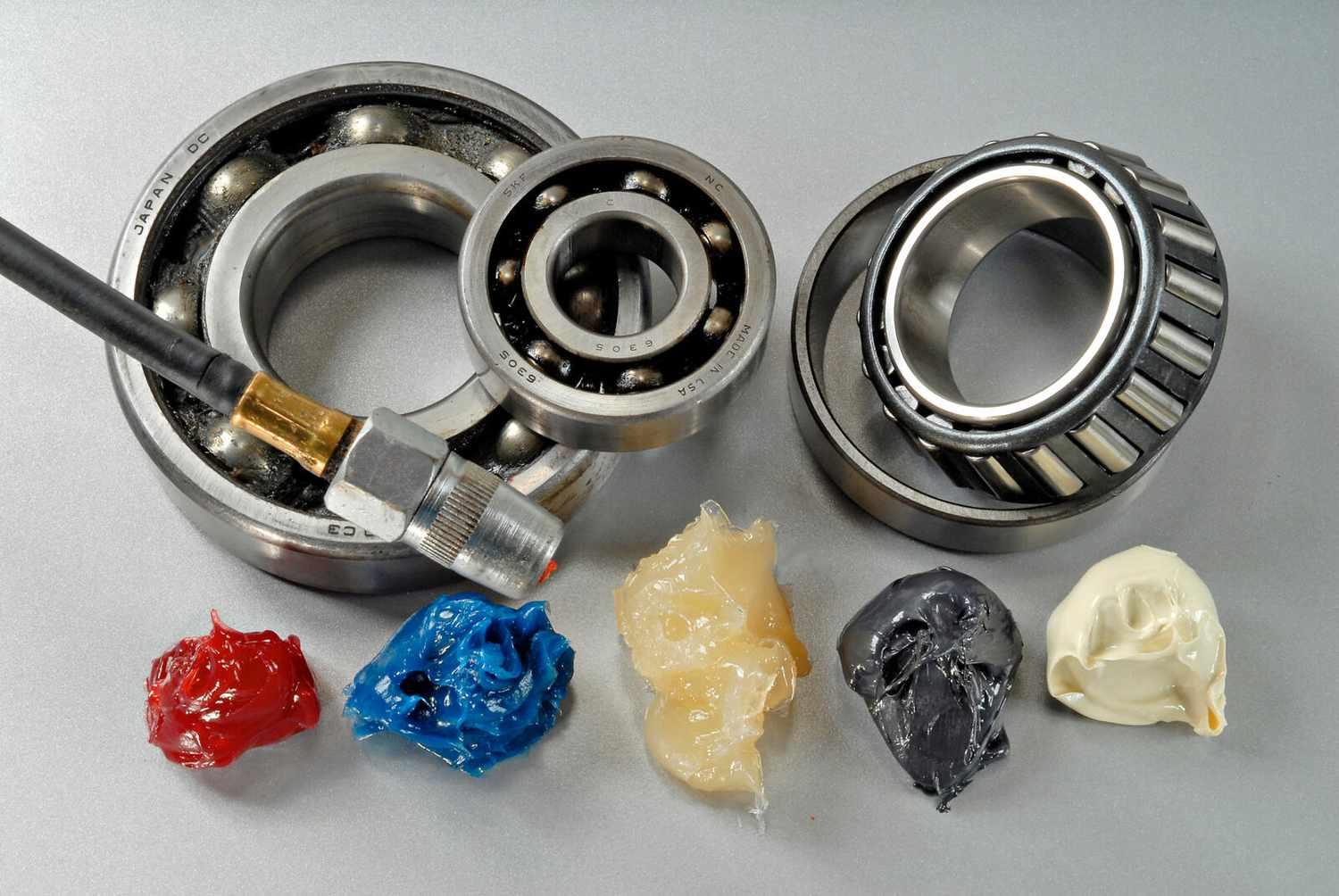
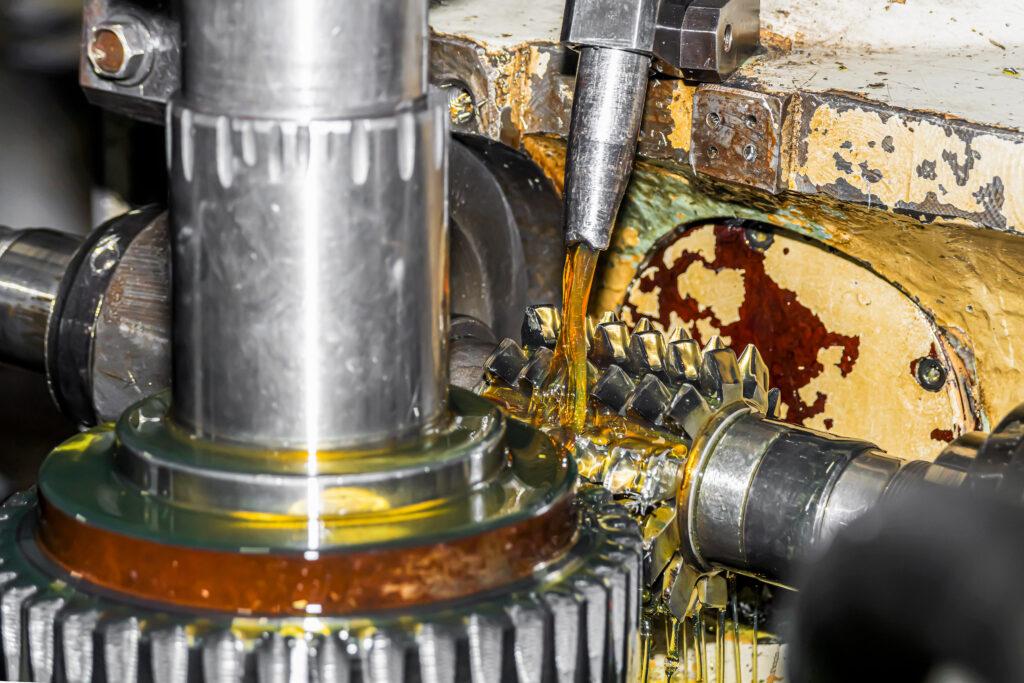
Lubricating grease plays a critical role in protecting bearings and other moving components from friction, wear, corrosion, and heat. However, even a high-performance grease can quickly lose its effectiveness when contaminated.
Dust, water, metal particles, and chemicals can alter the grease structure, reduce lubrication efficiency, and shorten bearing life. Understanding grease contamination and implementing proper preventive measures are essential for maintaining equipment reliability.
Common Sources of Grease Contamination
Industrial equipment is exposed to various contaminants during operation and maintenance.
The most common sources include:
- Dust and sand
- Water and moisture
- Metal wear particles
- Chemicals and cleaning agents
- Improper storage
- Dirty lubrication tools
Each type of contamination affects grease performance in different ways.
1. Dust and Dirt Contamination
Dust is one of the most common contaminants in industrial environments.
Typical applications include:
- Mining equipment
- Cement plants
- Agricultural machinery
- Construction equipment
Dust particles become trapped inside the grease and act as abrasive materials.
Effects
- Increased bearing wear
- Higher friction
- Increased operating temperature
- Shorter bearing life
Recommended Products
Heavy-duty equipment operating in dusty environments may benefit from greases with strong mechanical stability and EP performance, such as:
- SKF LGEM 2
- Molykote BR2 Plus
2. Water Contamination
Water enters lubrication systems through:
- Rain
- Equipment washing
- Condensation
- Humid environments
Excessive water contamination may:
- Reduce lubricant film strength
- Promote corrosion
- Accelerate grease degradation
- Increase bearing wear
Recommended Products
Applications exposed to water or marine environments often require greases with excellent water resistance, for example:
- SKF LGWM 2
- OKS 422
3. Metal Particle Contamination
Normal bearing wear generates microscopic metal particles.
Without regular maintenance, these particles continue circulating inside the bearing.
Possible consequences include:
- Abrasive wear
- Surface fatigue
- Increased vibration
- Higher operating temperature
Regular grease replacement and condition monitoring help reduce this risk.
4. Chemical Contamination
Some industrial environments expose lubricants to:
- Solvents
- Cleaning chemicals
- Acids
- Alkalis
- Process fluids
Chemical contamination may:
- Break down grease structure
- Reduce additive effectiveness
- Accelerate oxidation
For chemically aggressive environments, PFPE-based greases are often selected because of their excellent chemical stability.
5. Improper Grease Storage
Even unused grease can become contaminated if stored incorrectly.
Common mistakes include:
- Leaving containers open
- Exposure to dust
- High humidity
- Direct sunlight
- Extreme temperatures
Best Practice
Store grease:
- In sealed original containers
- In a cool, dry environment
- Away from direct sunlight
- Following the manufacturer's storage recommendations
How Contamination Changes Grease Performance
Contaminated grease may experience:
- Reduced lubricating film strength
- Grease hardening
- Oil separation
- Increased oxidation
- Higher operating temperatures
- Increased bearing noise
- Premature bearing failure
In many cases, contamination damages the grease long before it is visible.
How to Prevent Grease Contamination
Keep Lubrication Points Clean
Before adding grease:
- Clean grease fittings
- Remove old contaminated grease when appropriate
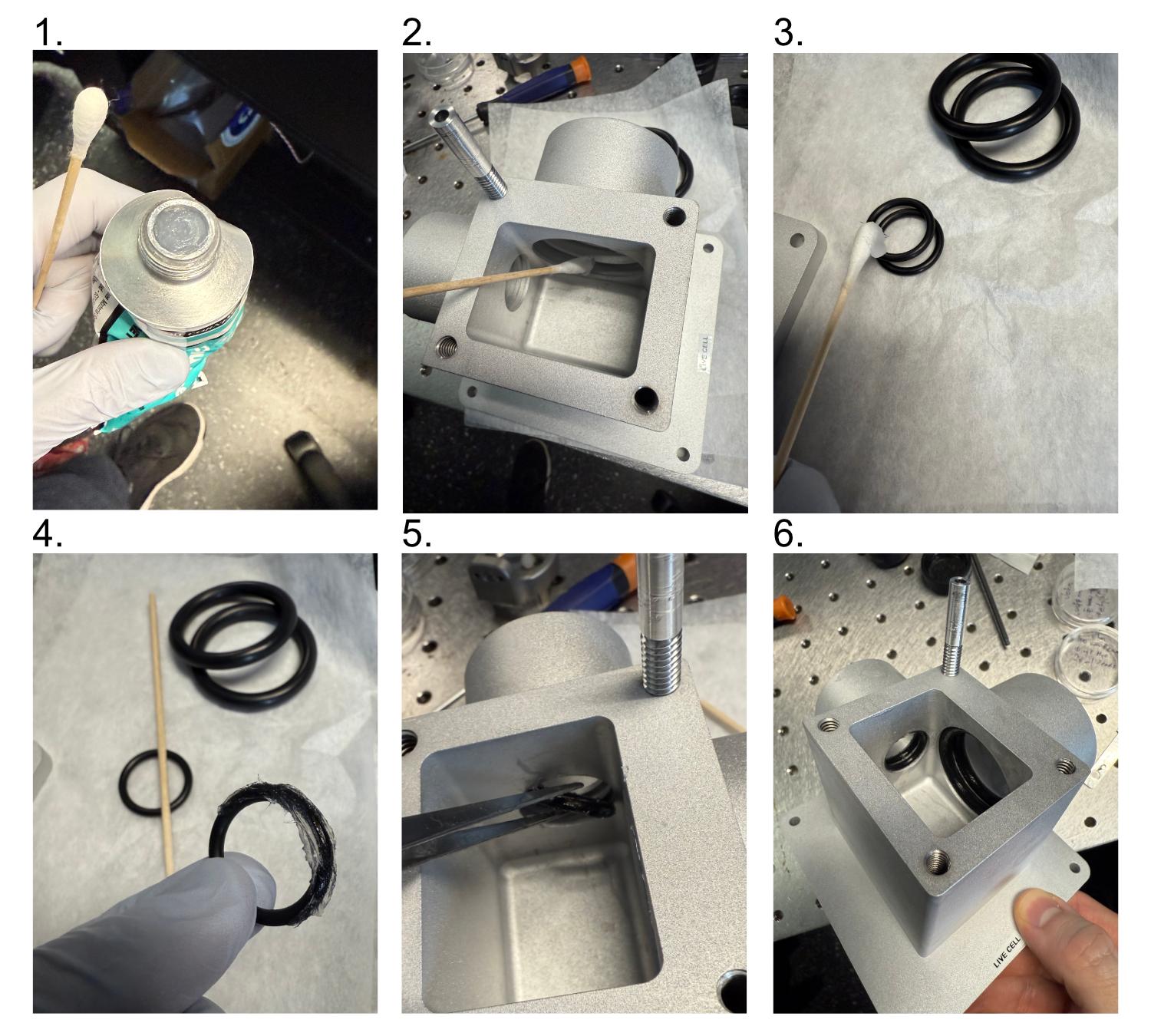
- Use clean lubrication equipment
Use Proper Sealing Systems
Effective seals help prevent:
- Dust ingress
- Water ingress
- Chemical contamination
Follow Scheduled Maintenance
Regular inspections should include:
- Bearing temperature
- Noise
- Vibration
- Grease appearance
- Seal condition
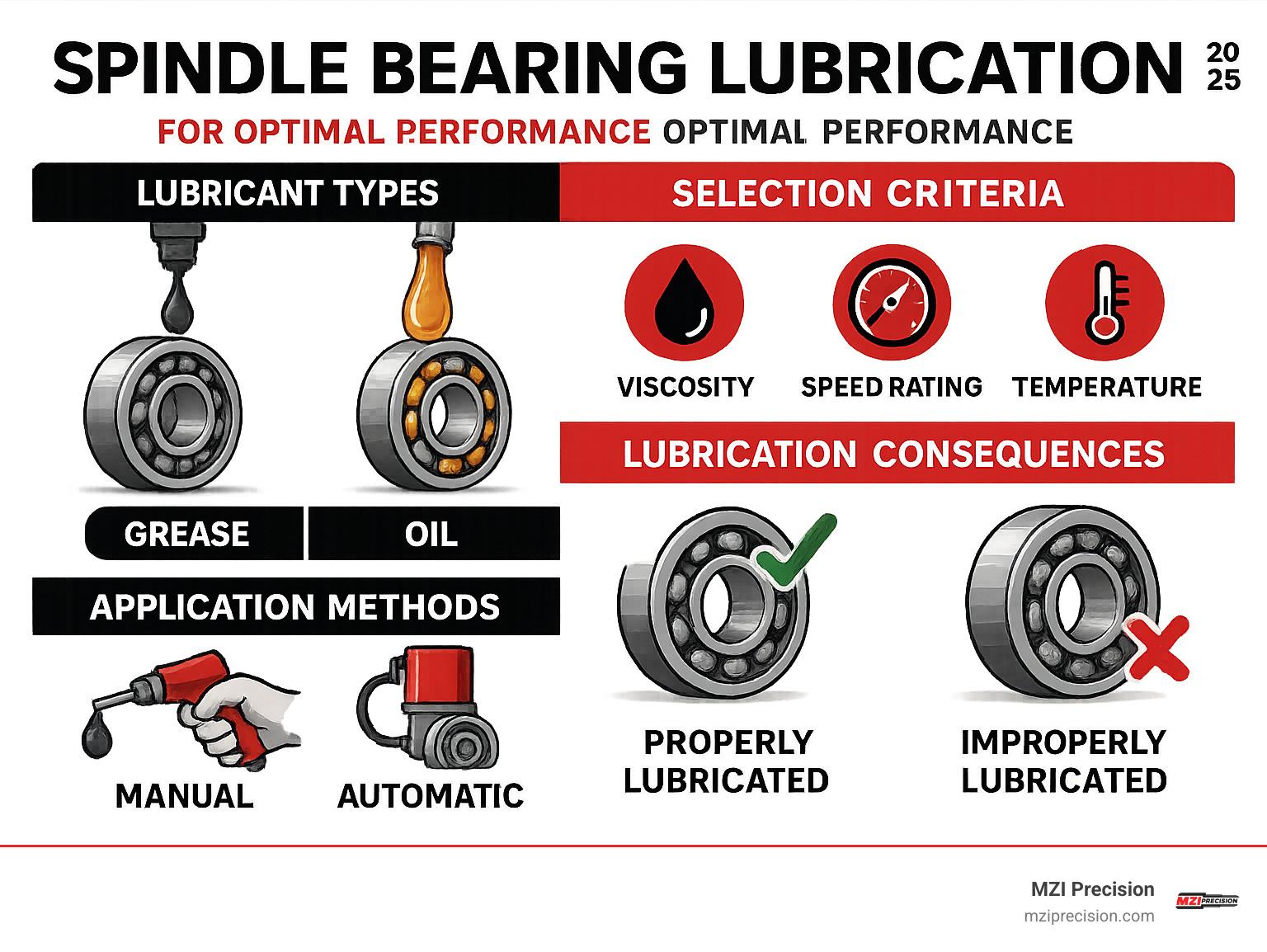
Select Grease for the Environment
Different operating conditions require different grease properties.
High-Speed Bearings
Recommended:
- Klüber ISOFLEX TOPAS NB 52
- NSK LR3
Heavy-Load Equipment
Recommended:
- Molykote BR2 Plus
- SKF LGEM 2
High-Temperature Applications
Recommended:
- Klüber PETAMO GHY 133N
- Kyodo Yushi Multemp PS No.2
Wet and Corrosive Environments
Recommended:
- SKF LGWM 2
- OKS 422
Vacuum and Semiconductor Applications
Recommended:
PFPE-based greases, such as those used in vacuum and semiconductor equipment, where low outgassing and chemical inertness are essential.
Recommended Grease by Contamination Type
| Contamination Source | Recommended Products | Key Benefits |
|---|---|---|
| Dust | SKF LGEM 2, Molykote BR2 Plus | EP protection, wear resistance |
| Water | SKF LGWM 2, OKS 422 | Water washout resistance |
| High Temperature | Klüber PETAMO GHY 133N | Oxidation resistance |
| High Speed | Klüber ISOFLEX TOPAS NB 52, NSK LR3 | Low friction, high-speed stability |
| Chemical Exposure | PFPE-based grease | Chemical inertness, low volatility |
Note: The final grease selection should consider equipment specifications, operating temperature, speed, load, environmental conditions, and compatibility requirements.
Frequently Asked Questions
Can contaminated grease be reused?
No. Once grease is heavily contaminated with dust, water, or metal particles, it should generally be replaced rather than reused.
Is water contamination always visible?
Not necessarily. Moisture can exist inside grease without obvious visual changes. Regular inspection and condition monitoring are recommended for equipment operating in humid or wet environments.
What is the best way to prevent grease contamination?
Maintain clean lubrication practices, use effective seals, store grease correctly, inspect equipment regularly, and select grease suitable for the operating environment.
Conclusion
Contamination is one of the leading causes of grease degradation and premature bearing failure. By controlling dust, water, metal particles, and chemical exposure, and by selecting the right industrial grease for each application, maintenance teams can significantly improve equipment reliability, extend bearing life, and reduce unplanned downtime.
Electric Motor Grease Noise: Causes and Solutions
Common Industrial Equipment Lubrication Mistakes and Solutions
Related Article