High Temperature Grease Application Guide for Injection Molding Molds
1. Background
Injection molding molds operate under continuous high-temperature and high-load conditions. During production, mold components such as guide pins, ejector pins, sliders, and locking mechanisms are repeatedly exposed to heat, pressure, and friction.
Without proper lubrication, these components are prone to sticking, accelerated wear, and unstable movement.
Selecting suitable high temperature mold grease is therefore a critical factor in maintaining mold reliability, reducing downtime, and extending service life.
2. Operating Conditions in Injection Molding Molds
Injection molds typically experience:
-
Elevated temperatures from heated plastic melt and mold heaters
-
Repeated sliding and reciprocating motion
-
Localized high contact pressure
-
Limited lubrication access during operation
Under these conditions, conventional lubricants may degrade quickly, leading to oil separation, residue formation, or loss of lubricating film. This makes proper injection molding lubrication essential for stable long-term operation.
3. Key Performance Requirements for High Temperature Grease
3.1 Thermal Stability
High temperature mold grease must maintain its structure and lubricating properties at elevated temperatures.
Good thermal stability helps prevent:
-
Grease hardening or carbonization
-
Excessive evaporation or oil bleed
-
Formation of sticky residues that cause component sticking
3.2 Anti-Wear and Load-Carrying Capability
Mold components often operate under high surface pressure. A suitable grease should form a stable lubricating film to reduce direct metal-to-metal contact.
Reliable plastic mold lubrication minimizes wear on guide pins, bushings, and sliders, helping maintain dimensional accuracy.
3.3 Anti-Stick Performance
At high temperatures, degraded grease can increase friction instead of reducing it.
Anti-stick properties ensure smooth movement of ejector pins and sliding components, especially during long production cycles.
3.4 Material and Process Compatibility
Grease used in injection molds should be compatible with:
-
Mold steels and surface coatings
-
Plastic materials used in molding
-
Production cleanliness requirements
Lubricants that migrate or release contaminants may affect part quality and should be avoided.
4. Typical Lubrication Points in Injection Molds
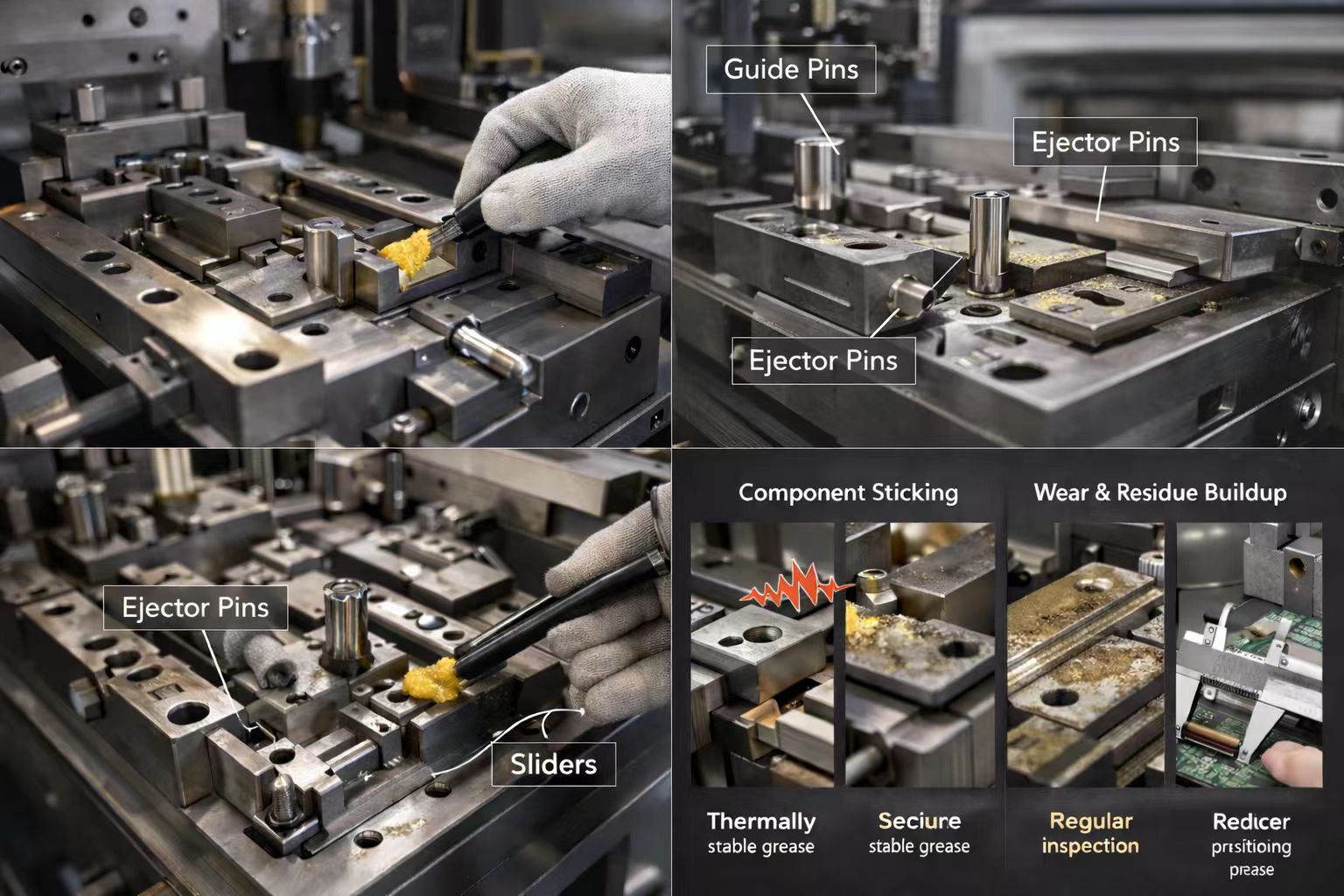
Common lubrication areas include:
-
Guide pins and guide bushings
-
Ejector pins and ejector plates
-
Sliders, lifters, and cams
-
Locking and alignment components
Each location may experience different temperatures and loads, requiring appropriate application of high temperature mold grease.
5. Grease Selection Considerations
Base Oil Type
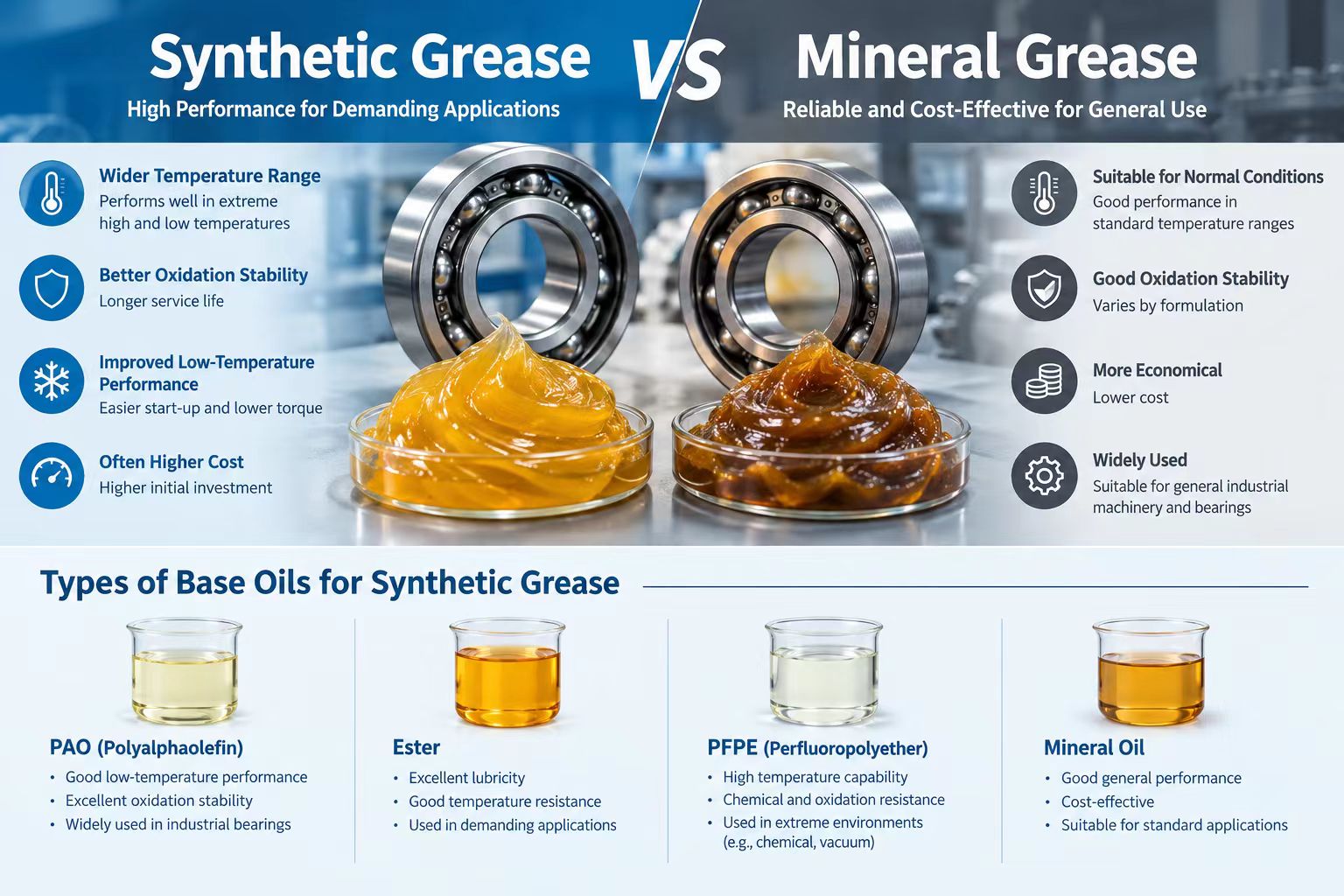
Synthetic base oils such as PAO, ester, or silicone-based oils are commonly used due to their superior heat resistance and oxidation stability.
Consistency (NLGI Grade)
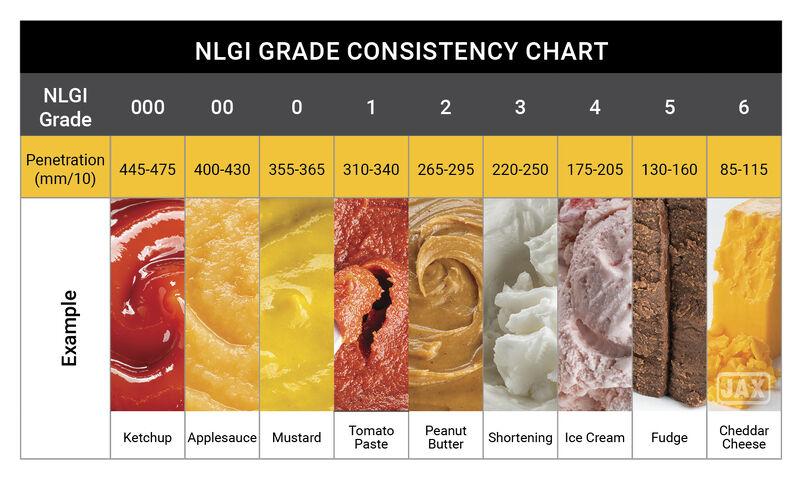
Medium consistency greases (typically NLGI 1–2) are often preferred to ensure the grease stays in place under thermal stress.
Solid Lubricants (Optional)
Some greases contain solid lubricants such as MoS₂ or PTFE to enhance anti-wear performance. These should be selected carefully to avoid surface contamination in precision molding processes.
6. Lubrication and Maintenance Practices
-
Controlled Application
Apply grease in thin, even layers. Excess grease can attract dust or migrate to molded parts. -
Regular Inspection
During scheduled mold maintenance, inspect grease condition for signs of discoloration, hardening, or residue. -
Cleaning Before Re-Lubrication
Remove degraded grease and debris before applying fresh lubricant to ensure effective injection molding lubrication.
7. Common Issues and Preventive Measures
| Issue | Likely Cause | Preventive Action |
|---|---|---|
| Component sticking | Grease degradation at high temperature | Use thermally stable high temperature mold grease |
| Accelerated wear | Insufficient lubrication | Improve lubrication frequency and coverage |
| Residue buildup | Poor heat resistance or over-application | Select low-residue grease and control dosage |
8. Conclusion
High temperature grease plays a vital role in injection mold performance and durability. By selecting thermally stable lubricants and applying proper maintenance practices, manufacturers can significantly improve mold reliability, reduce wear, and ensure consistent production quality through effective plastic mold lubrication.
Long-Life Lubrication Strategies for Industrial Ball Screws
Linear Guide Lubrication Selection and Maintenance Practices for SMT Equipment
Related Article