Grease Carbonization in Continuous High-Temperature Operation: Causes and Solutions
In industrial applications such as injection molding, drying systems, high-temperature conveyors, and electric motors, equipment often operates under continuous high-temperature conditions. One of the most common lubrication failures in these environments is grease carbonization.
Carbonized grease leads to increased friction, component sticking, and premature equipment failure. Understanding its causes and implementing effective solutions is critical for maintaining stable operation.
1. What Is Grease Carbonization?
Grease carbonization refers to the thermal degradation of lubricating grease at elevated temperatures, resulting in:
- Formation of hard carbon deposits
- Loss of base oil
- Thickener breakdown
- Residue accumulation on component surfaces
This process significantly reduces lubrication performance and can lead to mechanical failure.
2. Main Causes of Grease Carbonization
2.1 Excessive Operating Temperature
When operating temperature exceeds the grease’s thermal limit:
- Base oil evaporates or oxidizes
- Additives degrade
- Residues form rapidly
Continuous exposure accelerates carbon buildup.
2.2 Poor Thermal Stability of Grease
Low-quality or unsuitable grease may:
- Break down under heat
- Produce high residue
- Lose lubricating properties quickly
Greases not designed for high-temperature use are especially prone to carbonization.
2.3 Over-Lubrication
Excess grease can:
- Increase internal friction
- Generate additional heat
- Accelerate thermal degradation
Thick grease layers are more likely to carbonize under high temperatures.
2.4 Inadequate Relubrication
Without proper relubrication:
- Fresh grease is not supplied
- Degraded grease accumulates
- Carbon deposits increase over time
2.5 Contamination
Foreign particles and degraded residues can:
- Act as catalysts for oxidation
- Increase localized heat
- Accelerate grease breakdown
3. Effects of Carbonized Grease
Grease carbonization can lead to:
- Increased friction and energy consumption
- Component sticking (e.g., ejector pins, slides)
- Abnormal noise and vibration
- Reduced lubrication life
- Equipment downtime
In precision systems, even minor carbon buildup can significantly affect performance.
4. Engineering Solutions
4.1 Select High-Temperature Resistant Grease
Recommended characteristics:
- High thermal stability
- Low evaporation loss
- Low residue formation
- Strong oxidation resistance
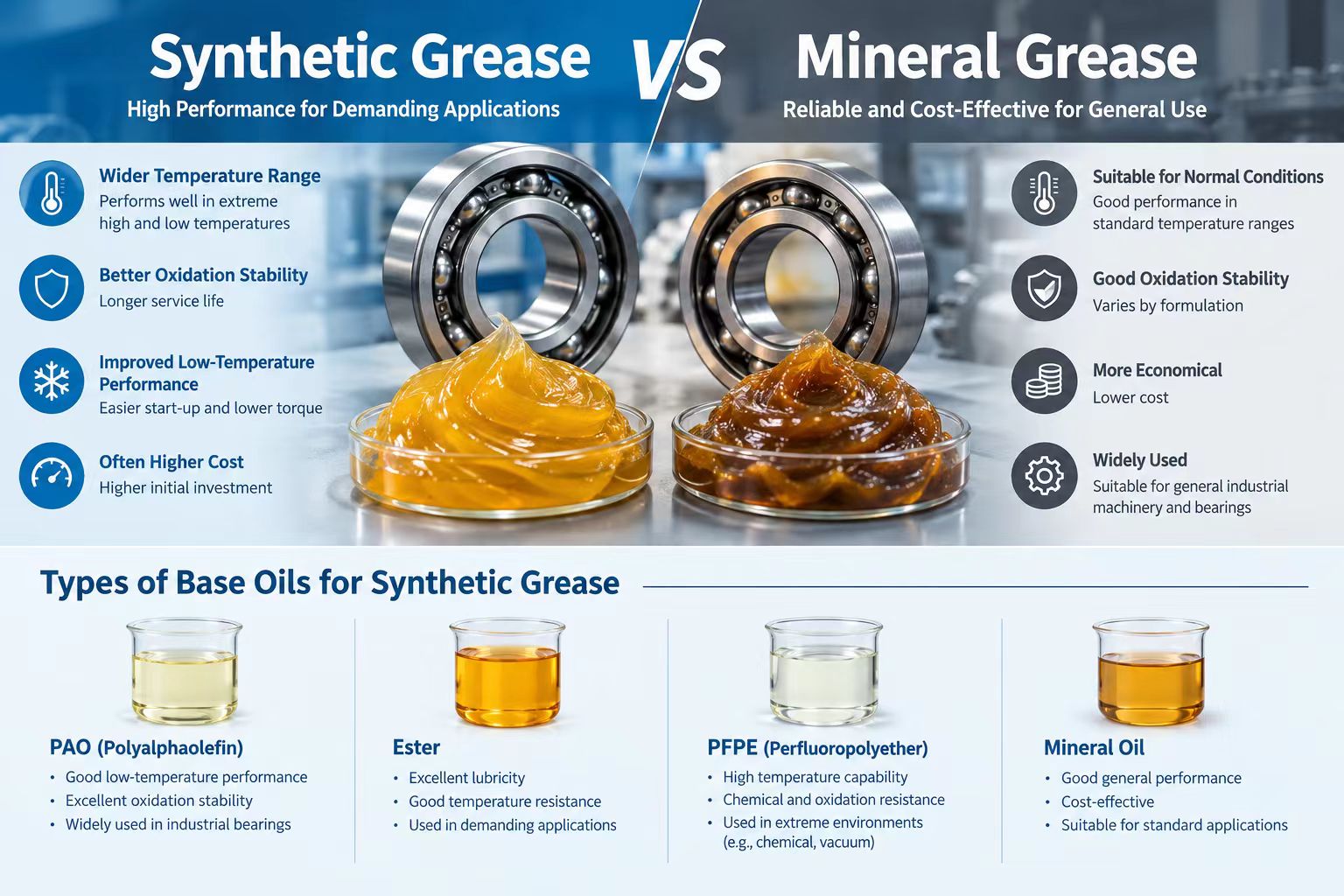
Synthetic lubricants are generally more suitable for high-temperature environments.
4.2 Control Lubrication Quantity
- Avoid over-lubrication
- Apply correct grease volume
- Ensure even distribution
Proper lubrication reduces heat generation and prevents buildup.
4.3 Optimize Relubrication Intervals
- Increase relubrication frequency
- Remove degraded grease
- Maintain fresh lubricant supply
4.4 Improve Equipment Cooling and Design
- Enhance heat dissipation
- Reduce localized hot spots
- Improve airflow or cooling systems
4.5 Regular Cleaning and Maintenance
- Remove carbon deposits periodically
- Clean lubrication points
- Inspect components for residue buildup
5. Typical Applications Affected
Grease carbonization is common in:
- Injection mold ejector systems
- High-temperature bearings
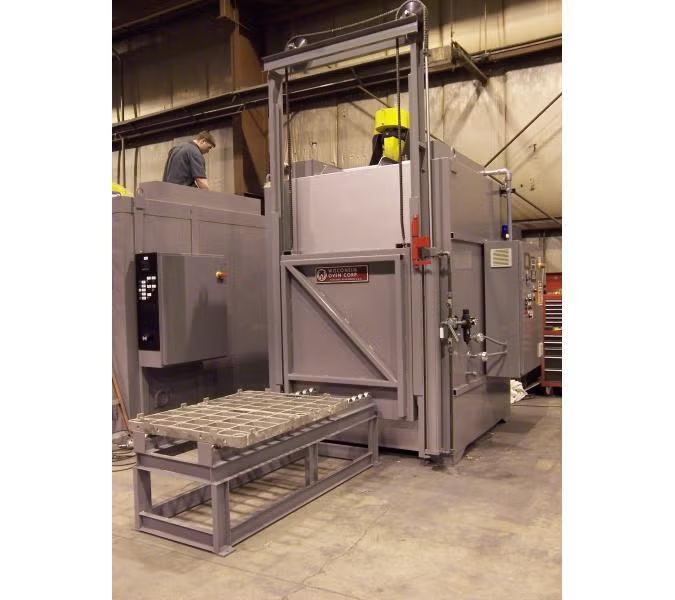
- Industrial ovens and drying equipment
- Conveyor chains in heat environments
These applications require specialized lubrication strategies.
Conclusion
Grease carbonization is a major challenge in continuous high-temperature operation. It results from excessive heat, poor lubricant selection, over-lubrication, and inadequate maintenance.
By selecting the right grease, controlling lubrication practices, and implementing proper maintenance strategies, manufacturers can significantly reduce carbonization risks and improve equipment reliability.
Effective lubrication management is essential for long-term performance in high-temperature industrial systems.
Common Causes of Gearbox Lubrication Failure and Preventive Measures
Case Study: Positioning Errors Caused by Insufficient Lubrication in Precision Linear Guides
Related Article