Common Causes of Lubrication Failure at High Speed
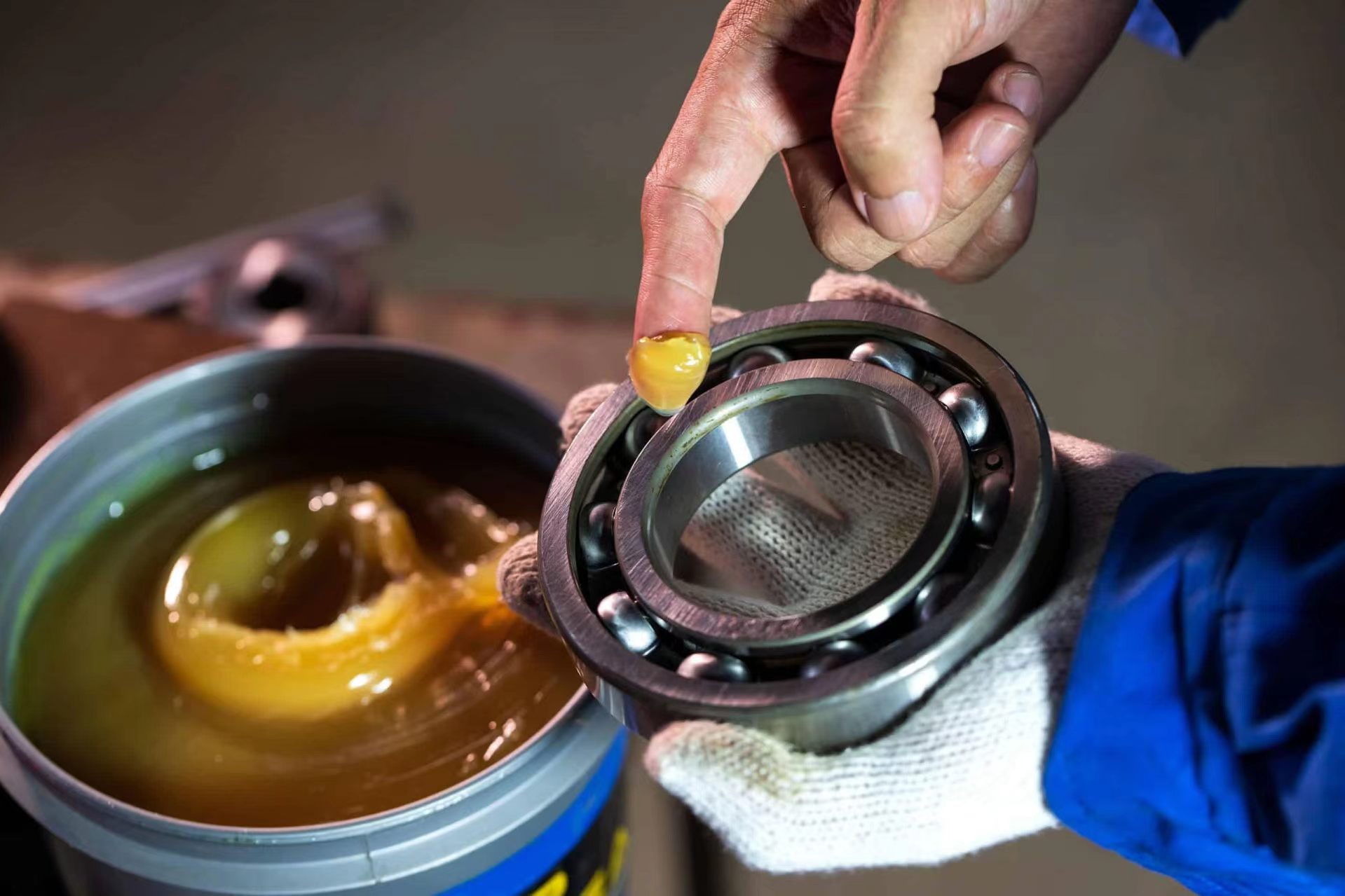
High-speed rotating equipment places extreme demands on lubrication systems. Bearings operating at high rotational speeds generate significant frictional heat, centrifugal forces, and mechanical stress, making proper grease selection critical.
Even when lubrication is present, high-speed bearings may still experience failure due to incorrect grease selection, excessive temperature, oil separation, or improper maintenance.
This article explains the major causes of high speed lubrication failure and provides practical solutions for improving bearing reliability.
1. Incorrect Grease Selection
The most common cause of high-speed lubrication problems is using grease that is not designed for high rotational speeds.
General-purpose grease may cause:
- Excessive friction
- Increased torque
- Temperature rise
- Shortened bearing life
High-speed bearings require grease with:
- Low friction characteristics
- Good mechanical stability
- Low oil separation
- Excellent oxidation resistance
Recommended Products
For high-speed bearings:
- Klüber ISOFLEX TOPAS NB 52
Suitable for:
- CNC spindle bearings
- Precision equipment
- High-speed electric motors
- NSK LR3
Suitable for:
- Bearing applications
- Electric motors
- Precision machinery
2. Excessive Operating Temperature
High-speed rotation generates heat due to:
- Rolling friction
- Internal grease resistance
- Bearing load
Excessive temperature accelerates:
- Base oil oxidation
- Grease hardening
- Additive degradation
Symptoms include:
- Bearing temperature increase
- Grease discoloration
- Noise increase
- Shortened lubrication life
Solution
Select grease with:
- High thermal stability
- Low evaporation characteristics
- Strong oxidation resistance
Recommended:
- Klüber PETAMO GHY 133N
3. Excessive Grease Filling
More grease does not mean better lubrication.
At high speeds, excessive grease can increase resistance inside the bearing.
Consequences:
- Higher friction
- Temperature increase
- Grease churning
- Energy loss
Best Practice
Follow the manufacturer's recommended filling quantity.
High-speed bearings often require a lower grease filling ratio compared with low-speed applications.
4. Grease Separation and Oil Loss
Under high-speed rotation, centrifugal forces can accelerate grease separation.
Possible results:
- Base oil leakage
- Dry grease residue
- Reduced lubrication film
- Bearing wear
Factors that increase oil separation:
- High temperature
- Poor grease stability
- Excessive mechanical shear
5. Mechanical Shear Breakdown
High-speed bearings continuously apply mechanical forces to grease.
Over time, poor-quality grease may experience:
- Thickener structure breakdown
- Consistency changes
- Reduced lubrication performance
A suitable high-speed grease should maintain stable structure under continuous shear.
6. Incorrect Base Oil Viscosity
Base oil viscosity directly affects bearing performance.
Too High Viscosity
May cause:
- Increased friction
- Higher temperature
- Energy loss
Too Low Viscosity
May cause:
- Insufficient oil film
- Metal contact
- Accelerated wear
High-speed applications usually require carefully selected low-to-medium viscosity base oils.
7. Contamination
High-speed bearings are sensitive to contamination.
Common contaminants:
- Dust
- Metal particles
- Water
- Process chemicals
Contamination can damage:
- Rolling elements
- Raceway surfaces
- Lubrication film
Prevention
- Maintain clean lubrication conditions
- Use sealed bearing systems
- Avoid contaminated grease
8. Improper Bearing Installation
Lubrication cannot compensate for mechanical installation problems.
Common issues:
- Excessive preload
- Incorrect clearance
- Shaft misalignment
- Improper mounting
Results:
- Abnormal vibration
- Increased friction
- Higher operating temperature
Recommended Grease Selection for High-Speed Applications
| Application | Recommended Grease | Features |
|---|---|---|
| CNC spindle bearings | Klüber ISOFLEX TOPAS NB 52 | Low friction, high-speed stability |
| Precision bearings | NSK LR3 | Stable performance, low noise |
| High-temperature motors | Klüber PETAMO GHY 133N | Oxidation resistance |
| Long-life bearing applications | Kyodo Yushi Multemp SRL | Long service life |
| Special extreme environments | PFPE grease | High temperature and chemical resistance |
Best Practices for High-Speed Lubrication
Select Grease According to Speed
Consider:
- RPM
- Bearing type
- Operating temperature
- Load conditions
Control Grease Quantity
Avoid:
- Excessive filling
- Incorrect relubrication frequency
Monitor Operating Conditions
Regularly check:
- Bearing temperature
- Vibration
- Noise
- Grease condition
Avoid Mixing Different Greases
Different grease formulations may cause:
- Oil separation
- Hardening
- Softening
- Lubrication failure
Always verify compatibility before changing grease.
Frequently Asked Questions
Why does grease fail faster in high-speed bearings?
Because high-speed operation increases heat, mechanical shear, and centrifugal forces, accelerating grease degradation.
Can ordinary industrial grease be used for high-speed bearings?
Generally not recommended. High-speed bearings require grease specifically designed for low friction and thermal stability.
Does adding more grease improve high-speed bearing lubrication?
No. Excess grease usually increases friction and temperature, which may accelerate bearing failure.
Conclusion
High-speed lubrication failure is usually caused by improper grease selection, excessive temperature, grease overfilling, oil separation, contamination, or mechanical issues.
Choosing the correct high speed bearing grease and maintaining proper lubrication practices can significantly improve equipment reliability, reduce downtime, and extend bearing service life.
Common Industrial Equipment Lubrication Mistakes and Solutions
Grease Oil Separation: Causes, Effects and Prevention
Related Article