Why High-Speed Equipment Should Use Low NLGI Grade Grease
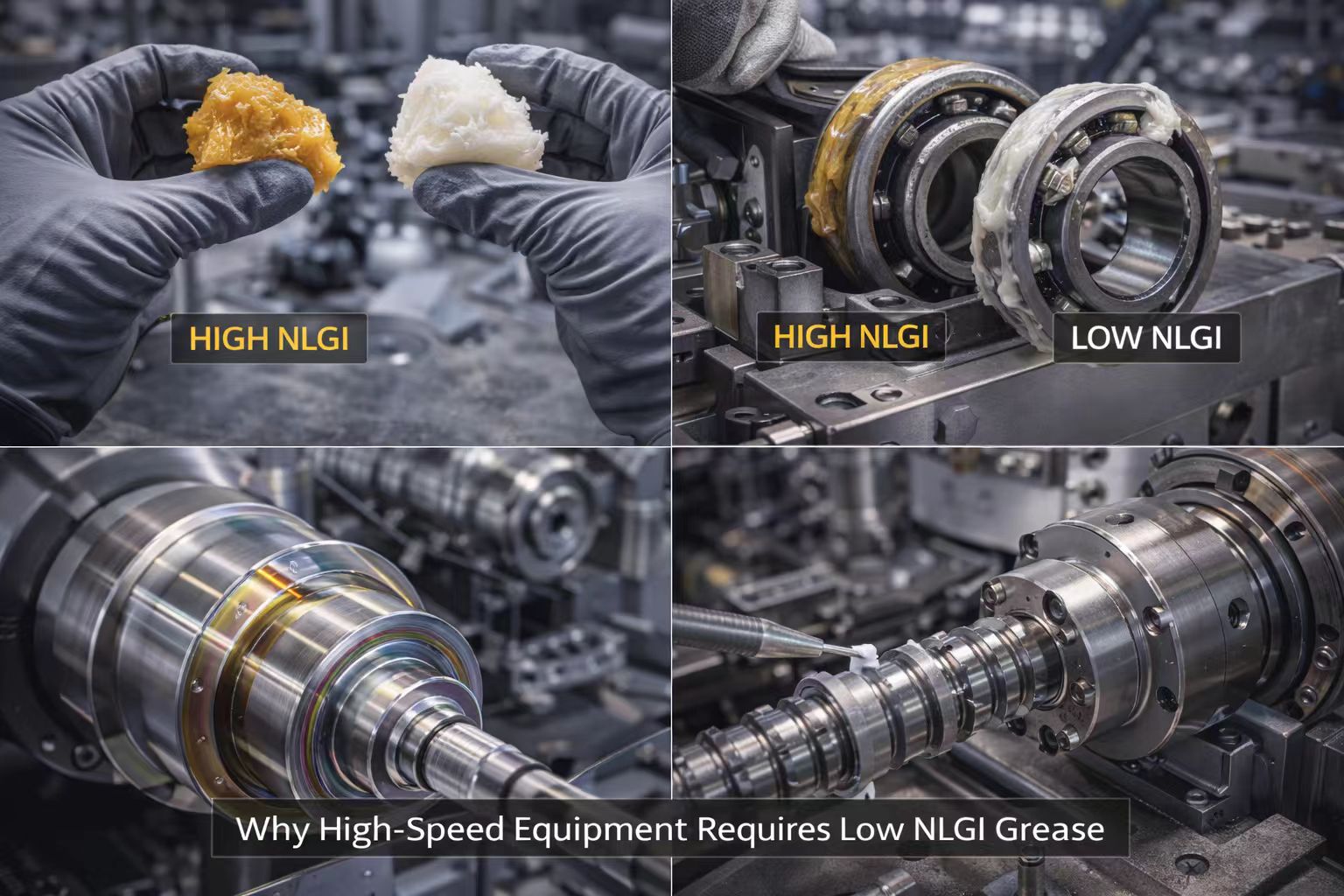
In high-speed applications such as electric spindles, SMT placement machines, precision ball screws, and servo systems, grease consistency (NLGI grade) directly affects torque, temperature rise, energy consumption, and bearing life.
From a tribological and rheological standpoint, high-speed equipment generally performs better with lower NLGI grade grease (e.g., NLGI 0, 1, or soft 2).
1. What Is NLGI Grade?
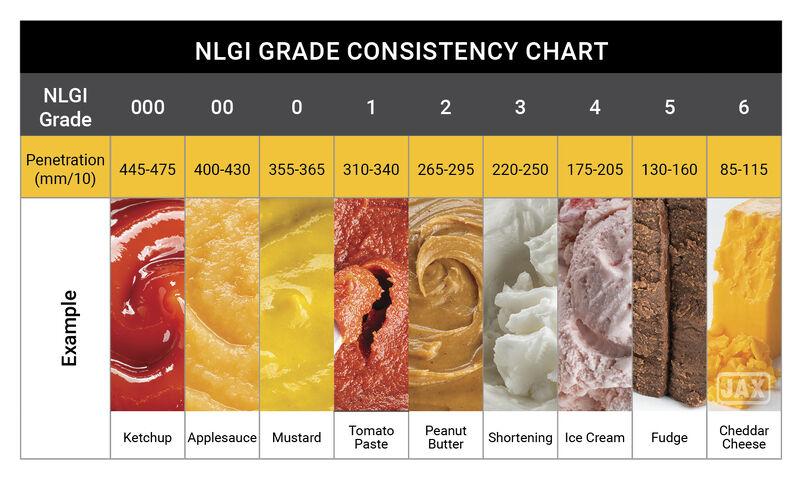
NLGI (National Lubricating Grease Institute) defines grease consistency based on worked penetration.
-
NLGI 000–0 → Semi-fluid
-
NLGI 1 → Soft
-
NLGI 2 → Medium (most common)
-
NLGI 3+ → Firm
Lower NLGI number = softer grease = better flow characteristics.
2. Lubrication Challenges in High-Speed Applications
High-speed systems are primarily affected by:
-
Shear heating
-
High starting torque
-
Churning losses
-
Oil separation instability
-
Inconsistent lubricant film formation
These factors are closely related to grease flow behavior and shear resistance.
3. Technical Reasons for Selecting Lower NLGI Grease
3.1 Reduced Churning Resistance
At high rotational speeds, grease is continuously displaced and sheared.
-
High NLGI → thicker structure → higher internal resistance
-
Low NLGI → easier displacement → lower drag
Result:
-
Lower operating temperature
-
Reduced energy consumption
-
Higher achievable speeds
3.2 Lower Starting Torque
Precision high-speed systems require minimal startup resistance.
Low NLGI grease:
-
Flows more easily
-
Reduces mechanical drag at startup
-
Improves positioning accuracy
Especially suitable for:
-
High-speed electric spindles
-
SMT placement heads
-
Precision linear guides and ball screws
3.3 Improved Heat Dissipation
Heat in high-speed bearings is generated by:
-
Rolling friction
-
Internal grease shear
Lower NLGI grease:
-
Produces less internal shear resistance
-
Releases base oil more effectively
-
Promotes stable lubrication film formation
This helps prevent:
-
Bearing discoloration (overheating)
-
Accelerated oxidation
-
Premature grease hardening
3.4 Better Performance at High DN Values
DN value = Bearing bore diameter (mm) × RPM
When DN exceeds 300,000, typical recommendations include:
-
Lower NLGI grade
-
Lower base oil viscosity
-
High-speed-specific grease formulations
Common applications:
-
CNC spindles
-
SMT equipment
-
High-speed cooling fans
4. What Happens If NLGI Is Too High?
Using overly stiff grease in high-speed systems may cause:
-
Excessive temperature rise
-
Increased noise
-
Speed limitations
-
Energy loss
-
Shortened bearing life
In automated production lines, this leads to:
-
Higher maintenance frequency
-
Unplanned downtime
-
Reduced production stability
5. Is Lower Always Better?
No.
Grease that is too soft can result in:
-
Poor sealing capability
-
Grease leakage or fling-off
-
Reduced vibration resistance
-
Insufficient film thickness under heavy load
Final selection should consider:
-
Rotational speed
-
Load conditions
-
Operating temperature
-
Mounting orientation (horizontal/vertical)
-
Relubrication interval
6. Practical Selection Guidelines
| Application | Recommended NLGI |
|---|---|
| High-speed spindle | 1 or soft 2 |
| SMT placement system | 1 |
| Precision ball screw | 1–2 |
| Small high-speed bearing | 1 |
| Heavy-load low-speed gearbox | 2–3 |
Engineering Conclusion
High-speed lubrication is not about using “more grease” or “thicker grease.” It is about:
-
Controlling churning losses
-
Minimizing temperature rise
-
Maintaining a stable lubrication film
-
Reducing frictional energy consumption
For these reasons, lower NLGI grade grease is typically the optimal choice for high-speed equipment.
If needed, I can also provide:
-
DN value vs. base oil viscosity reference chart
-
High-speed spindle grease selection matrix
-
SMT equipment lubrication optimization guide
-
Comparative analysis of different high-speed grease technologies
Impact and Control of Grease Evaporation Loss Under High-Temperature Conditions
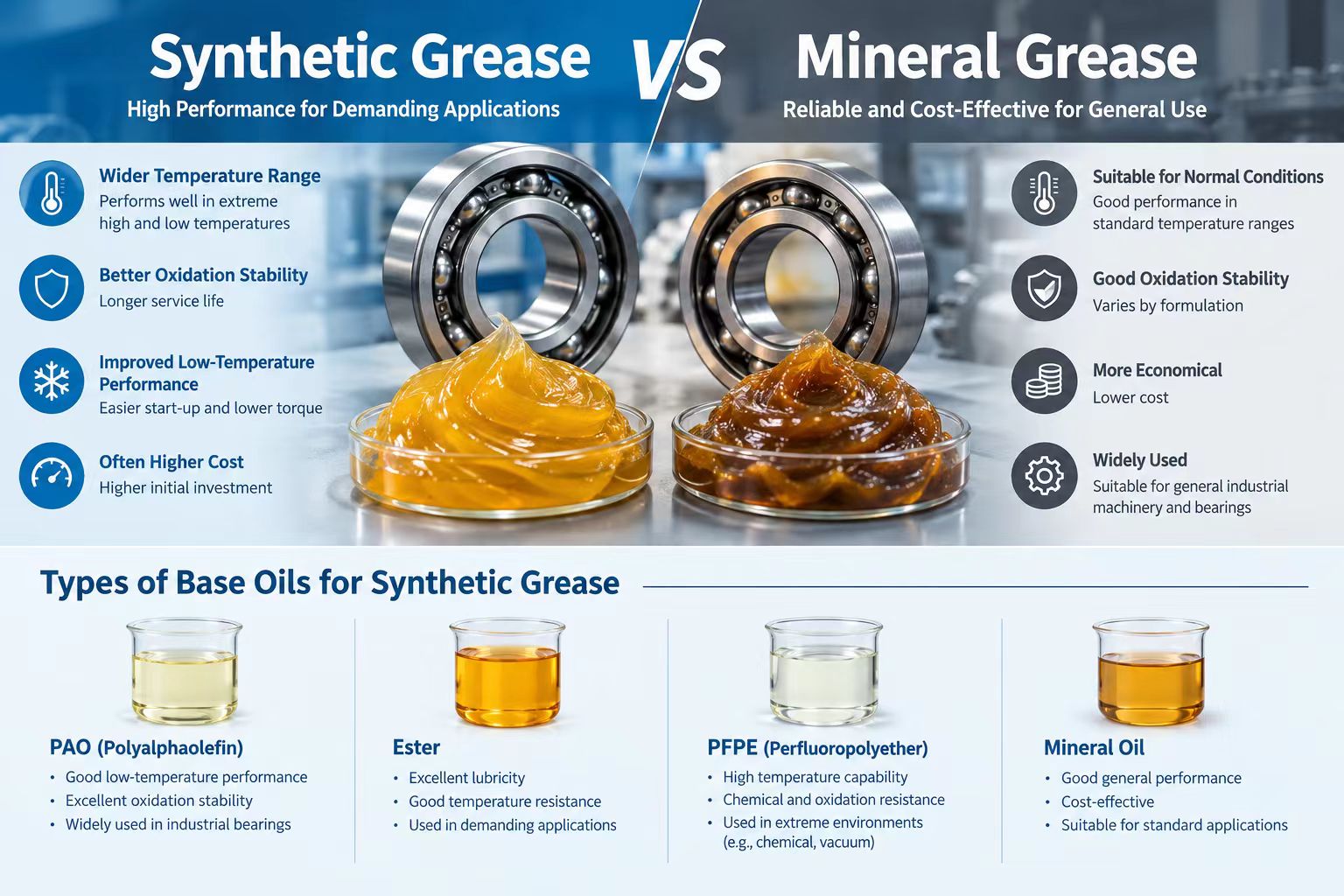
Differences Between Mineral Oil, Synthetic Oil, and PFPE in Industrial Lubrication
Related Article