Lubrication Management Practices for High-Load Gear Reducers
1. Introduction
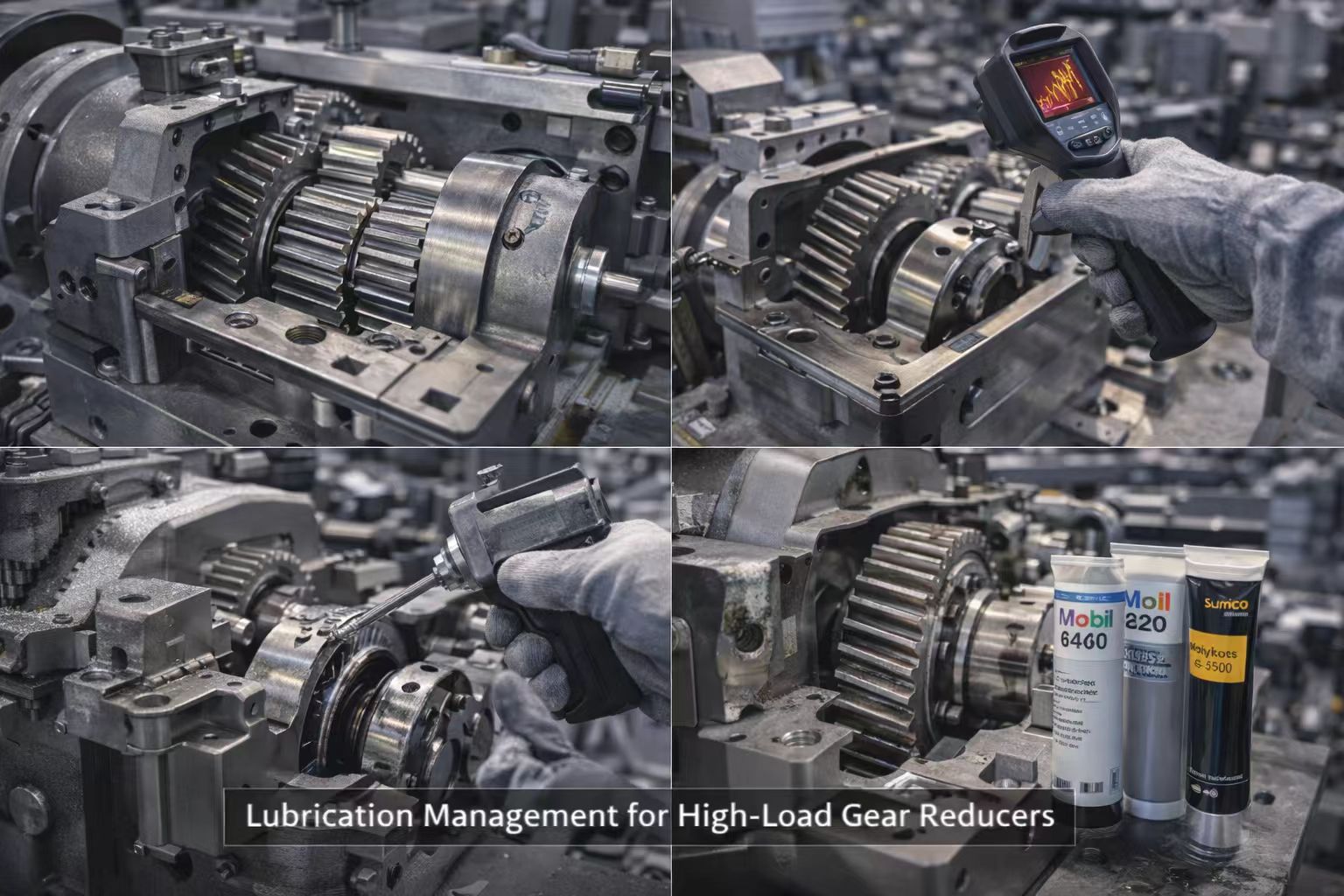
Gear reducers are critical components in industrial automation systems, injection molding machines, conveyors, and heavy-duty production equipment. These systems operate under continuous load and torque transmission, making effective lubrication essential for reliability and longevity. Proper gear reducer lubrication management directly affects operational efficiency, equipment stability, and maintenance intervals.
Without appropriate lubrication control, reducers may experience excessive wear, increased friction, overheating, and premature failure.
2. Operating Conditions of High-Load Gear Reducers
High-load gear reducers operate under demanding conditions, including:
-
High torque and continuous load transmission
-
Elevated contact pressure between gear teeth
-
Long operating cycles with minimal downtime
-
Exposure to heat, vibration, and environmental contaminants
These conditions require robust high load gearbox lubrication strategies to maintain gear surface protection and prevent mechanical degradation.
3. Common Lubrication-Related Problems
3.1 Gear Tooth Wear and Surface Fatigue
Insufficient or degraded lubrication can lead to direct metal-to-metal contact. This results in gear tooth wear, micropitting, and surface fatigue, reducing gear life and increasing vibration.
Proper gear reducer lubrication management helps maintain a protective oil film under heavy load conditions.
3.2 Overheating and Thermal Degradation
High-load operation generates heat due to friction. If lubrication performance declines, friction increases further, accelerating grease or oil degradation.
Effective industrial gearbox grease selection ensures thermal stability and consistent lubrication under elevated temperatures.
3.3 Lubricant Contamination
Dust, moisture, and metal particles can contaminate lubricants. Contaminated grease loses effectiveness and accelerates component wear.
Regular monitoring is essential for maintaining reliable high load gearbox lubrication.
3.4 Lubrication Starvation or Over-Lubrication
Both insufficient and excessive lubrication can negatively impact reducer performance. Proper lubrication quantity ensures optimal protection without increasing resistance or heat.
4. Key Lubrication Management Practices
4.1 Proper Lubricant Selection
Selecting the correct lubricant is the foundation of effective industrial gearbox grease selection. Important factors include:
-
Load carrying capacity
-
Thermal stability
-
Mechanical stability
-
Oxidation resistance
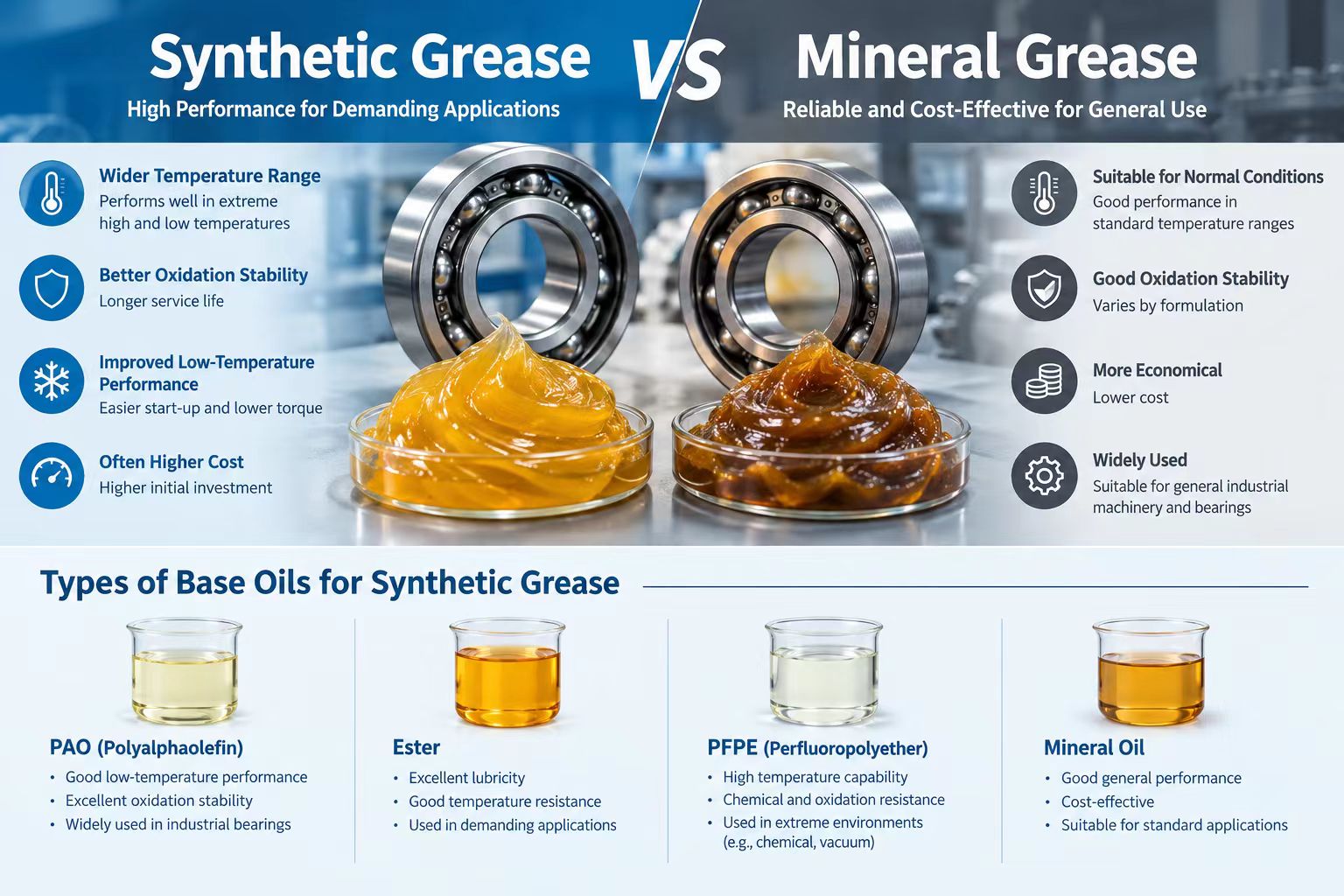
Synthetic greases are often preferred for high-load applications due to their stability and longer service life.
4.2 Regular Inspection and Monitoring
Routine inspection helps detect lubrication degradation early. Key indicators include:
-
Increased operating temperature
-
Abnormal noise or vibration
-
Grease discoloration or hardening
Early detection improves overall gear reducer lubrication management effectiveness.
4.3 Optimized Relubrication Intervals
Relubrication frequency should be based on operating conditions, load level, and environmental exposure. Proper scheduling ensures continuous protection and prevents premature wear.
This approach enhances the reliability of high load gearbox lubrication.
4.4 Contamination Control
Preventing contamination significantly extends lubricant and equipment life. Recommended practices include:
-
Maintaining proper sealing systems
-
Keeping lubrication points clean
-
Using clean lubrication tools
Clean lubrication environments support consistent industrial gearbox grease selection performance.
5. Benefits of Proper Lubrication Management
Effective lubrication management provides several operational advantages:
-
Extended reducer service life
-
Reduced mechanical wear
-
Improved transmission efficiency
-
Lower maintenance frequency
-
Reduced risk of unexpected downtime
These benefits contribute to improved productivity and reduced operational costs.
6. Conclusion
High-load gear reducers require careful lubrication management to ensure reliable operation and long service life. Proper gear reducer lubrication management, effective high load gearbox lubrication, and correct industrial gearbox grease selection play essential roles in protecting critical transmission components and maintaining stable industrial operations.
Grease Thickener Types and Their Impact on Equipment Performance
Low-Temperature Grease Application Guide for Precision Machinery
Related Article