Grease Thickener Types and Their Impact on Equipment Performance
1. Introduction
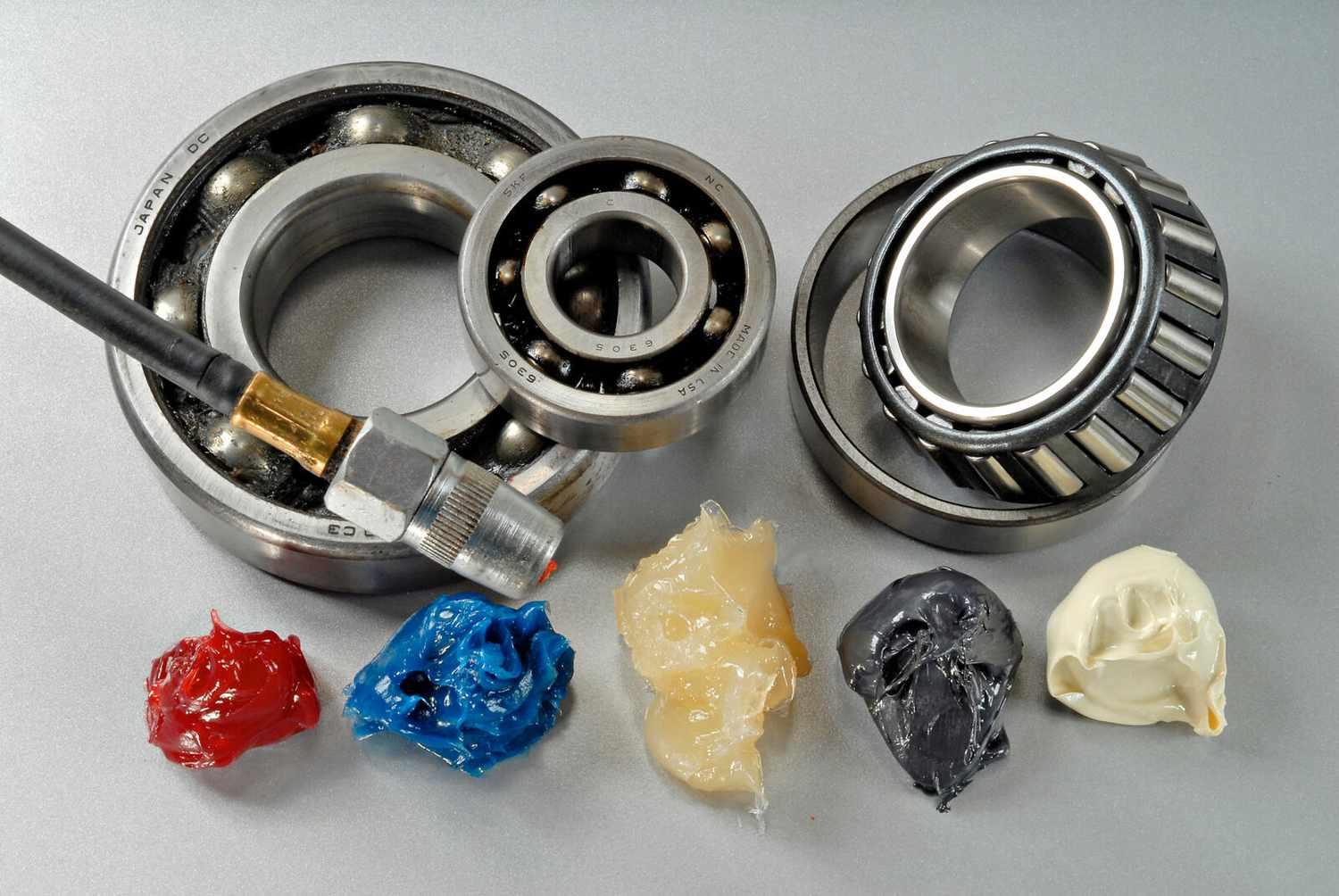
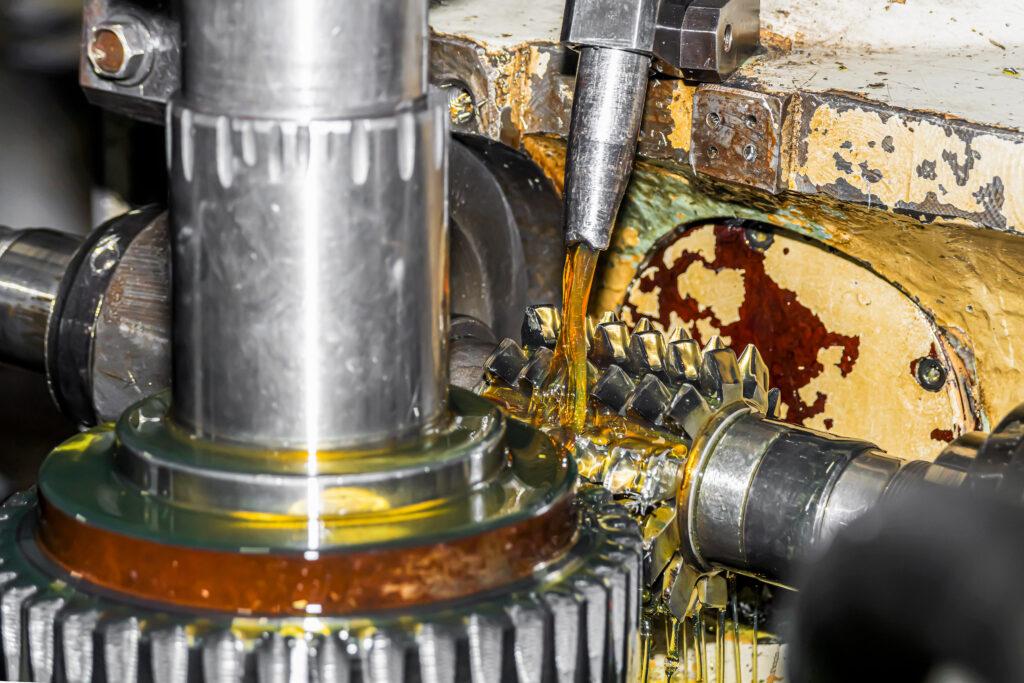
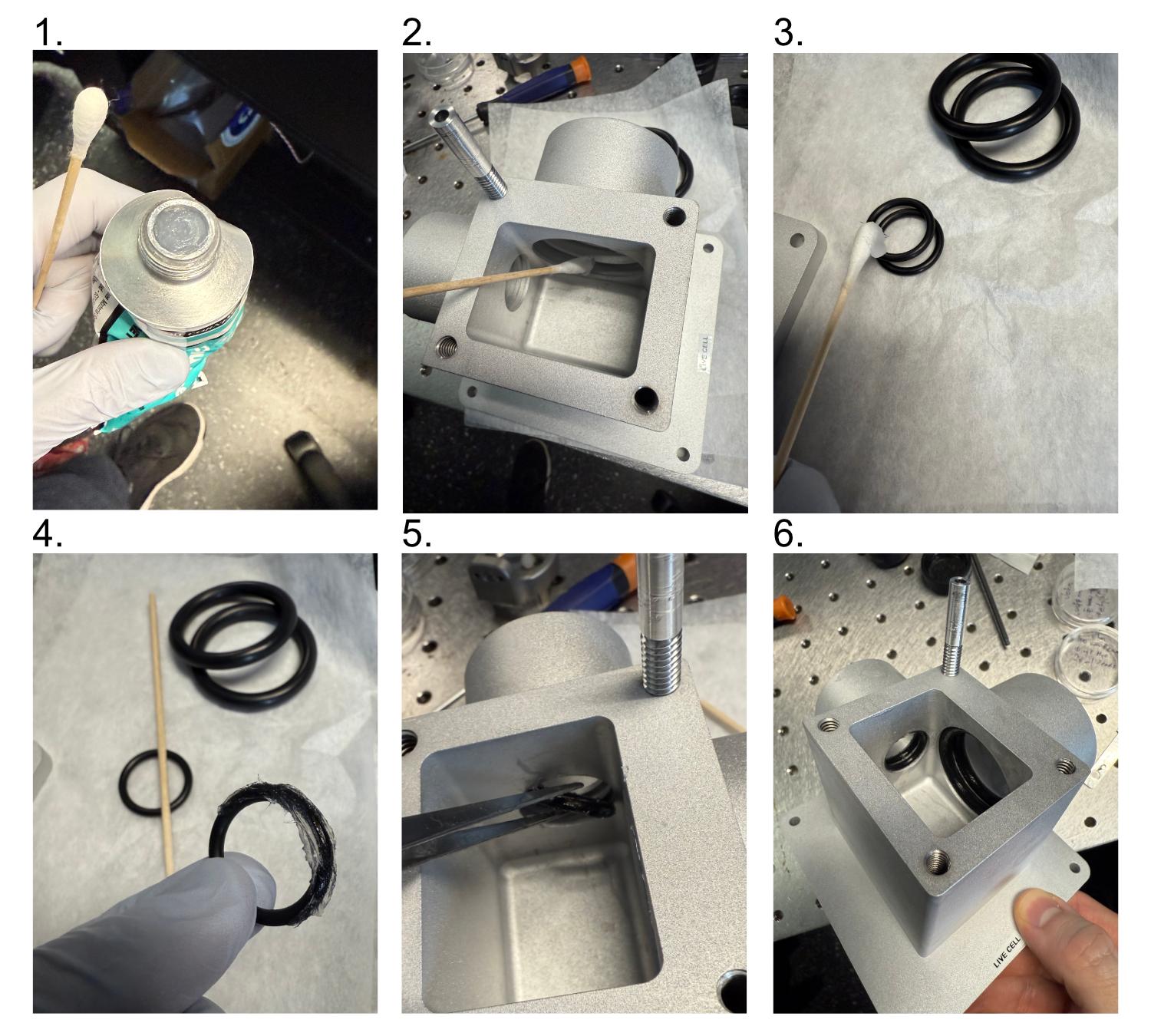
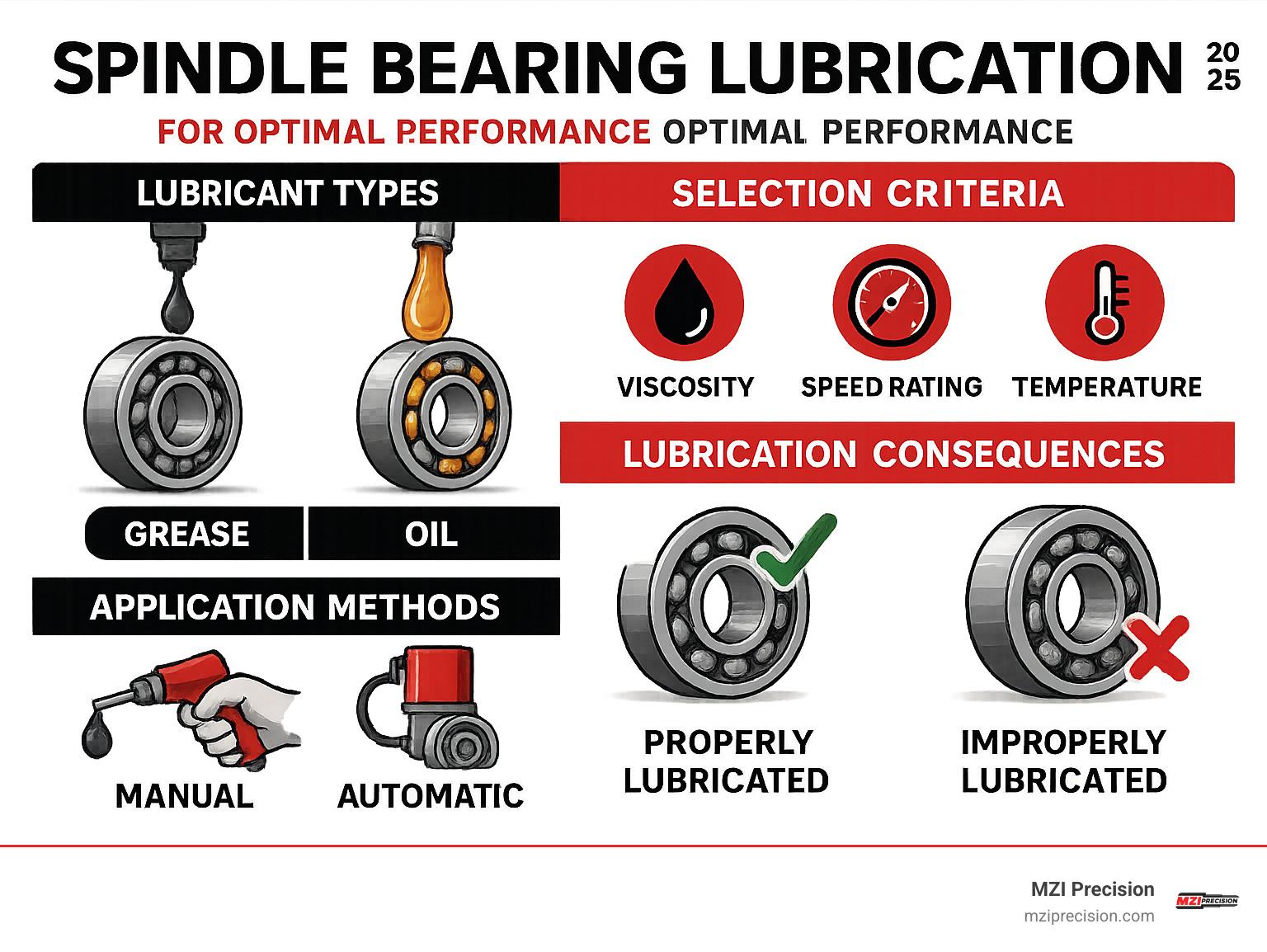
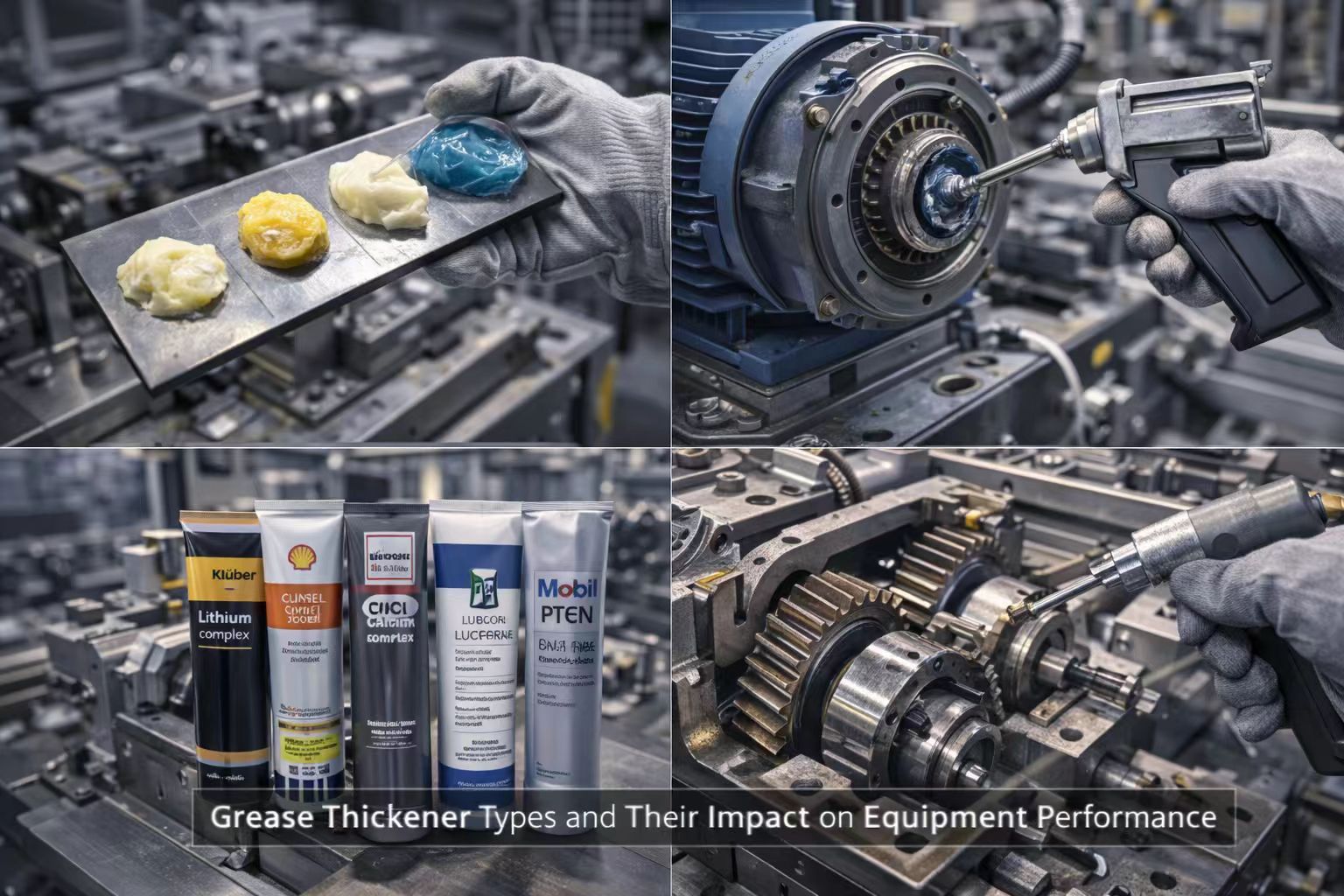
Grease performance is determined not only by the base oil but also by the thickener system, which plays a critical role in maintaining grease structure and delivering lubricant to moving surfaces. The thickener acts as a carrier that retains base oil and releases it gradually during operation.
Understanding different grease thickener types is essential for selecting the correct lubricant and ensuring reliable industrial grease performance in precision and heavy-duty machinery.
2. Function of Grease Thickeners
A thickener forms a semi-solid structure that holds the base oil in place. During operation, mechanical motion and temperature changes allow controlled oil release, creating a protective lubricating film between contact surfaces.
Proper thickener selection directly affects:
-
Mechanical stability
-
Temperature resistance
-
Water resistance
-
Load carrying capability
-
Long-term lubrication reliability
These factors influence overall lubrication reliability in machinery.
3. Common Grease Thickener Types and Characteristics
3.1 Lithium-Based Thickeners
Lithium grease is one of the most widely used types due to its balanced performance and versatility.
Key characteristics:
-
Good mechanical stability
-
Moderate temperature resistance
-
Good water resistance
-
Suitable for general industrial applications
Lithium-based greases are commonly used in bearings, motors, and automated systems requiring consistent industrial grease performance.
3.2 Lithium Complex Thickeners
Lithium complex greases offer improved thermal and load performance compared to standard lithium greases.
Advantages include:
-
Higher temperature resistance
-
Better load carrying capability
-
Improved oxidation stability
These greases are suitable for heavy-load and high-temperature applications requiring reliable lubrication reliability in machinery.
3.3 Polyurea Thickeners
Polyurea greases are widely used in precision and electric motor applications.
Key benefits include:
-
Excellent oxidation resistance
-
Long service life
-
Low noise performance
-
Good high-temperature stability
Polyurea-based grease thickener types are commonly used in SMT equipment, precision machinery, and sealed-for-life components.
3.4 Calcium and Calcium Complex Thickeners
Calcium-based greases provide excellent water resistance and corrosion protection.
Typical features include:
-
Superior water resistance
-
Good corrosion protection
-
Suitable for humid environments
They are often used in applications exposed to water or moisture where stable industrial grease performance is required.
3.5 PTFE and Specialty Thickeners
Specialty thickeners such as PTFE are used in demanding environments requiring chemical resistance or extreme temperature stability.
These greases are suitable for:
-
Cleanroom equipment
-
Semiconductor manufacturing
-
Precision automation systems
They provide superior lubrication reliability in machinery under specialized conditions.
4. Impact of Thickener Type on Equipment Performance
The thickener type directly affects several operational factors:
Mechanical Stability
Stable thickener structures maintain grease consistency under repeated mechanical stress.
Temperature Performance
Certain grease thickener types perform better under high or low temperature conditions.
Equipment Lifespan
Proper thickener selection helps reduce wear, extend maintenance intervals, and improve overall equipment life.
Lubrication Consistency
Consistent oil release ensures stable lubrication performance and protects precision components.
5. Selection Considerations for Industrial Applications
When selecting grease, consider:
-
Operating temperature range
-
Load and speed conditions
-
Environmental exposure (dust, moisture, chemicals)
-
Equipment design and lubrication method
Selecting the correct thickener improves industrial grease performance and enhances long-term lubrication reliability in machinery.
6. Conclusion
Grease thickener types play a fundamental role in determining lubrication performance, equipment protection, and service life. Understanding the characteristics of different thickener systems helps ensure proper grease selection and optimal equipment operation. Choosing the appropriate grease thickener types improves industrial grease performance and supports reliable lubrication reliability in machinery.
Differences Between Mineral Oil, Synthetic Oil, and PFPE in Industrial Lubrication
Lubrication Management Practices for High-Load Gear Reducers
Related Article