Grease Replacement Frequency and Timing
Lubricating grease plays a crucial role in industrial equipment, directly impacting operational efficiency and equipment lifespan. Improper storage or usage can lead to performance degradation and even equipment failure. The following outlines essential considerations for the storage and use of lubricating grease.
? Recommended Grease Replacement Intervals
The frequency of grease replacement depends on various factors, including equipment type, operating conditions, and the specific grease used. Here are general guidelines:
-
Standard Operating Conditions: For equipment operating under normal conditions, grease replacement is typically recommended every 3,000 to 5,000 hours of operation.
-
High-Temperature Environments: In environments where operating temperatures exceed 80°C (176°F), the grease replacement interval should be reduced. For every 10°C (18°F) increase above 80°C, the interval is generally shortened to two-thirds of the previous interval.
-
Contaminated or Moist Environments: In conditions with high contamination or moisture levels, more frequent grease replacement may be necessary to prevent equipment degradation.
? Indicators for Grease Replacement
Regular monitoring can help determine the optimal timing for grease replacement. Key indicators include:
-
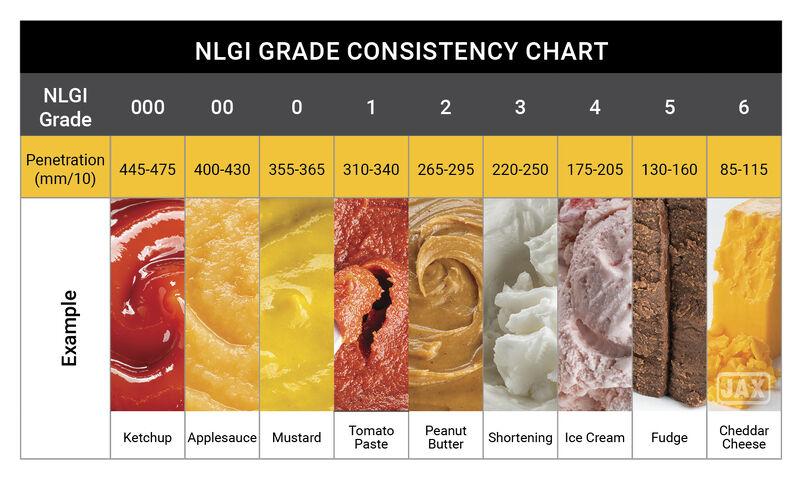
Visual Inspection: Changes in grease color, consistency, or the presence of contaminants indicate degradation.
-
Temperature Monitoring: An unexplained rise in operating temperature may suggest insufficient or degraded grease.
-
Noise and Vibration: Increased noise or vibration levels can be signs of inadequate lubrication.
-
Grease Analysis: Periodic laboratory analysis of grease samples can provide insights into its condition and suitability for continued use.
Calculating Grease Quantity and Frequency
Accurate calculation of grease quantity and replacement frequency is essential. A commonly used formula for determining the appropriate amount of grease for bearings is:
G = 0.005 × D × B
Where:
-
G = Grease quantity in gramsJ-STAGE+2Lubricants and Lubrication+2机械润滑+2
-
D = Bearing outside diameter in millimeters
-
B = Bearing width in millimeters
This formula provides a baseline; adjustments may be necessary based on specific operating conditions.
Best Practices for Grease Replacement
-
Use Appropriate Tools: Employ dedicated, clean tools for grease application to prevent contamination.
-
Avoid Over-Greasing: Excessive grease can lead to increased friction and heat, potentially damaging equipment.
-
Follow Manufacturer Guidelines: Always adhere to the equipment manufacturer's recommendations for grease type and replacement intervals.
-
Implement a Maintenance Schedule: Establish and follow a regular maintenance schedule to ensure timely grease replacement.
Causes and Solutions for Grease Contamination and Degradation
Key Considerations for Storing and Using Lubricating Grease
Related Article