Grease Oil Separation: Causes, Effects and Prevention
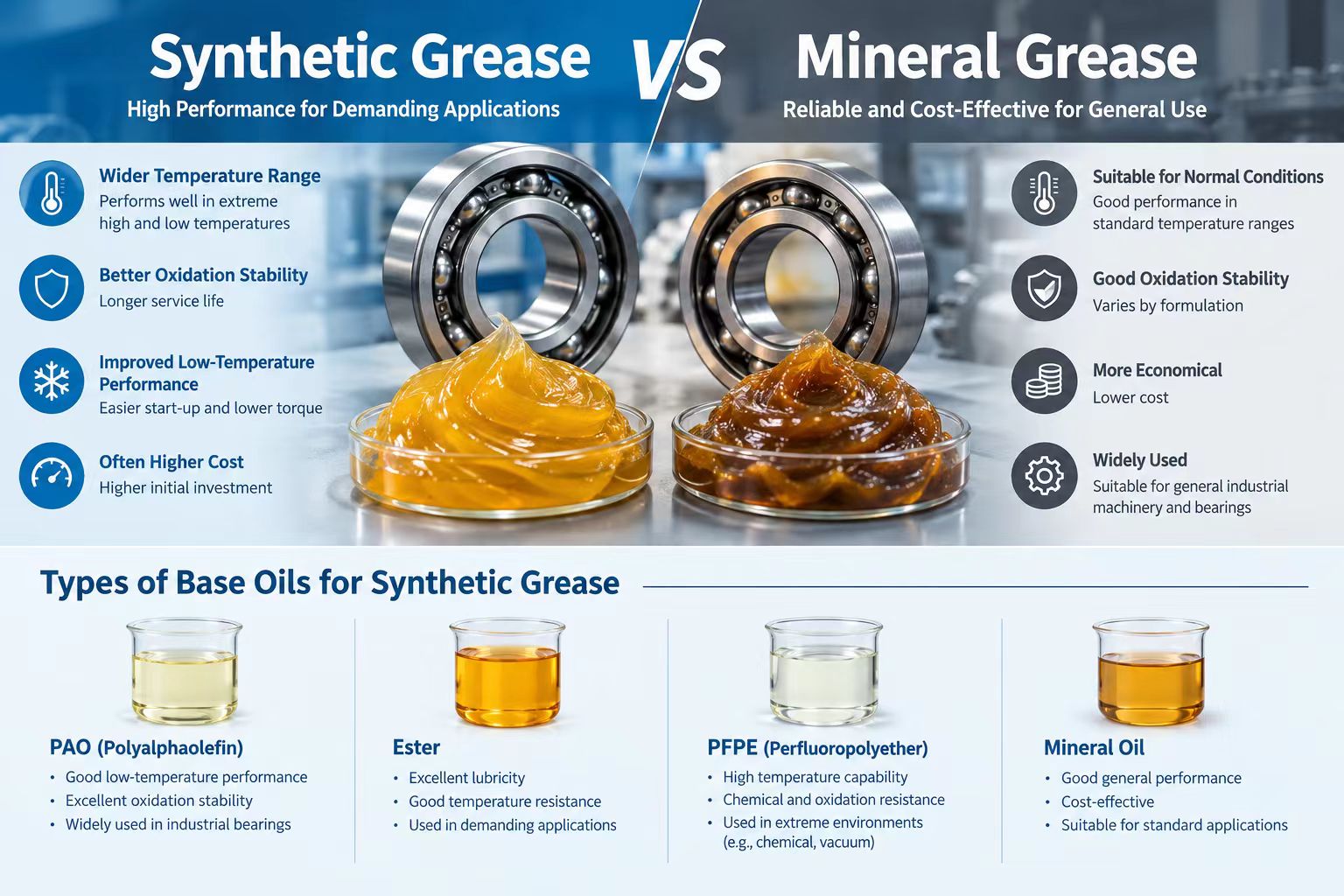
Grease is composed of three primary components:
- Base oil
- Thickener
- Performance additives
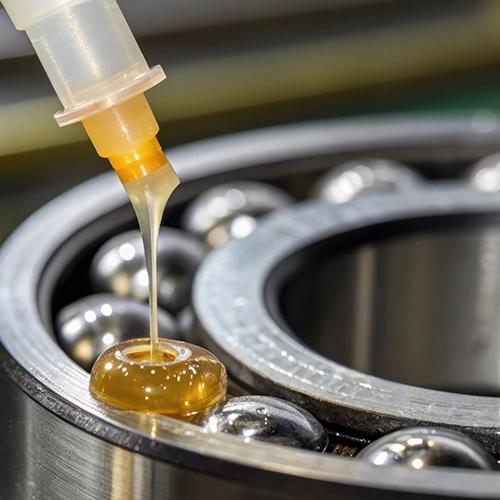
The thickener acts like a sponge, holding the base oil in place until it is gradually released during operation to lubricate moving surfaces.
This controlled release of oil is known as grease bleeding or grease oil separation. A small amount of oil separation is normal and necessary because it supplies the lubricating oil film required by bearings and other moving parts.
However, excessive grease oil separation may reduce lubrication performance, increase maintenance requirements, and eventually contribute to bearing failure.
What Is Grease Oil Separation?
Grease oil separation refers to the release of base oil from the grease thickener.
There are two situations:
Normal Oil Separation
A controlled amount of oil is released during operation to lubricate metal surfaces.
This is a normal characteristic of lubricating grease and should not automatically be considered a defect.
Excessive Oil Separation
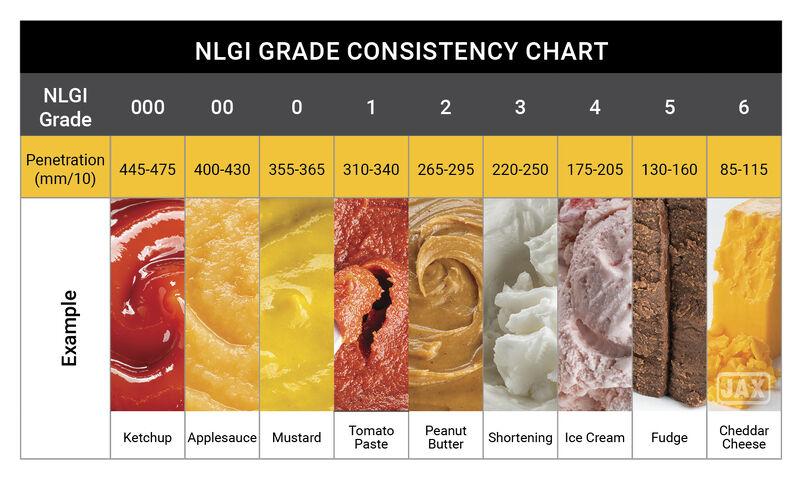
When too much base oil leaves the grease structure, the remaining grease becomes dry or unstable.
This may result in:
- Reduced lubrication
- Grease leakage
- Bearing overheating
- Increased wear
- Shortened grease service life
Common Causes of Grease Oil Separation
1. High Operating Temperature
High temperature is one of the most common causes of excessive oil separation.
As temperature increases:
- Base oil viscosity decreases.
- Oil escapes more easily from the thickener.
- Oxidation accelerates.
- Grease consistency changes.
Typical applications include:
- Electric motors
- Steel mills
- Dryers
- Industrial ovens
- High-speed fans
Recommended Products
- Klüber PETAMO GHY 133N
- Kyodo Yushi Multemp PS No.2
2. Incorrect Grease Selection
Using grease outside its designed operating conditions may cause excessive bleeding.
Examples include:
- Low-speed grease used in high-speed bearings
- General-purpose grease used in high-temperature equipment
- Incorrect base oil viscosity
Proper grease selection should consider:
- Speed
- Load
- Temperature
- Environment
3. Over-Lubrication
Adding excessive grease creates pressure inside the bearing housing.
This pressure forces oil to separate from the grease and leak through bearing seals.
Common symptoms include:
- Oil around bearing seals
- Grease leakage
- Increased operating temperature
4. Mechanical Shear
High-speed rotation continuously shears the grease.
Over time this may:
- Damage the thickener structure
- Accelerate oil release
- Reduce grease consistency
High-speed spindle bearings require grease specifically designed for high shear stability.
Recommended Products
- Klüber ISOFLEX TOPAS NB 52
- NSK LR3
5. Grease Aging
As grease ages:
- Oxidation progresses.
- Additives are consumed.
- Thickener structure weakens.
Eventually, excessive oil separation becomes more likely.
Preventive grease replacement helps maintain lubrication performance.
6. Mixing Incompatible Greases
Different grease formulations may have incompatible:
- Thickeners
- Base oils
- Additives
Mixing incompatible products may lead to:
- Oil separation
- Grease softening
- Grease hardening
- Lubrication failure
Whenever possible, remove the old grease before changing to a different product.
How Does Oil Separation Affect Bearings?
Excessive grease bleeding may cause:
- Higher bearing temperatures
- Increased friction
- Bearing noise
- Seal leakage
- Reduced grease life
- Premature bearing failure
Early diagnosis helps avoid unexpected downtime.
How to Reduce Grease Oil Separation
Select the Correct Grease
Consider:
- Bearing speed
- Operating temperature
- Bearing load
- Environmental conditions
Control Relubrication Quantity
Avoid overfilling bearings.
Follow manufacturer recommendations for grease quantity and relubrication intervals.
Monitor Operating Temperature
High temperatures accelerate grease degradation.
Routine temperature monitoring helps identify problems early.
Prevent Contamination
Keep lubrication systems clean by:
- Using sealed grease containers
- Cleaning grease fittings
- Protecting bearings from dust and water
Store Grease Properly
Grease should be stored:
- In a cool, dry place
- Away from direct sunlight
- In sealed original containers
Improper storage may affect grease stability and increase oil separation during storage.
Recommended Grease for Different Applications
High-Speed Bearings
Recommended:
- Klüber ISOFLEX TOPAS NB 52
- NSK LR3
Advantages:
- Excellent mechanical stability
- Low oil separation
- High-speed performance
Heavy-Load Equipment
Recommended:
- SKF LGEM 2
- Molykote BR2 Plus
Advantages:
- Excellent EP protection
- High load capacity
- Stable lubrication film
High-Temperature Applications
Recommended:
- Klüber PETAMO GHY 133N
- Kyodo Yushi Multemp PS No.2
Advantages:
- Excellent oxidation resistance
- Reduced evaporation
- Long grease life
Wet and Corrosive Environments
Recommended:
- SKF LGWM 2
- OKS 422
Advantages:
- Outstanding water resistance
- Corrosion protection
- Excellent adhesion
Frequently Asked Questions
Is oil separation always a sign of grease failure?
No. A small amount of oil separation is a normal characteristic of lubricating grease and is necessary to provide lubrication. Only excessive oil separation that affects performance should be considered a problem.
Can I simply add more grease if oil separation occurs?
Not necessarily. Over-greasing can actually increase internal pressure and make oil separation or leakage worse. The root cause should be identified before adding more grease.
How can I minimize grease oil separation?
Choose grease suited to the operating conditions, avoid over-lubrication, monitor bearing temperature, prevent contamination, and follow the recommended maintenance schedule.
Conclusion
Grease oil separation is a normal lubrication mechanism when controlled, but excessive oil separation can lead to reduced lubrication performance and equipment failure. Understanding the causes of grease bleeding and selecting the right industrial grease for the application are key to improving bearing reliability and extending service life.
Common Causes of Lubrication Failure at High Speed
Grease Oxidation in High Temperature Applications: Causes, Effects and Solutions
Related Article