Common Causes of Gearbox Lubrication Failure and Preventive Measures
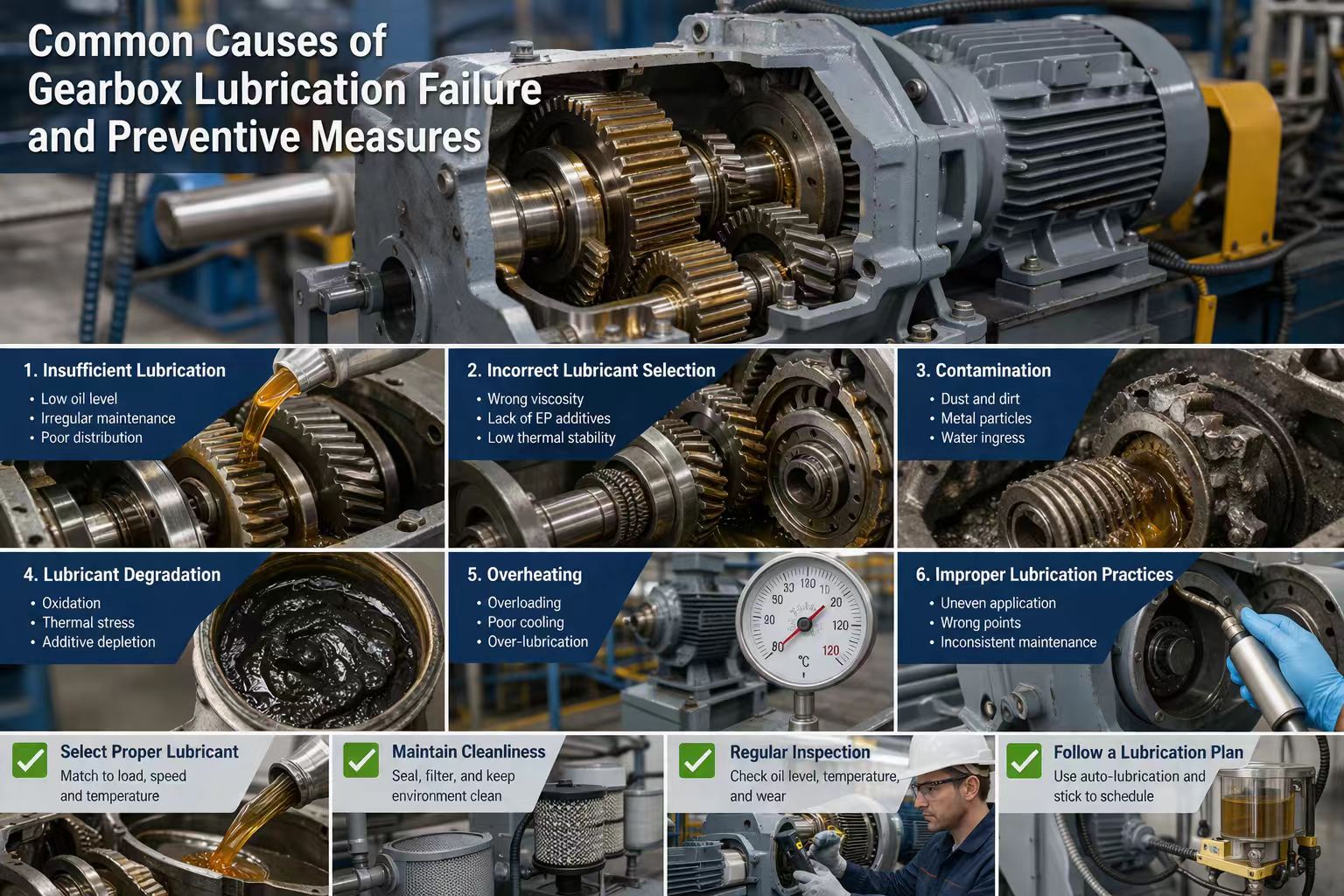
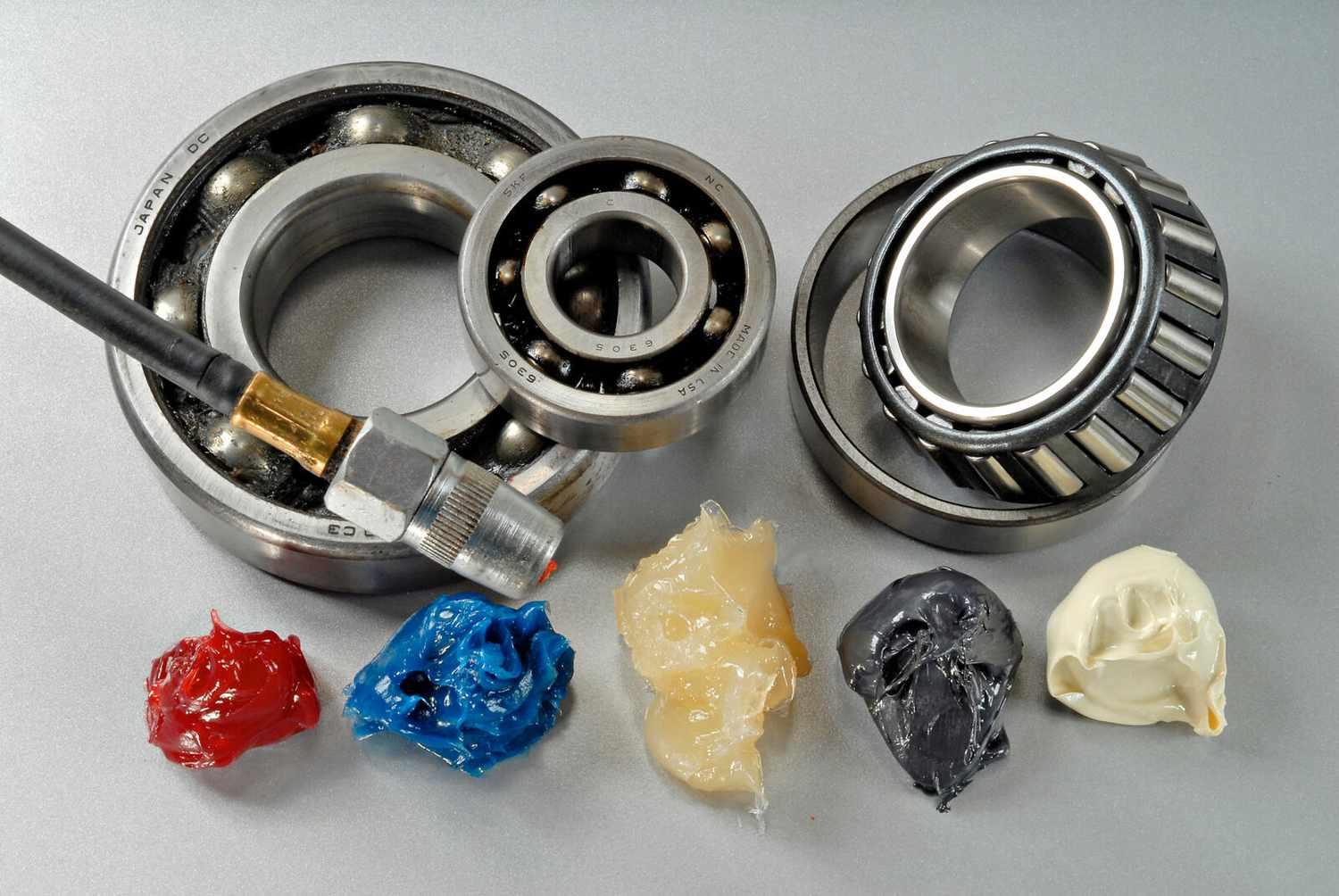
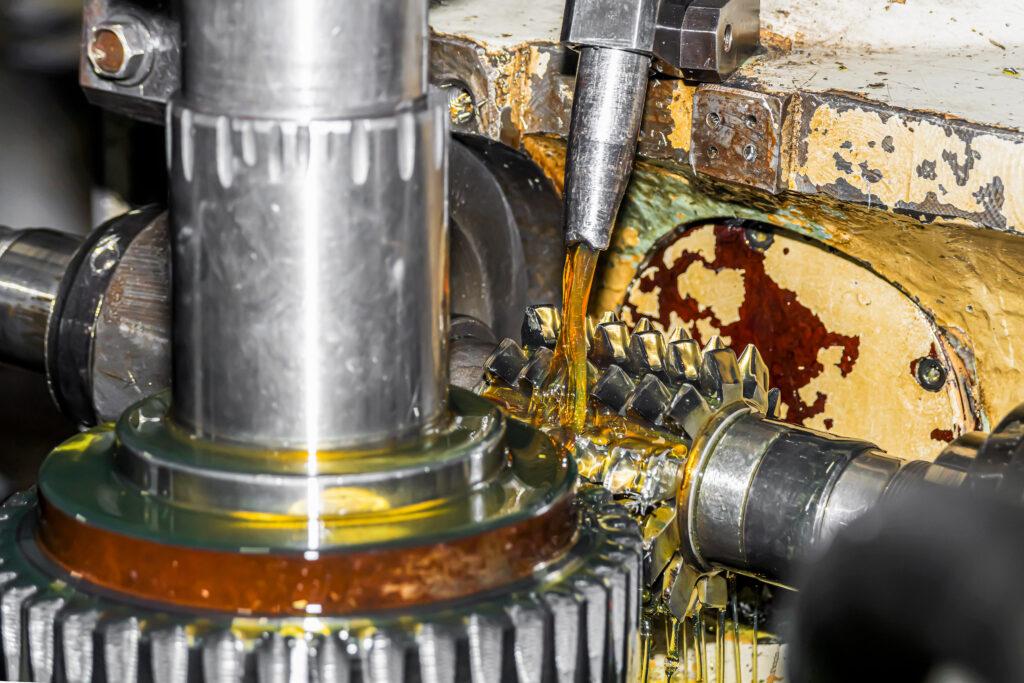
Gearboxes are essential components in industrial machinery, widely used in automation systems, conveyors, injection molding machines, and heavy-duty equipment. Proper lubrication ensures efficient power transmission, reduces wear, and extends service life.
However, gearbox lubrication failure remains one of the leading causes of equipment breakdown. Identifying root causes and implementing preventive strategies is critical for maintaining operational reliability.
1. Insufficient Lubrication
Inadequate lubrication is one of the most common causes of gearbox failure.
Typical issues:
- Low oil or grease levels
- Irregular maintenance intervals
- Poor lubricant distribution
Effects:
- Increased gear friction
- Rapid temperature rise
- Accelerated wear and pitting
Preventive Measures:
- Maintain proper lubricant levels
- Establish regular lubrication schedules
- Use automatic lubrication systems when necessary
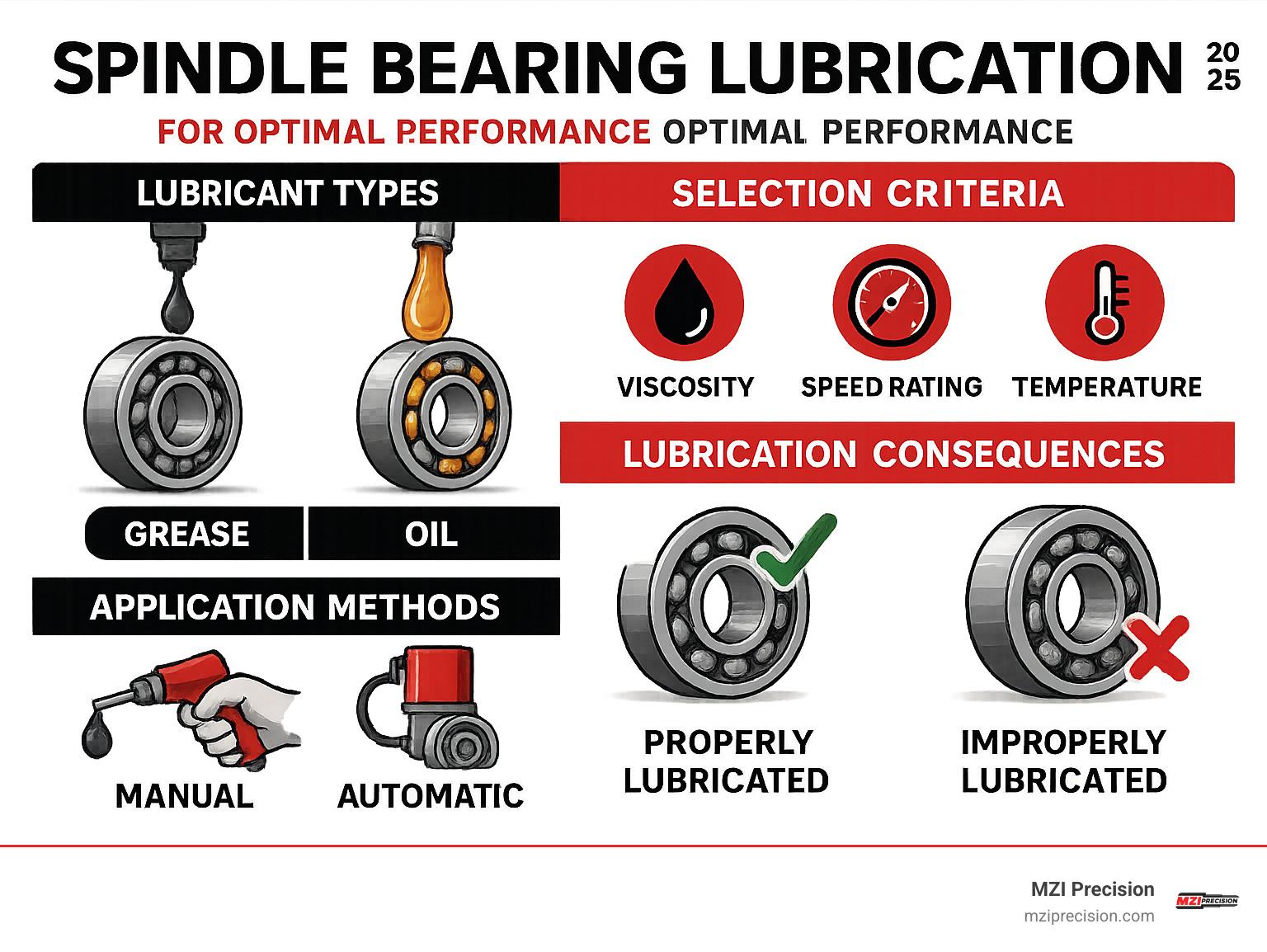
2. Incorrect Lubricant Selection
Selecting the wrong lubricant significantly reduces gearbox efficiency and protection.
Common problems:
- Incorrect viscosity → weak oil film
- Lack of EP additives → poor load capacity
- Low thermal stability
Gearboxes often operate under:
- High load
- Variable speed
- Elevated temperature
Preventive Measures:
- Select lubricants based on operating conditions
- Use gear oils with EP (extreme pressure) additives
- Ensure compatibility with seals and materials
3. Contamination
Contamination is a major contributor to lubrication failure.
Typical contaminants:
- Dust and dirt
- Metal wear particles
- Water ingress
Effects:
- Abrasive wear
- Corrosion
- Lubricant degradation
Preventive Measures:
- Improve sealing systems
- Use filtration systems where applicable
- Maintain a clean operating environment
4. Lubricant Degradation
Lubricants degrade over time due to:
- Oxidation
- Thermal stress
- Additive depletion
Consequences:
- Reduced viscosity stability
- Loss of protective film
- Increased wear
Preventive Measures:
- Use high-quality lubricants
- Monitor lubricant condition
- Replace lubricants at recommended intervals
5. Overheating
Excessive temperature accelerates lubrication failure.
Causes include:
- Overloading
- Poor heat dissipation
- Over-lubrication
Effects:
- Faster oxidation
- Shortened lubricant life
- Deposit formation
Preventive Measures:
- Monitor operating temperature
- Improve cooling conditions
- Avoid excessive lubrication
6. Improper Lubrication Practices
Incorrect methods reduce lubrication effectiveness.
Examples:
- Uneven lubricant application
- Incorrect lubrication points
- Inconsistent maintenance
Preventive Measures:
- Standardize lubrication procedures
- Train maintenance personnel
- Use centralized lubrication systems
Conclusion
Gearbox lubrication failure is typically caused by insufficient lubrication, improper lubricant selection, contamination, and thermal degradation.
By implementing proper lubrication management practices and preventive maintenance strategies, industries can:
- Extend gearbox service life
- Reduce downtime
- Improve operational efficiency
Lubrication is a critical factor in ensuring long-term gearbox reliability.
Impact of Insufficient Lubrication on Yield in SMT Conveyor Systems
Common Causes of Gearbox Lubrication Failure and Preventive Measures
Related Article