Future Trends in Lubrication Technology and Their Impact on Manufacturing
As Industry 4.0 and smart manufacturing rapidly evolve, lubrication technology is also entering a new era. Once considered a secondary support process, lubrication now plays a crucial role in ensuring equipment efficiency, reliability, and environmental compliance. Below are the key trends shaping the future of lubrication and their direct impact on the manufacturing industry.
1. Eco-Friendly Lubricants Will Lead the Market
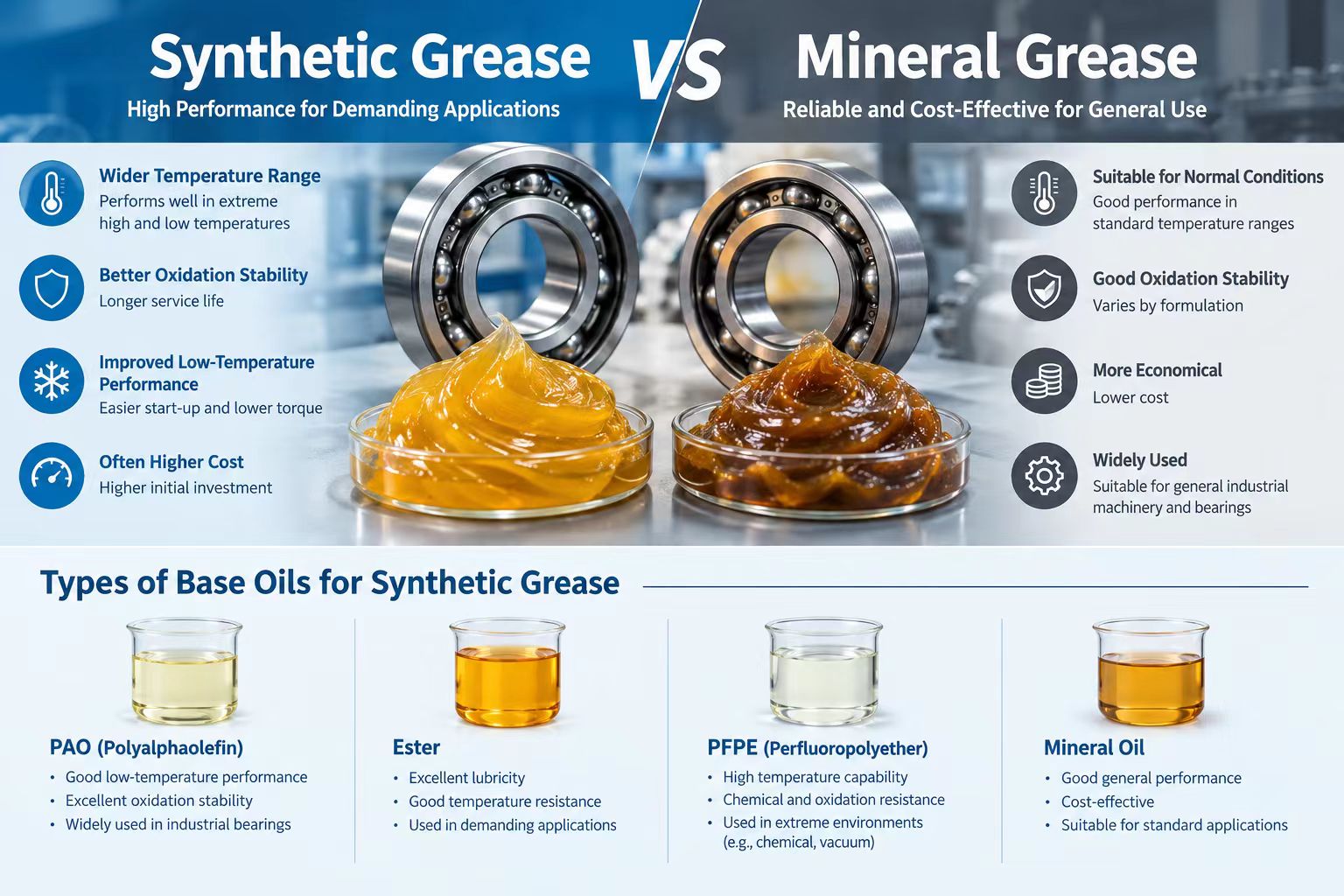
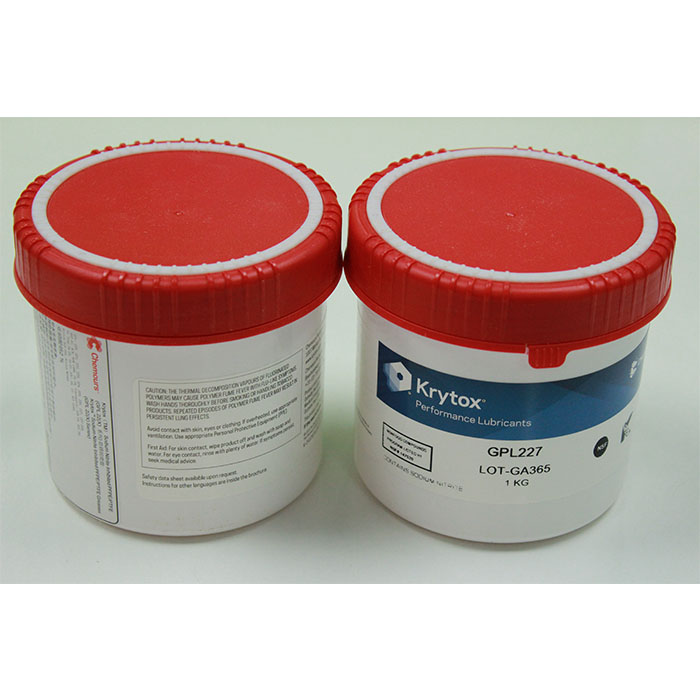
With environmental regulations tightening worldwide, the demand for biodegradable, non-toxic, and bio-based lubricants is increasing. Traditional mineral oil-based products are gradually being replaced by sustainable alternatives. Brands like DuPont KRYTOX™ offer high-performance fluorinated lubricants that are both efficient and eco-safe, widely adopted by precision equipment manufacturers.
2. Rise in Demand for High-Speed, High-Temperature Lubricants
As machinery becomes faster and more compact, the performance requirements for lubricants become more extreme. KLÜBER, MOLYKOTE, and SHINETSU are among the brands developing advanced greases designed to withstand high temperatures, rapid motion, and heavy loads, ideal for motors, robotics, and high-speed bearings.
3. Smart Lubrication Systems Are Becoming the Norm
Manual lubrication is giving way to automated and intelligent lubrication systems. These systems use sensors to monitor grease condition and automatically dispense the right amount at the right time. Lubricants are now part of predictive maintenance strategies, contributing to uptime and operational efficiency. Brands like NSK and THK already integrate such technologies into select models.
4. Material Compatibility Drives Customized Lubricant Solutions
Modern manufacturing increasingly involves complex materials such as plastics, composites, and specialized seals. Lubricants must be chemically compatible to prevent swelling, corrosion, or degradation. For example, MOLYKOTE is ideal for plastic gear applications, while KRYTOX™ suits chemically sensitive environments. Custom-formulated greases will dominate future applications.
5. Lubrication Will Support Sustainability and Energy Efficiency
Advanced lubricants are not just for reducing friction—they play a direct role in extending equipment life, reducing energy consumption, and minimizing downtime. This aligns with global efforts to build greener, more energy-efficient factories, supporting both productivity and sustainability goals.
6. Impact on the Manufacturing Sector
-
✅ Extended equipment service life
-
✅ Reduced maintenance costs and intervals
-
✅ Higher energy efficiency and fewer breakdowns
-
✅ Enhanced product quality and production stability
-
✅ Support for carbon neutrality and green manufacturing initiatives
ShinEtsu KE Grease Models and Application Guide
How to Prevent Equipment Failures Caused by Grease? Expert Tips
Related Article