Electric Motor Grease Noise: Causes and Solutions
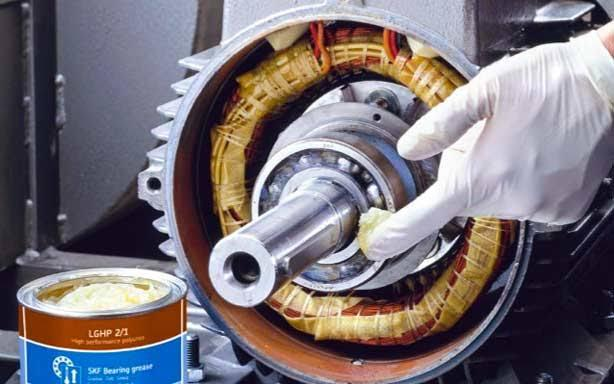
Electric motors are widely used in industrial machinery, pumps, fans, compressors, conveyors, and automation equipment. Smooth and quiet bearing operation is essential for maintaining equipment reliability and extending service life.
While bearing wear and improper installation are common causes of motor noise, lubricating grease also plays a critical role. Incorrect grease selection, contamination, insufficient lubrication, or grease degradation can all contribute to abnormal bearing noise.
This article explains the most common grease-related causes of motor bearing noise and provides practical lubrication solutions.
1. Incorrect Grease Selection
Not every grease is suitable for electric motor bearings.
Motor bearings often operate at:
- High rotational speeds
- Continuous operating temperatures
- Low vibration requirements
- Long relubrication intervals
Using a general-purpose grease may result in:
- Increased friction
- Higher operating temperatures
- Poor lubrication film formation
- Abnormal bearing noise
Recommended Products
For high-speed and low-noise electric motors:
- NSK LR3
- Klüber ISOFLEX TOPAS NB 52
- Kyodo Yushi Multemp SRL
Applications
- Electric motors
- Precision bearings
- Servo motors
- High-speed fans
2. Over-Lubrication
Adding excessive grease is one of the most common maintenance mistakes.
Too much grease causes:
- Grease churning
- Increased internal resistance
- Higher bearing temperatures
- Noise and vibration
- Seal leakage
For high-speed motors, bearings are typically filled with only the recommended amount of grease to minimize heat generation.
3. Insufficient Lubrication
Insufficient grease reduces the lubricant film between rolling elements and raceways.
Typical symptoms include:
- Metallic noise
- Increased vibration
- Rising bearing temperature
- Accelerated wear
Regular lubrication based on operating conditions helps prevent lubricant starvation.
4. Grease Aging and Oxidation
Over time, grease gradually loses its lubricating properties due to:
- Oxidation
- Base oil evaporation
- Additive depletion
Aged grease may become:
- Hard
- Dry
- Less effective at reducing friction
This often results in increased bearing noise and reduced service life.
Recommended Long-Life Greases
- Kyodo Yushi Multemp SRL
- Klüber PETAMO GHY 133N
5. Grease Contamination
Contaminants entering the bearing can significantly increase operating noise.
Common contaminants include:
- Dust
- Water
- Metal particles
- Fibers
These particles interfere with the rolling surfaces and accelerate bearing wear.
Prevention
- Use clean lubrication tools.
- Keep grease containers sealed.
- Replace contaminated grease promptly.
- Inspect bearing seals regularly.
6. Mixing Different Greases
Mixing incompatible grease formulations may change:
- Grease consistency
- Oil separation characteristics
- Lubrication performance
Possible consequences include:
- Increased friction
- Bearing vibration
- Unusual operating noise
Before changing grease brands or types, verify compatibility or thoroughly remove the old grease.
7. Bearing Wear or Installation Problems
Not all bearing noise is caused by grease.
Mechanical issues such as:
- Misalignment
- Improper preload
- Damaged raceways
- Shaft imbalance
may produce similar symptoms.
Always inspect both lubrication and bearing condition during troubleshooting.
Recommended Grease for Electric Motors
| Application | Recommended Products | Key Features |
|---|---|---|
| High-speed electric motors | Klüber ISOFLEX TOPAS NB 52 | Low friction, low noise |
| Precision motors | NSK LR3 | Excellent low-noise performance |
| Long-life motors | Kyodo Yushi Multemp SRL | Long service life, oxidation resistance |
| High-temperature motors | Klüber PETAMO GHY 133N | Thermal and oxidation stability |
| Wet environments | SKF LGWM 2 | Water resistance and corrosion protection |
Note: The final grease selection should be based on motor speed, bearing type, operating temperature, load, and the equipment manufacturer's recommendations.
Best Practices for Reducing Motor Bearing Noise
- Select grease designed for electric motor bearings.
- Avoid over-greasing or under-greasing.
- Keep grease and lubrication tools clean.
- Monitor bearing temperature and vibration regularly.
- Replace aged or contaminated grease according to the maintenance schedule.
- Verify grease compatibility before switching products.
Frequently Asked Questions
Can grease cause motor bearing noise?
Yes. Incorrect grease selection, grease aging, contamination, over-lubrication, or insufficient lubrication can all contribute to abnormal motor bearing noise.
What grease is commonly used for low-noise electric motors?
Low-noise, high-speed greases such as NSK LR3, Klüber ISOFLEX TOPAS NB 52, and Kyodo Yushi Multemp SRL are commonly used for precision electric motor bearings.
Should I add more grease if the motor becomes noisy?
Not necessarily. Excess grease can increase friction and temperature, making the problem worse. The cause of the noise should be diagnosed before relubrication.
Conclusion
Motor bearing noise is often influenced by lubrication quality as much as by bearing condition. Proper grease selection, correct lubrication quantity, contamination control, and regular maintenance are essential for reducing noise, extending bearing life, and improving equipment reliability.
Selecting a low-noise electric motor grease suited to the application's speed, temperature, and operating conditions helps ensure stable and quiet motor performance.
Why Does Grease Turn Black?
How Contamination Affects Grease Performance
Related Article