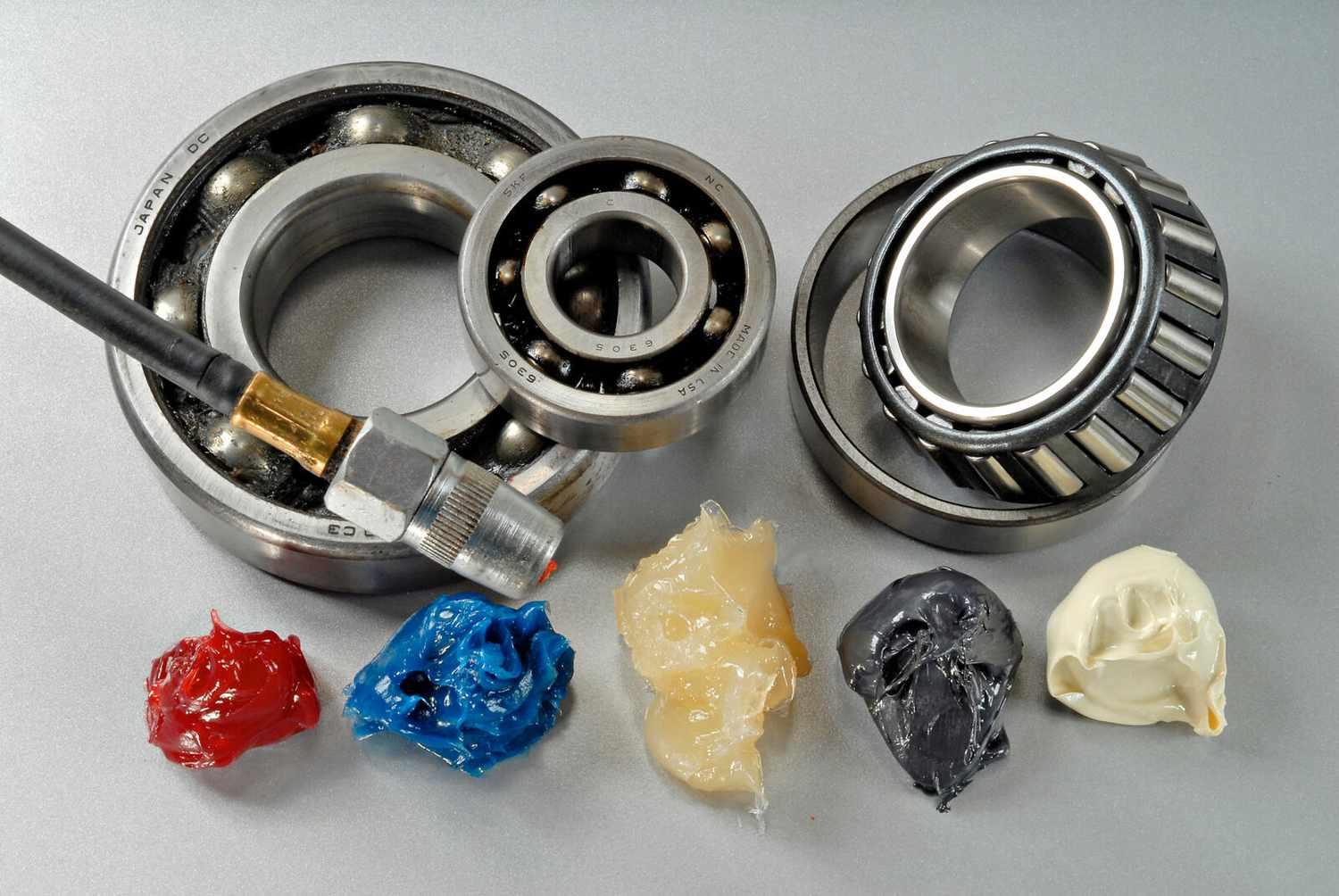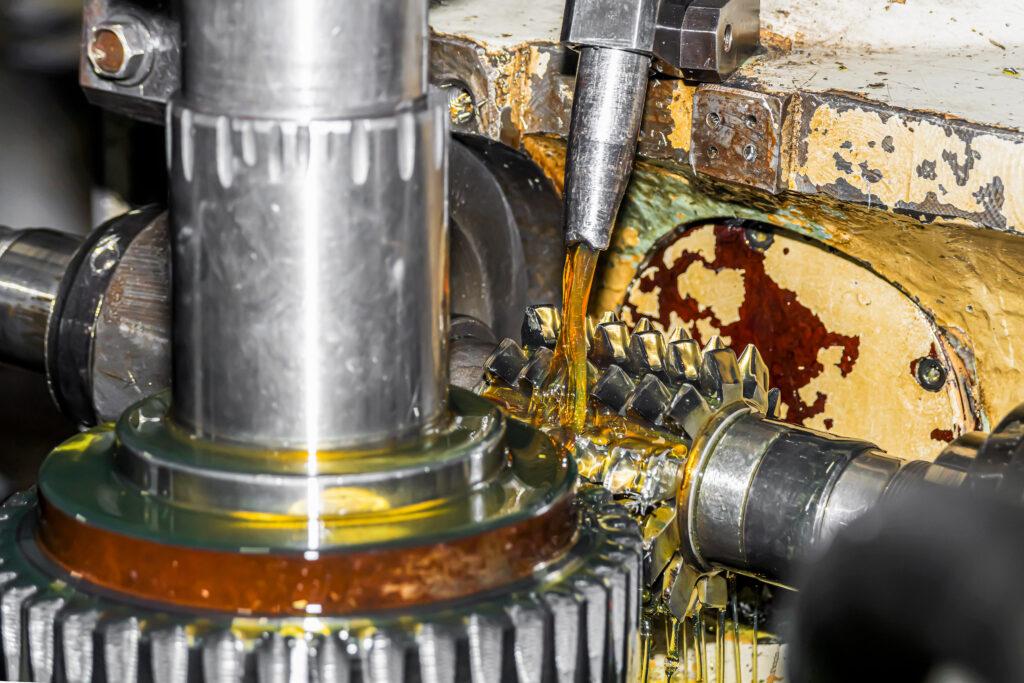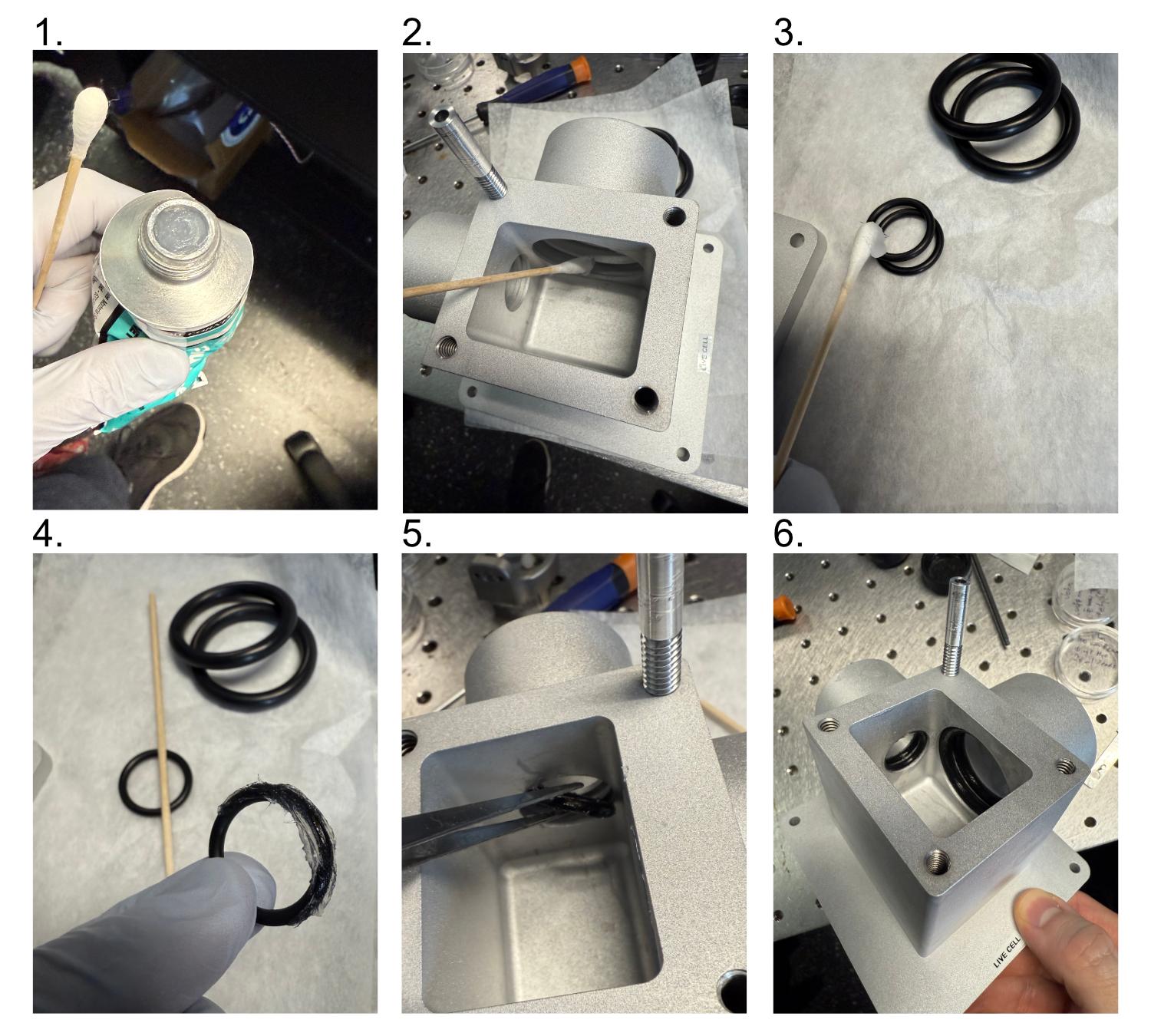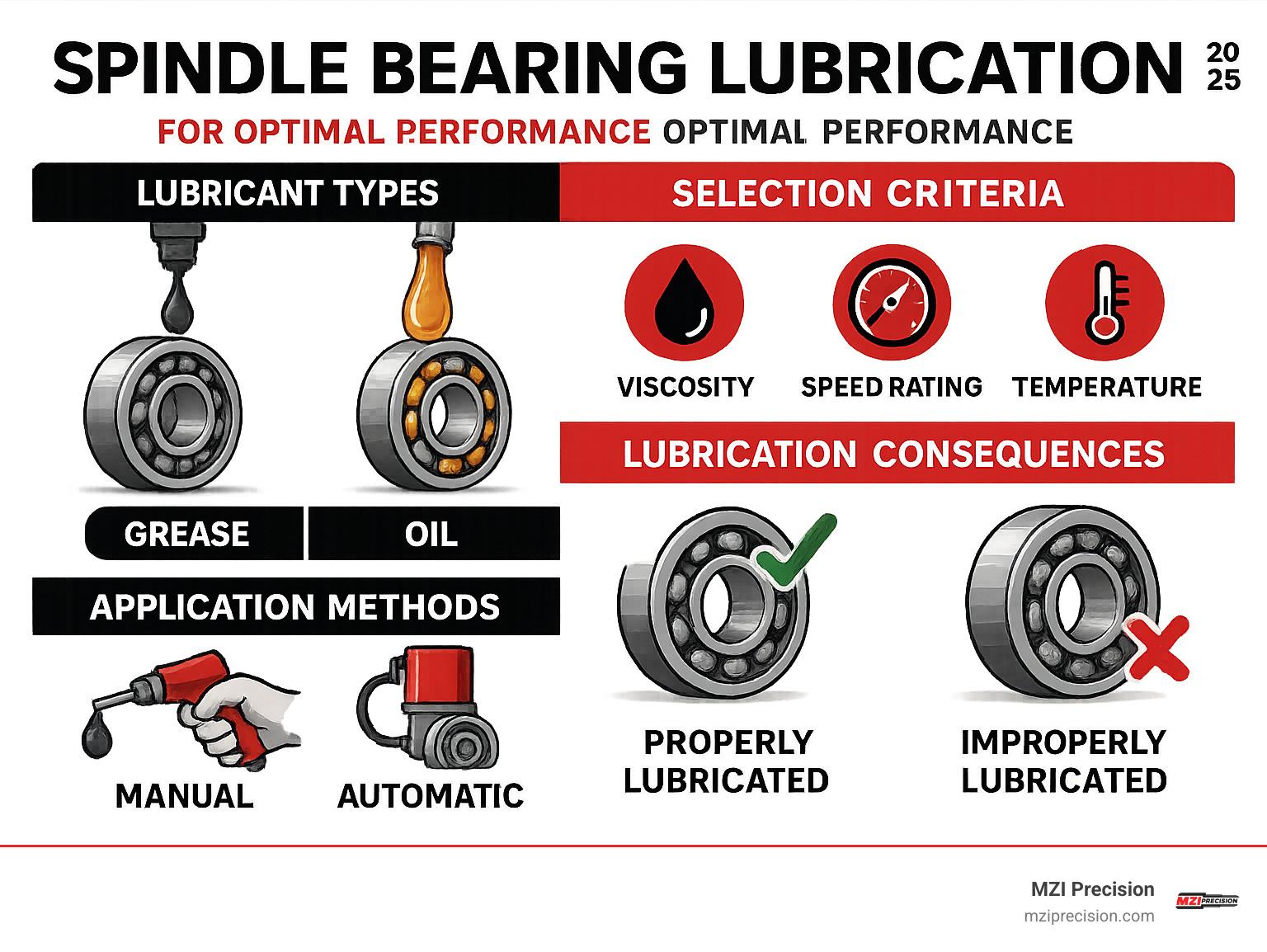
Can Different Greases Be Mixed? Compatibility Guide
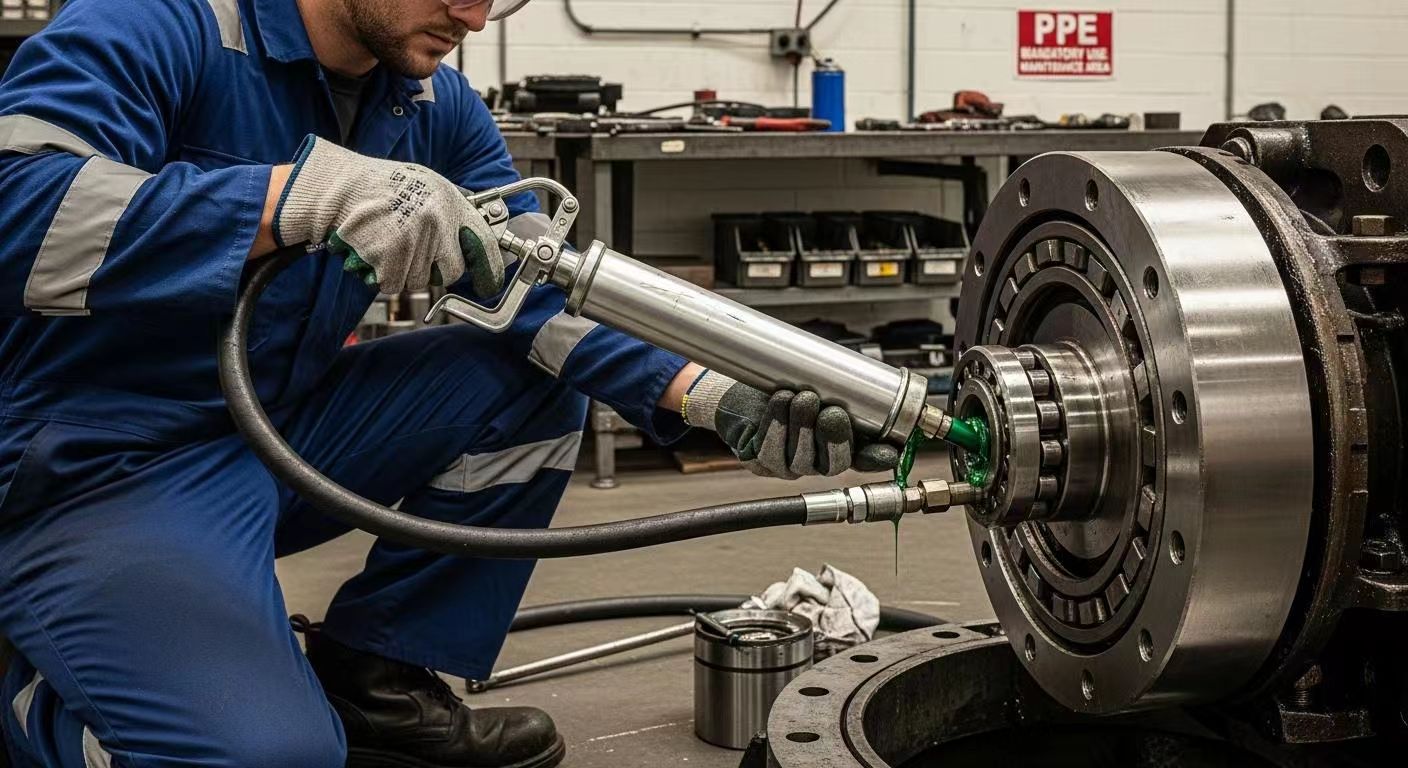
Many maintenance engineers ask: Can different greases be mixed?
The answer is not simply related to the brand name. Two different brands of grease may be compatible, while two products from the same brand may not be suitable for mixing.
The compatibility of lubricating grease mainly depends on:
- Thickener system
- Base oil type
- Additive package
- Operating conditions
Incorrect grease mixing can lead to lubrication failure, increased wear, and premature bearing damage.
What Determines Grease Compatibility?
1. Thickener Type
The thickener structure is one of the most important factors affecting grease compatibility.
Common grease thickener types include:
Lithium Grease
Advantages:
- Good mechanical stability
- Wide application range
- General industrial use
Lithium Complex Grease
Advantages:
- Higher temperature resistance
- Better load performance
- Improved mechanical stability
Commonly used in:
- Bearings
- Motors
- Industrial machinery
Polyurea Grease
Advantages:
- Excellent oxidation resistance
- Long service life
- Low noise performance
Common applications:
- Electric motor bearings
- High-speed bearings
Calcium Sulfonate Complex Grease
Advantages:
- Excellent water resistance
- Superior corrosion protection
- Strong EP performance
Suitable for:
- Marine equipment
- Steel industry
- Heavy-duty machinery
PTFE Thickened Grease
Advantages:
- Chemical resistance
- Wide temperature range
- Clean environment applications
Used in:
- Vacuum equipment
- Semiconductor equipment
- Aerospace applications
Why Mixing Different Greases Can Cause Problems
1. Grease Softening
When incompatible greases are mixed, the thickener structure may weaken.
Possible results:
- Grease leakage
- Reduced load protection
- Shortened lubrication life
2. Grease Hardening
Some incompatible combinations may cause the grease structure to become harder.
Results:
- Poor oil release
- Increased friction
- Bearing overheating
3. Oil Separation
Mixing different grease formulations may accelerate base oil separation.
Possible consequences:
- Insufficient lubrication film
- Dry grease residue
- Bearing damage
4. Reduced Additive Performance
Different additive systems may interact negatively.
This can reduce:
- Anti-wear performance
- Extreme pressure protection
- Corrosion resistance
Can Different Brands of Grease Be Mixed?
The brand itself is not the deciding factor.
For example:
A Klüber grease and a SKF grease may potentially be compatible if they have:
- Similar thickener system
- Similar base oil
- Similar application requirements
However, a PFPE grease and a mineral oil grease should generally not be mixed because their chemistry and application purposes are completely different.
Always check technical data or perform compatibility testing before mixing.
Common Grease Mixing Examples
Lithium Complex + Lithium Complex
Generally:
- Possible compatibility
But confirmation is recommended because formulations vary between manufacturers.
Lithium Complex + Polyurea
Generally:
- Not recommended without testing
Possible risks:
- Grease structure breakdown
- Performance reduction
Mineral Oil Grease + PFPE Grease
Generally:
- Not compatible
PFPE lubricants are typically selected for:
- Extreme temperature
- Vacuum
- Chemical resistance applications
Silicone Grease + Mineral Oil Grease
Generally:
- Not recommended
Different base oil chemistry may cause instability.
How to Correctly Replace Grease
When changing from one grease to another:
Step 1: Remove Old Grease
Clean old lubricant as much as possible.
Step 2: Check Compatibility
Confirm:
- Thickener type
- Base oil type
- Operating temperature
- Application requirements
Step 3: Apply New Grease Correctly
Avoid overfilling bearings.
Excess grease may cause:
- Temperature increase
- Leakage
- Seal damage
Step 4: Monitor Equipment Operation
After grease replacement, check:
- Bearing temperature
- Noise
- Vibration
- Leakage
Recommended Grease Selection by Application
High-Speed Bearings
Recommended:
- NSK LR3
- Klüber ISOFLEX TOPAS NB 52
Features:
- Low friction
- Low torque
- Good temperature stability
Heavy Load Bearings
Recommended:
- Molykote BR2 Plus
- SKF LGEM 2
Features:
- Excellent EP protection
- Wear resistance
- Shock load capability
High Temperature Applications
Recommended:
- Klüber PETAMO GHY 133N
Features:
- Oxidation resistance
- Long service life
- Thermal stability
Vacuum and Extreme Chemical Environments
Recommended:
- PFPE-based grease products
Features:
- Low outgassing
- Chemical resistance
- Wide temperature range
Best Practices for Grease Management
Keep One Lubrication Standard
Avoid unnecessary grease changes between different suppliers.
Record Lubricant Information
Maintain records of:
- Brand
- Model
- Thickener type
- Replacement date
Do Not Judge Compatibility Only by Appearance
Two greases may look similar but have completely different chemistry.
Consult Technical Data
For critical equipment, always confirm compatibility with the grease manufacturer.
Conclusion
Different greases should not be mixed simply because they have similar appearance or come from similar applications. Grease compatibility depends on thickener type, base oil, additives, and operating conditions.
Selecting the correct bearing grease and following proper replacement procedures can reduce lubrication failures, extend equipment life, and improve machine reliability.
Bearing Overheating: Is It Related to Grease?
Why Bearings Fail Even With Proper Lubrication
Related Article