Cleanroom Equipment Lubrication Solutions Guide
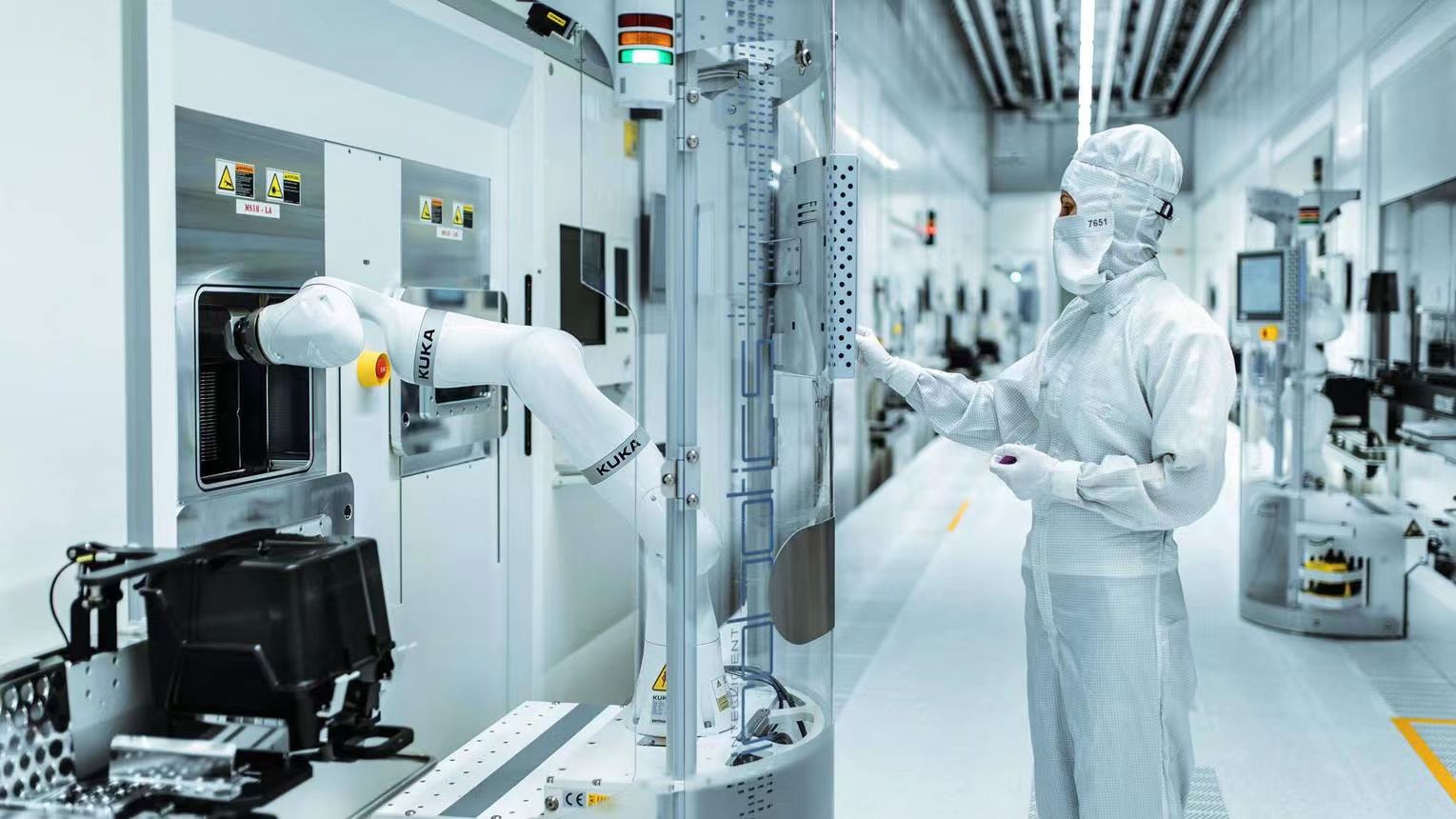
Cleanrooms are widely used in semiconductor manufacturing, pharmaceutical production, medical device assembly, precision optics, and electronic component manufacturing. In these highly controlled environments, even microscopic contamination can affect product quality and production yield.
Therefore, selecting the proper cleanroom equipment lubrication solution is critical. Specialized cleanroom grease helps minimize contamination risks while ensuring reliable operation of precision equipment.
Why Cleanroom Equipment Requires Specialized Lubrication
Unlike conventional industrial environments, cleanrooms require strict control of:
- Airborne particles
- Volatile organic compounds (VOCs)
- Oil mist contamination
- Outgassing emissions
Standard lubricants may release particles or vapors that contaminate sensitive manufacturing processes.
For this reason, low outgassing lubricant technologies are commonly used in cleanroom applications.
Lubrication Challenges in Cleanroom Environments
1. Particle Contamination
Lubricants must minimize:
- Grease migration
- Oil separation
- Particle generation
Even tiny contaminants can affect semiconductor wafers, optical lenses, and medical devices.
2. Vacuum and Low Pressure Conditions
Many semiconductor tools operate under:
- High vacuum
- Controlled atmosphere chambers
Lubricants must provide:
- Low vapor pressure
- Low outgassing performance
- Long-term stability
3. Chemical Exposure
Cleanroom equipment may encounter:
- Process gases
- Solvents
- Cleaning chemicals
Lubricants require excellent chemical resistance.
4. Continuous Precision Motion
Robots and automated systems operate:
- 24/7
- High positioning accuracy
- Repetitive movement cycles
This requires lubricants with stable friction characteristics and long service life.
Key Requirements for Cleanroom Grease
Low Outgassing
A high-quality cleanroom grease should:
- Minimize volatile emissions
- Maintain vacuum integrity
- Reduce contamination risk
Chemical Stability
Lubricants should resist:
- Oxidation
- Chemical attack
- Process gas exposure
Long Service Life
Equipment downtime in cleanrooms is costly.
Therefore, lubricants should provide:
- Long relubrication intervals
- High oxidation resistance
- Mechanical stability
Material Compatibility
Cleanroom lubricants must be compatible with:
- Stainless steel
- Aluminum
- Engineering plastics
- Elastomer seals
Common Lubricants Used in Cleanroom Equipment
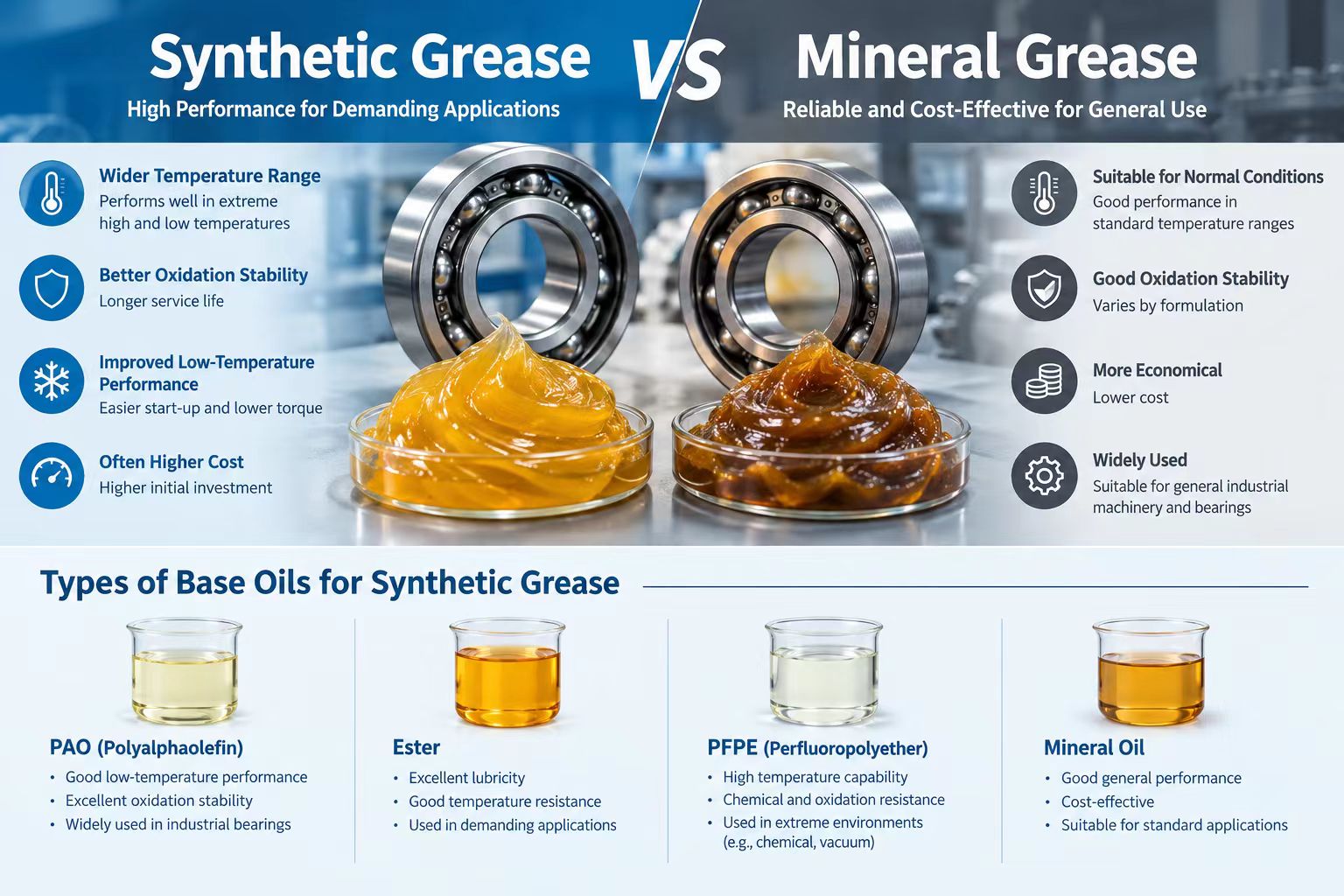
PFPE-Based Grease
PFPE lubricants are widely used due to:
- Ultra-low outgassing
- Excellent chemical resistance
- Wide operating temperature range
Common examples include products from:
- Fomblin
- Krytox
Synthetic Hydrocarbon Grease
Suitable for:
- Precision bearings
- Automated systems
- Clean manufacturing equipment
Provides:
- Low friction
- Long life
- Stable operation
Specialty Cleanroom Lubricants
Manufacturers such as Klüber Lubrication offer specialized lubricants designed for:
- Semiconductor manufacturing
- Pharmaceutical equipment
- Precision robotics
Products are engineered to reduce contamination while maintaining equipment reliability.
Typical Cleanroom Applications
Semiconductor Equipment
Applications include:
- Wafer handling robots
- Vacuum chambers
- Lithography systems
- Transfer mechanisms
Pharmaceutical Manufacturing
Used in:
- Filling machines
- Packaging equipment
- Sterile processing systems
Precision Robotics
Require:
- Low particle generation
- Long service life
- Smooth motion control
Optical Manufacturing
Need:
- Clean lubrication
- Contamination-free operation
- Precision positioning
Best Practices for Cleanroom Lubrication
Use Certified Lubricants
Choose lubricants specifically designed for cleanroom applications.
Avoid Grease Mixing
Different formulations may cause:
- Chemical incompatibility
- Increased contamination
- Reduced performance
Control Lubricant Application
Apply only the required amount to minimize contamination risks.
Monitor Equipment Performance
Regularly inspect:
- Bearing condition
- Lubricant integrity
- Particle levels
Conclusion
Effective cleanroom equipment lubrication is essential for maintaining production quality and equipment reliability in precision manufacturing environments. By selecting the right cleanroom grease and low outgassing lubricant, manufacturers can reduce contamination risks and improve operational efficiency.
Bearing Grease Hardening Causes and Solutions
NSF H1 Food Grade Grease for Food Processing Equipment
Related Article