Bearing Overheating: Is It Related to Grease?
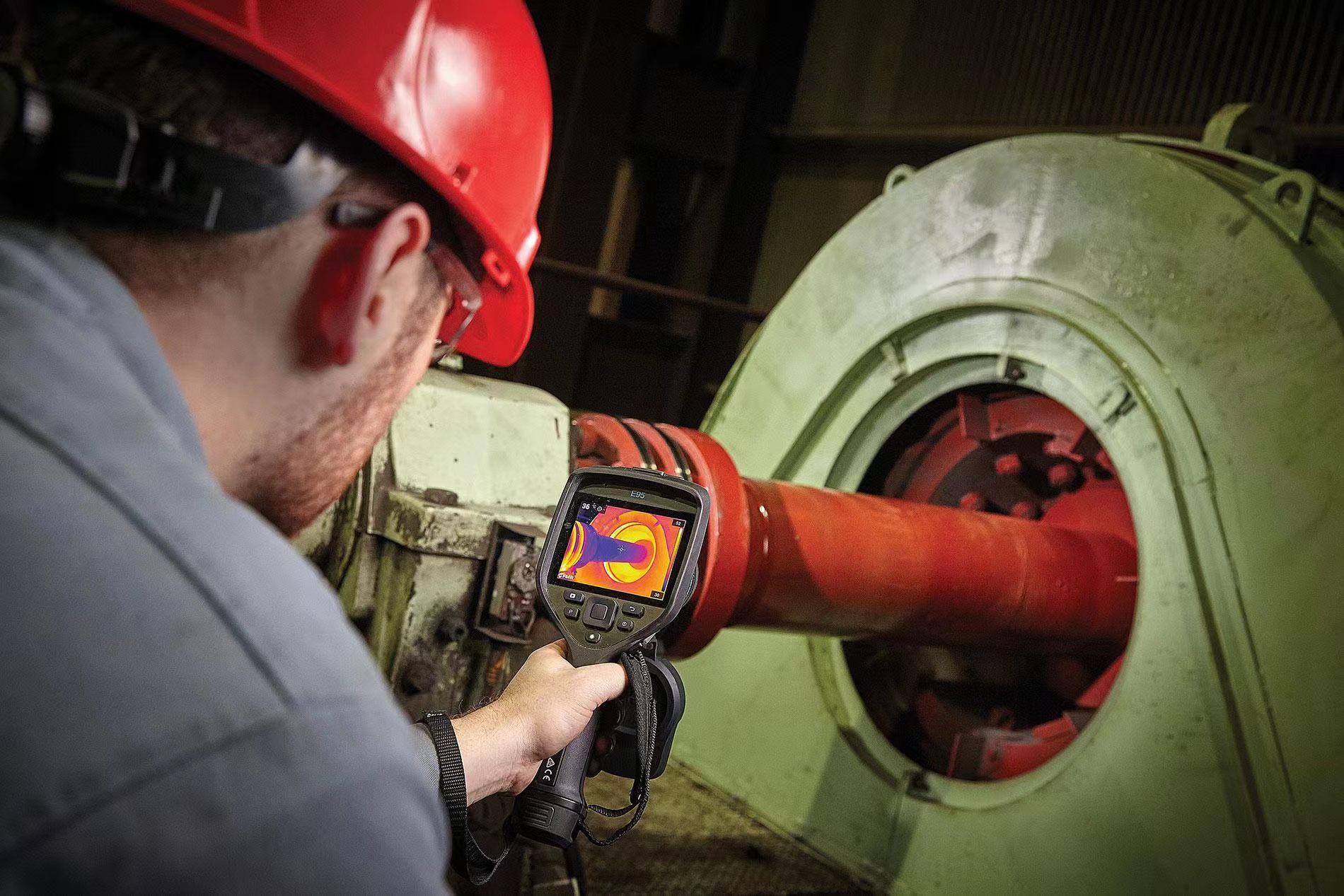
Bearing overheating is one of the most common issues encountered in industrial machinery. Excessive temperature not only shortens bearing life but also accelerates grease degradation, increases energy consumption, and may eventually lead to unexpected equipment failure.
Although grease plays a vital role in bearing performance, it is not always the sole cause of overheating. Mechanical conditions, operating environment, installation quality, and maintenance practices must also be considered.
This guide explains the major causes of bearing overheating, how lubrication affects operating temperature, and how to select the right bearing grease for different applications.
1. Incorrect Grease Selection
Choosing the wrong grease is one of the leading causes of excessive bearing temperature.
Typical examples include:
- Grease with excessive viscosity used in high-speed bearings
- General-purpose grease used in high-temperature applications
- Grease without EP performance used under heavy loads
These conditions increase friction and generate excessive heat.
Recommended Products
High-Speed Bearings
- Klüber ISOFLEX TOPAS NB 52
- NSK LR3
Suitable for:
- CNC machine tool spindles
- Electric motors
- Precision bearings
Heavy Load Bearings
- SKF LGEM 2
- Molykote BR2 Plus
Suitable for:
- Mining equipment
- Construction machinery
- Industrial gear systems
2. Over-Lubrication
More grease does not always mean better lubrication.
Excess grease creates internal pressure inside the bearing housing, causing:
- Increased rolling resistance
- Higher operating temperatures
- Grease leakage
- Seal damage
Best Practice
Follow the equipment manufacturer's recommended grease quantity and relubrication interval.
3. Insufficient Lubrication
Too little grease may also cause overheating.
Without an adequate lubricant film:
- Metal-to-metal contact increases
- Friction rises
- Wear accelerates
- Bearing temperature increases rapidly
Regular lubrication inspections help prevent this issue.
4. Grease Aging or Oxidation
As grease ages, the base oil gradually oxidizes and evaporates.
This can result in:
- Grease hardening
- Oil separation
- Reduced lubricating performance
Recommended Long-Life Grease
- Kyodo Yushi Multemp PS No.2
- Klüber PETAMO GHY 133N
These products provide excellent oxidation resistance and extended service life.
5. Bearing Contamination
Dust, moisture, and metal particles can significantly increase friction.
Common contamination sources include:
- Dust ingress
- Water
- Metal debris
- Process contaminants
Prevention
- Use sealed bearings
- Clean lubrication fittings
- Store grease properly
- Replace contaminated grease promptly
6. Excessive Bearing Load
Even the best grease cannot compensate for excessive mechanical loading.
Typical causes include:
- Machine overload
- Shock loads
- Incorrect bearing selection
- Shaft misalignment
Heavy-duty applications require grease with excellent EP performance.
Recommended:
- Molykote BR2 Plus
- SKF LGEM 2
7. High-Speed Operation
High rotational speeds generate more heat due to increased friction.
High-speed bearings require grease with:
- Low torque
- Low oil separation
- Excellent mechanical stability
Recommended:
- Klüber ISOFLEX TOPAS NB 52
- NSK LR3
8. Improper Installation
Incorrect installation may result in:
- Misalignment
- Excessive preload
- Improper bearing clearance
- Increased friction
Even perfectly selected grease cannot compensate for installation errors.
9. Electrical Current Damage
In electric motors equipped with variable frequency drives (VFDs), stray electrical currents can pass through bearings.
This may cause:
- Electrical pitting
- Surface fluting
- Additional heat generation
Possible solutions include:
- Insulated bearings
- Shaft grounding devices
- Proper electrical design
Recommended Grease Selection by Application
| Application | Recommended Products | Benefits |
|---|---|---|
| High-speed bearings | Klüber ISOFLEX TOPAS NB 52, NSK LR3 | Low friction, low torque |
| Heavy-load equipment | SKF LGEM 2, Molykote BR2 Plus | Excellent EP protection |
| High-temperature bearings | Klüber PETAMO GHY 133N | Outstanding oxidation resistance |
| Wet environments | SKF LGWM 2, OKS 422 | Water and corrosion resistance |
| Food processing equipment | Klübersynth UH1 14-222 | NSF H1 food-grade approval |
Note: Product selection should be based on the equipment manufacturer's recommendations, operating speed, load, temperature, and environmental conditions.
Frequently Asked Questions
Does bearing overheating always mean the grease is bad?
No. Overheating can result from incorrect grease selection, over- or under-lubrication, contamination, excessive load, poor installation, misalignment, or electrical current damage.
Can changing the grease reduce bearing temperature?
Yes, if the existing grease is unsuitable for the operating conditions. Selecting the correct grease viscosity, thickener system, and temperature rating can help reduce friction and operating temperature.
What is the ideal bearing operating temperature?
The acceptable temperature depends on the bearing type, grease, and equipment design. A sudden or continuous temperature increase should be investigated, even if the bearing is still operating normally.
Grease Oxidation in High Temperature Applications: Causes, Effects and Solutions
Can Different Greases Be Mixed? Compatibility Guide
Related Article