Basic Knowledge and Techniques of Equipment Lubrication
Equipment lubrication is essential for ensuring smooth operation, extending the lifespan of machinery, and reducing maintenance costs. Understanding the fundamentals and practical techniques of lubrication helps users select the right lubricants and optimize performance. This article covers the functions of lubrication, common lubrication methods, grease selection criteria, practical application tips, and common mistakes.
1. Core Functions of Lubrication
The primary goal of lubrication is to reduce friction and wear between moving parts. Key benefits include:
-
Minimizing friction and surface wear
-
Preventing rust and corrosion
-
Dissipating heat and regulating temperature
-
Sealing against dust and contaminants
-
Reducing vibration and noise
2. Common Lubrication Methods
-
Manual Lubrication – Applying grease by hand or with a grease gun, suitable for low-frequency maintenance points.
-
Centralized Lubrication Systems – Automatically deliver grease at scheduled intervals; ideal for large machinery.
-
Oil Bath Lubrication – Components are partially submerged in oil, used in gearboxes and reducers.
-
Spray Lubrication – Atomizes lubricant into a fine mist, commonly used for high-speed bearings.
-
Drip Feed Lubrication – Delivers small, consistent amounts of oil to chains and sliding surfaces.
3. How to Choose the Right Lubricating Grease
Selecting the correct lubricant is vital to equipment performance. Consider the following:
| Factor | Grease Selection Tip |
|---|---|
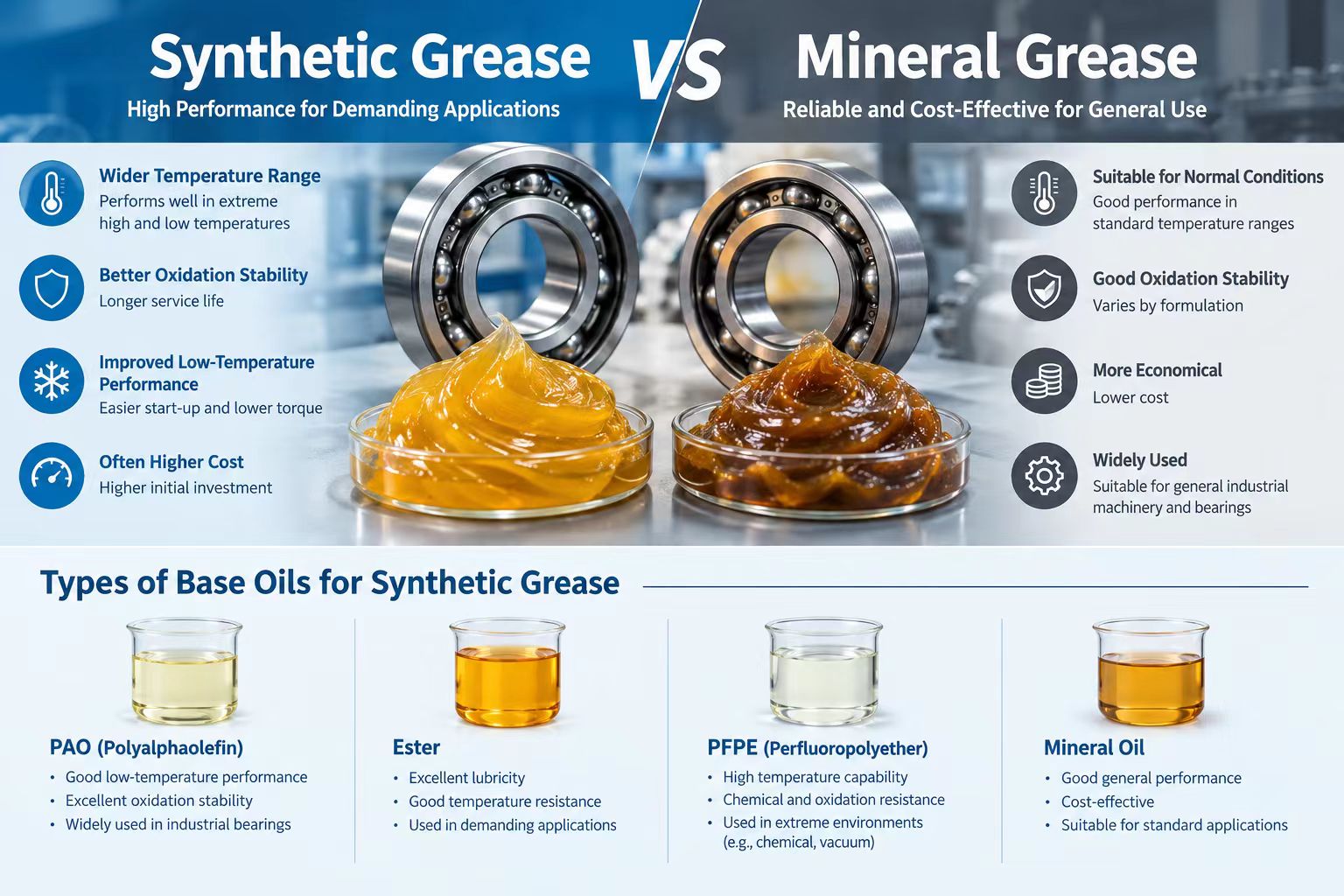
| Operating Temperature | Use synthetic, silicone, or PFPE grease for high temperatures |
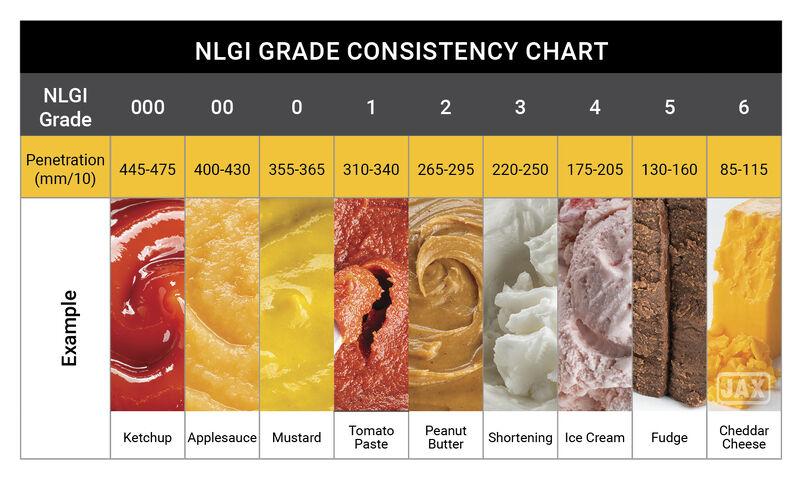
| Load Conditions | Choose extreme pressure (EP) grease for heavy loads |
| Speed | Low-viscosity grease works best for high-speed parts |
| Environment | In moist or corrosive environments, use water-resistant and antioxidant greases |
| Material Compatibility | Ensure compatibility with plastics and elastomers to avoid damage |
4. Lubrication Application Tips
-
Follow a maintenance schedule: Regular greasing avoids under- or over-lubrication.
-
Use clean tools: Prevent contamination during application.
-
Avoid mixing lubricants: Stick with approved brands and formulations.
-
Label lubrication points: Clear identification improves maintenance accuracy.
-
Keep usage records: Track replacement intervals for optimized planning.
5. Common Lubrication Mistakes to Avoid
-
❌ “The more grease, the better” – Over-lubrication causes heat buildup and may damage seals.
-
❌ “Any grease will work” – Lubricants must be matched to operating conditions.
-
❌ “If unused, no need to replace” – Grease deteriorates over time, even without usage.
-
❌ “It’s fine to mix types” – Incompatible greases can react chemically and fail.
6. Conclusion
Understanding the basics of equipment lubrication lays the foundation for efficient maintenance and long-term reliability. As industrial automation and digitalization evolve, lubrication practices are moving toward smarter, data-driven management.
How to Choose the Right Lubricating Grease
Advantages and Case Studies of Specific Lubricating Greases
Related Article