Precision Linear Guide Lubrication: Key Parameters and Selection Method
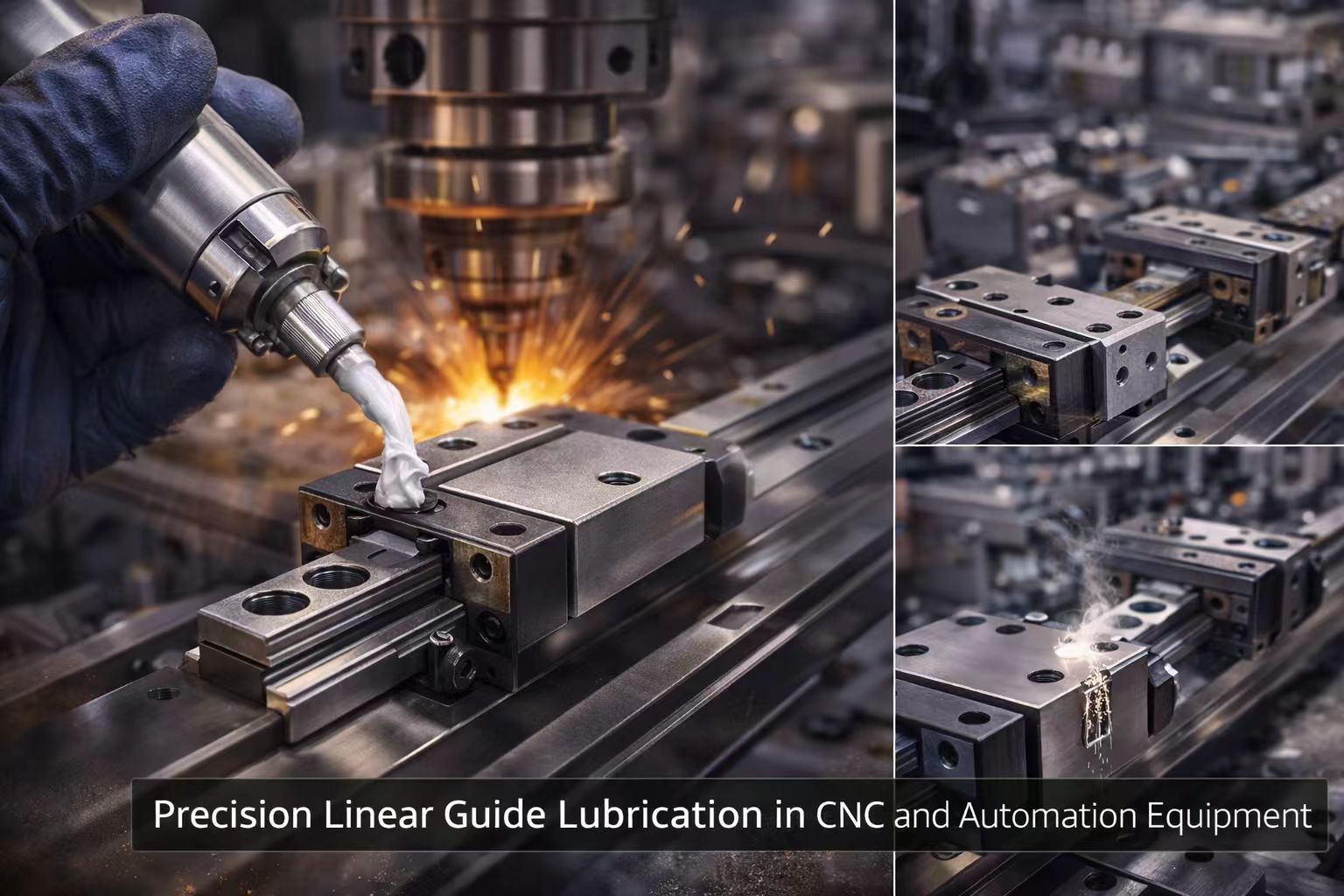
Precision linear guides (LM guides) are widely used in CNC machines, automation systems, semiconductor equipment, and high-speed assembly platforms. Proper lubrication directly affects:
-
Positioning accuracy
-
Repeatability
-
Friction stability
-
Service life
-
Noise performance
Lubrication of linear guides is not simply about choosing grease — it requires a structured engineering approach based on load, speed, stroke, temperature, and environmental conditions.
1. Core Objectives of Linear Guide Lubrication
The primary goals are:
-
Reduce friction coefficient
-
Prevent rolling element and raceway wear
-
Suppress fretting under short-stroke motion
-
Protect against corrosion and contamination
-
Maintain smooth and stable motion
2. Key Parameters for Lubrication Selection
2.1 Operating Speed
Speed determines lubrication regime:
-
Low speed → Boundary lubrication
-
Medium speed → Mixed lubrication
-
High speed → Requires low shear resistance grease
For high-speed linear guides:
-
Lower base oil viscosity
-
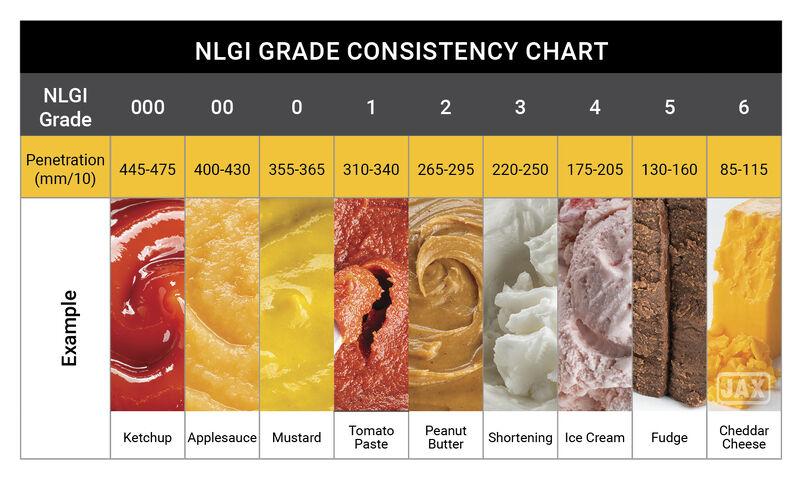
Lower NLGI grade (typically 1 or soft 2)
2.2 Load Level
Load affects required film thickness:
-
Light load → Lower viscosity acceptable
-
Medium load → Moderate viscosity
-
Heavy load → Higher viscosity + EP additives
Sufficient oil film thickness is critical to prevent metal-to-metal contact.
2.3 Stroke Length and Frequency
Short, high-frequency reciprocating motion increases risk of:
-
Fretting wear
-
Oil film breakdown
Recommended grease characteristics:
-
Strong adhesion
-
Stable oil separation behavior
-
Good anti-wear properties
2.4 Operating Temperature
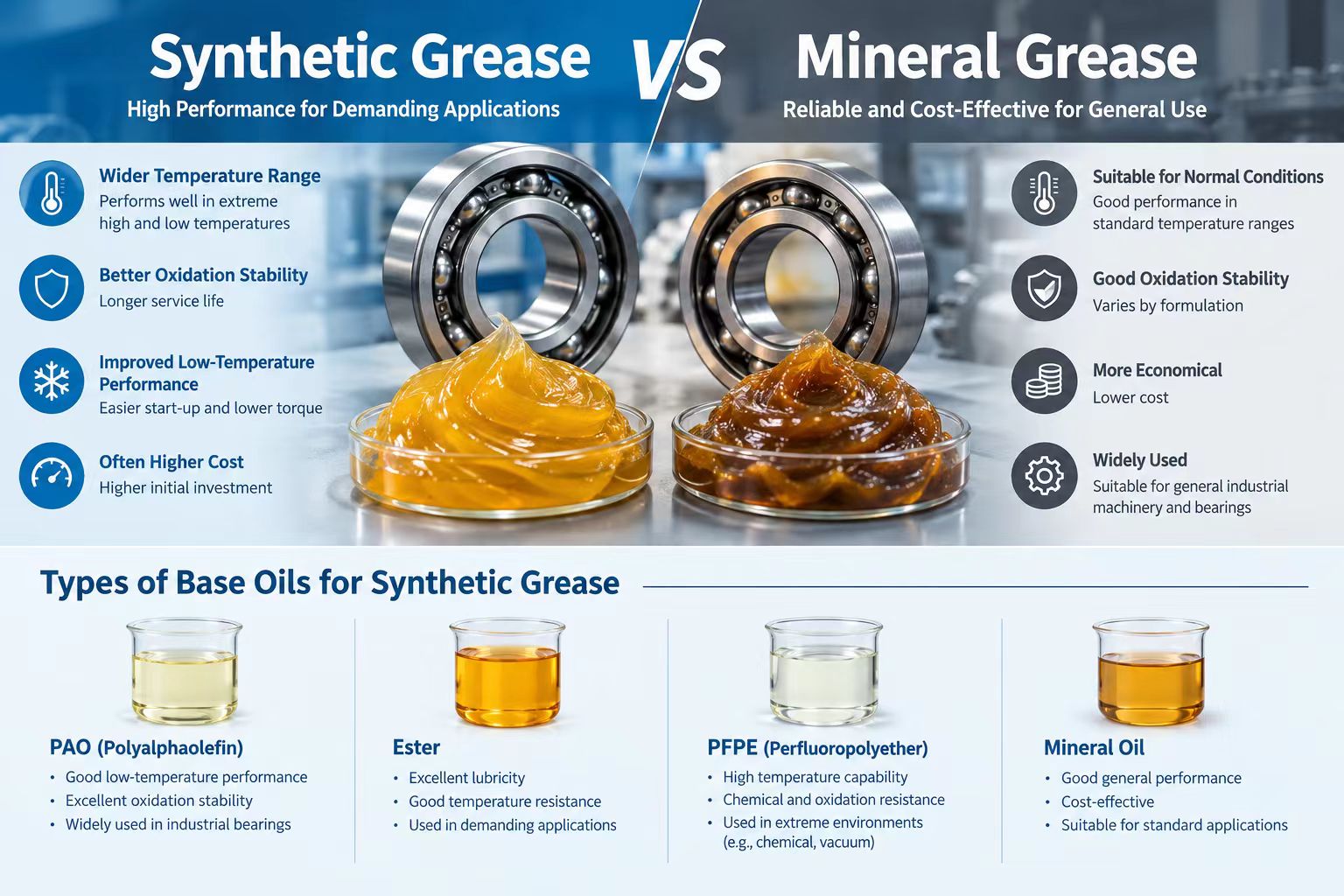
Temperature determines base oil selection:
| Temperature Range | Recommended Base Oil |
|---|---|
| ≤80°C | Mineral oil or PAO |
| 80–150°C | PAO or synthetic ester |
| >150°C | High-temperature synthetic systems |
Oxidation stability and evaporation resistance are critical at elevated temperatures.
2.5 Environmental Conditions
Dust, humidity, and chemicals influence grease selection:
-
Dusty environments → High adhesion grease
-
Humid environments → Strong corrosion protection
-
Cleanroom applications → Low volatility, low outgassing lubricants
3. Practical Selection Method
Step 1: Define Equipment Parameters
-
Maximum speed
-
Maximum load
-
Operating temperature
-
Stroke frequency
-
Installation orientation
Step 2: Determine Base Oil Viscosity
General engineering reference:
-
High speed / light load → 20–60 cSt @40°C
-
Medium speed / medium load → 60–120 cSt
-
Low speed / heavy load → 120–220 cSt
Step 3: Select NLGI Grade
-
NLGI 1 → High-speed precision equipment
-
NLGI 2 → General industrial guides
-
NLGI 3 → Heavy-load low-speed applications
Step 4: Match Additive System
-
AW (anti-wear)
-
EP (extreme pressure)
-
Anti-oxidation
-
Anti-corrosion
Electronic or clean applications should avoid contamination-prone additives.
4. Common Selection Mistakes
-
Choosing grease based only on “high temperature rating”
-
Assuming higher NLGI means better protection
-
Overfilling grease
-
Ignoring operating speed
Over-lubrication increases friction, temperature, and positioning error.
Conclusion
Precision linear guide lubrication must balance:
Speed × Load × Temperature × Environment × Motion Pattern
A structured lubrication strategy significantly improves guide life, reduces wear, and maintains motion accuracy.
Automatic Lubrication Systems: Key Considerations for Different Equipment Operating Conditions
Impact and Control of Grease Evaporation Loss Under High-Temperature Conditions
Related Article