Recommended Motor Greases: Best Options for High-Speed & High-Temperature Applications
Electric motors operating at high speeds and elevated temperatures pose serious challenges for lubrication. The wrong grease can result in premature bearing wear, increased friction, overheating—or even total motor failure. Choosing the right high-performance grease ensures smoother operation, longer service life, and improved equipment reliability.
? Lubrication Challenges for High-Speed Motors
-
Speed: Exceeding 10,000 rpm in some applications
-
Heat: Continuous operation above 120–150°C
-
Environment: Dust, moisture, and vibration accelerate grease breakdown
-
Lubrication demands: Low oil separation, high oxidation resistance, and thermal stability
✅ Recommended High-Performance Motor Greases
| Brand | Model | Key Features |
|---|---|---|
| Klüber | SHT 75 | Synthetic grease for long-term lubrication at >150°C, low wear and oxidation stability |
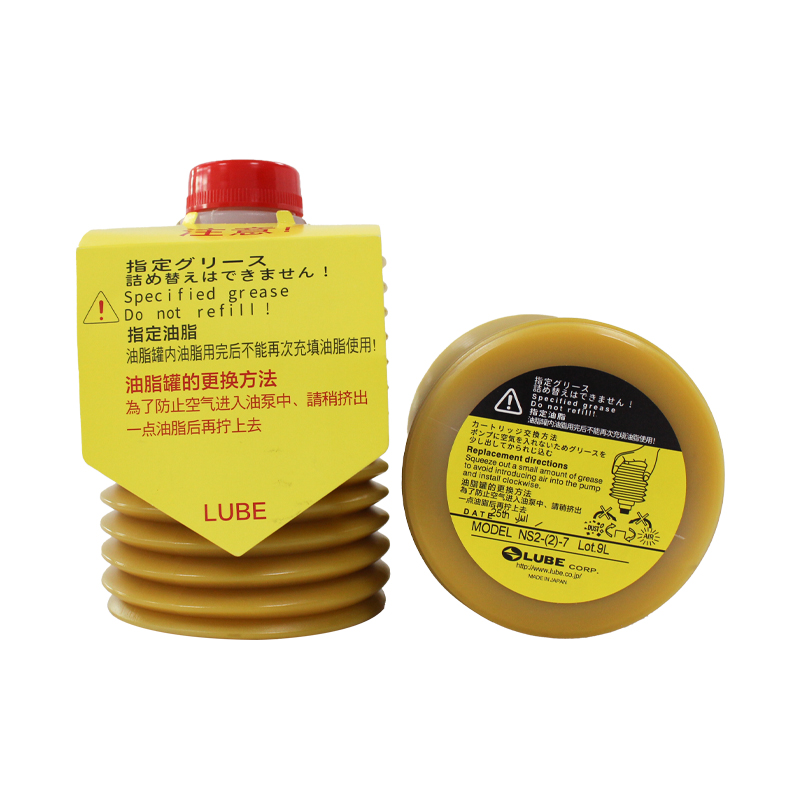
| LUBE | NOX-1300 | High-speed, low-separation grease for compact motors and fan bearings |
| Krytox (DuPont) | GPL 227 | PFPE-based, non-flammable grease for extreme temperatures and inert environments |
| NSK | PS2 | For small motors and servo units; excellent heat resistance and grease retention |
| THK | AFA | Optimized for servo motors and robotics with low heat generation and wide operating range |
? How to Select the Right Motor Grease
-
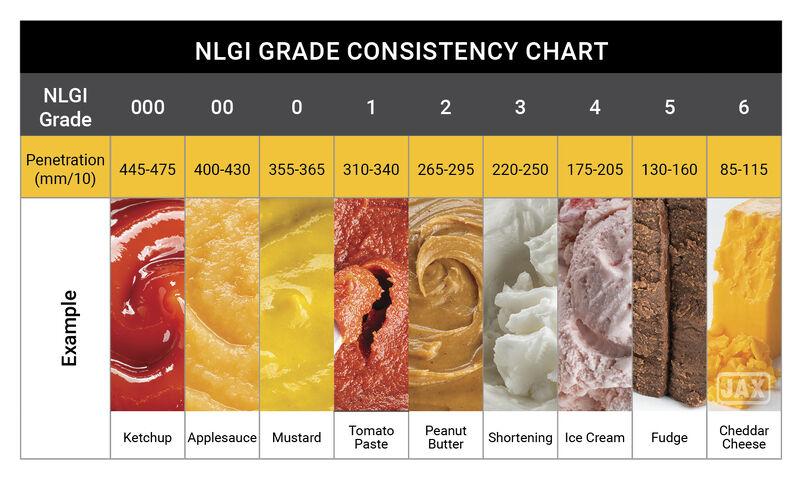
✅ NLGI Grade: Typically #1 to #2 for electric motors
-
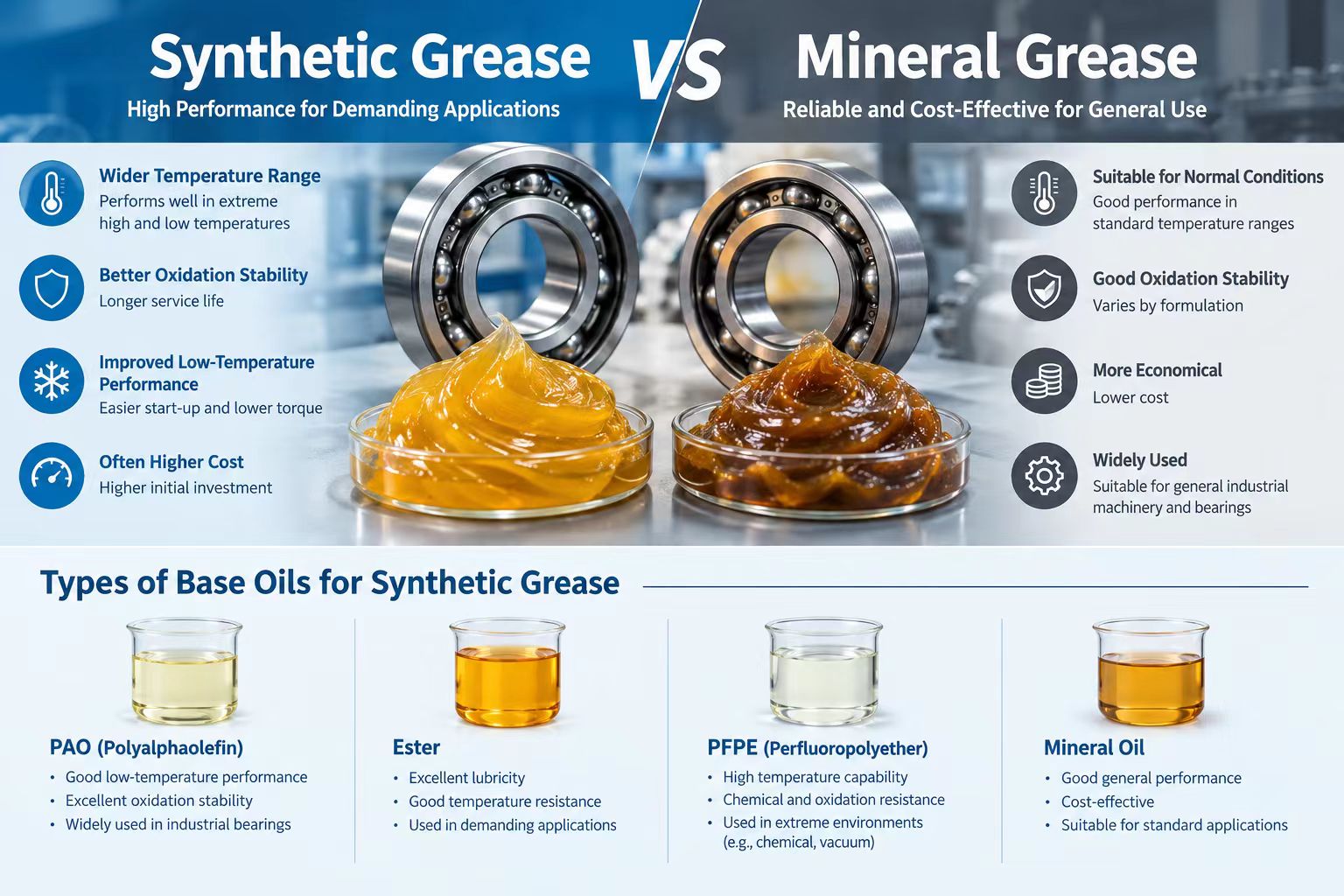
✅ Base Oil Type: PFPE and synthetic esters offer superior thermal stability
-
✅ Drop Point: >200°C is recommended for high-heat environments
-
✅ Viscosity Matching: Consider motor speed and load profile
?️ Best Practices for Motor Greasing
-
Never mix greases with different base oils
-
Schedule relubrication every 6–12 months depending on runtime
-
Clean bearings before long-term shutdowns to prevent grease hardening
-
Monitor motor temperature and vibration to catch signs of grease failure early
How to Prevent Equipment Failures Caused by Grease? Expert Tips
Common SMT Feeder Jamming Issues: Poor Lubrication Is Often to Blame!
Related Article