Injection Molding Machines Sticking or Making Noise? Try These High-Performance Lubrication Solutions
Injection molding machines are the backbone of plastic manufacturing. Designed for high-pressure, high-speed, and continuous operation, they rely heavily on precision lubrication to perform smoothly.
Yet in real-world production, many factories report frequent issues such as:
-
Sticking or jerky motion during mold open/close
-
Unexpected squeaking or vibration
-
Ejector pins moving sluggishly
-
Overheating bearings in electric motors
-
Increased downtime and frequent maintenance
The root cause of many of these failures? Improper lubrication or using the wrong grease.
? Common Lubrication Problems in Injection Molding Equipment
| Symptom | Possible Cause |
|---|---|
| Dry sliders or guide pins | Grease evaporated or degraded due to high temperature |
| Sticking mold movement | Grease too thick or lacking flowability |
| Excessive noise | Oxidized or contaminated grease |
| Ejector pins moving slowly | Low anti-wear or EP performance |
| Motor bearings overheating | Grease not suitable for high temperature or speed |
✅ Key Lubrication Points & Recommended Greases
| Lubricated Part | Recommended Grease | Key Features |
|---|---|---|
| Sliders / Guide Pins | Kluber Staburags NBU 8 EP / Molykote BR2 Plus | Extreme pressure, long-life, great adhesion |
| Ejector Mechanism | LUBE MT-3 / NSK LGU | Smooth operation, excellent wear resistance |
| Motor Bearings | Krytox GPL 226 / Klubersynth GH 462 | High-temp stable, low volatility, synthetic-based |
| Mold Sliding Areas | THK AFA / AFJ Series | Clean, noise-free, suitable for precision components |
| Gear Linkages | Daphne Super Grease MP / Kyodo Yushi EP No.2 | Excellent shear stability, anti-rust, low wear |
? What Makes a Great Injection Molding Grease?
-
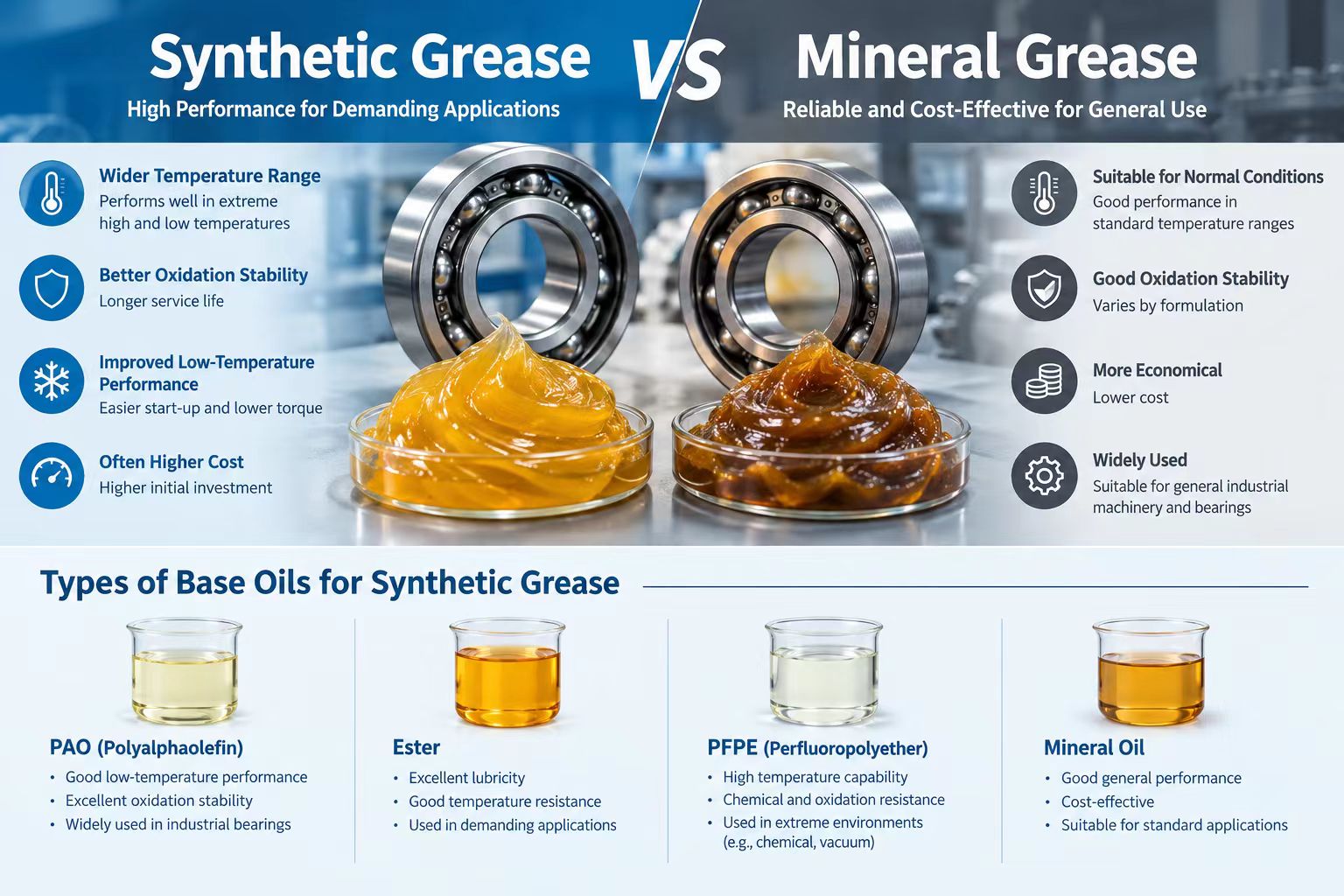
High Temperature Resistance
Machines run hot — standard lithium greases break down or evaporate quickly. Use PFPE or synthetic greases for longer durability. -
Strong Extreme Pressure (EP) Protection
Ejectors and sliders are under high mechanical stress. Grease must contain EP additives to prevent metal-to-metal wear. -
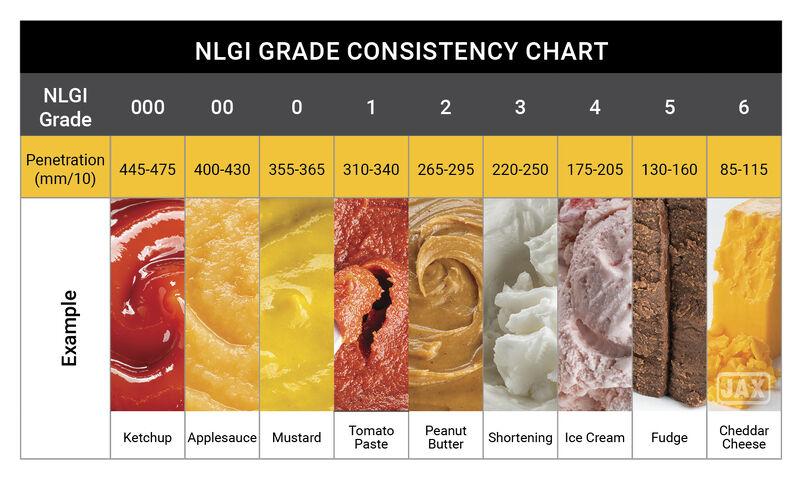
Balanced Consistency
Avoid overly thick grease that resists movement. Medium NLGI grades (No. 1 or 2) offer smooth, consistent lubrication. -
No Carbonization or Varnish Formation
A clean grease will not leave behind residue that clogs parts or disrupts precision movement.
⚙️ Benefits of Switching to High-Performance Grease
✅ Smoother mold open/close cycles
✅ Reduced vibration and operating noise
✅ Lower maintenance frequency and labor costs
✅ Extended machine component life
✅ Improved production consistency and quality
? Who Should Consider a Grease Upgrade?
-
Plastic injection factories experiencing frequent breakdowns
-
Facilities running machines for long hours with minimal shutdowns
-
Companies aiming to reduce preventive maintenance intervals
-
Any plant looking to improve OEE (Overall Equipment Efficiency)
? Final Tip: Lubrication Is a Small Part with a Big Impact
Grease may seem like a minor detail in your machine’s operation, but it plays a major role in efficiency, longevity, and product quality.
If your machines are sticking, squeaking, overheating, or wearing out too soon, it’s time to re-evaluate your lubrication choices.
Grease Basics Explained: NLGI Grades, Base Oils & Thickeners
SMT Lubrication Problems: Are You Using the Right Grease?
Related Article