Grease Storage & Handling Mistakes 90% of Users Make (and How to Avoid Them)
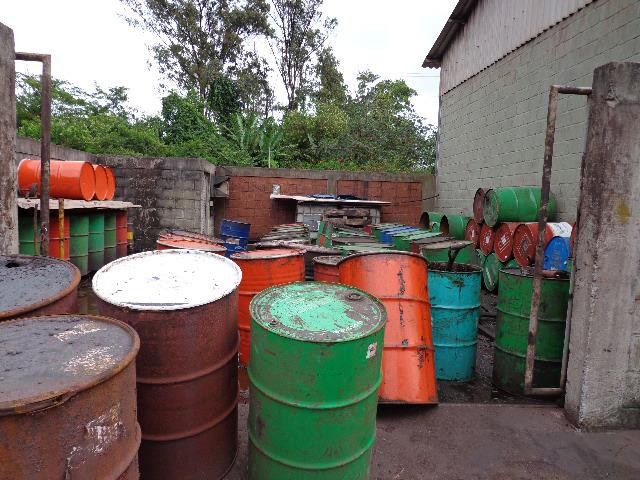
Proper storage and usage of grease is essential for performance and reliability. But you may not know—90% of users make basic mistakes in grease management that lead to quality loss, contamination, and premature equipment failure.
Here’s a refined guide to the top five mistakes, their consequences, and how to fix them.
1. ❌ Mistake: Storing Grease in Hot, Humid, or DC Temperature Extremes
-
Many users store grease near hot pipes, in rain-prone warehouses, or in containers exposed to sunlight.
-
Oil oxidation doubles for every 10 °C above 30 °C, accelerating degradation. Freezing leads to phase separation and wax precipitation ([turn0search22][turn0search3][turn0search7]).
-
Shelf Life Recommendation:
-
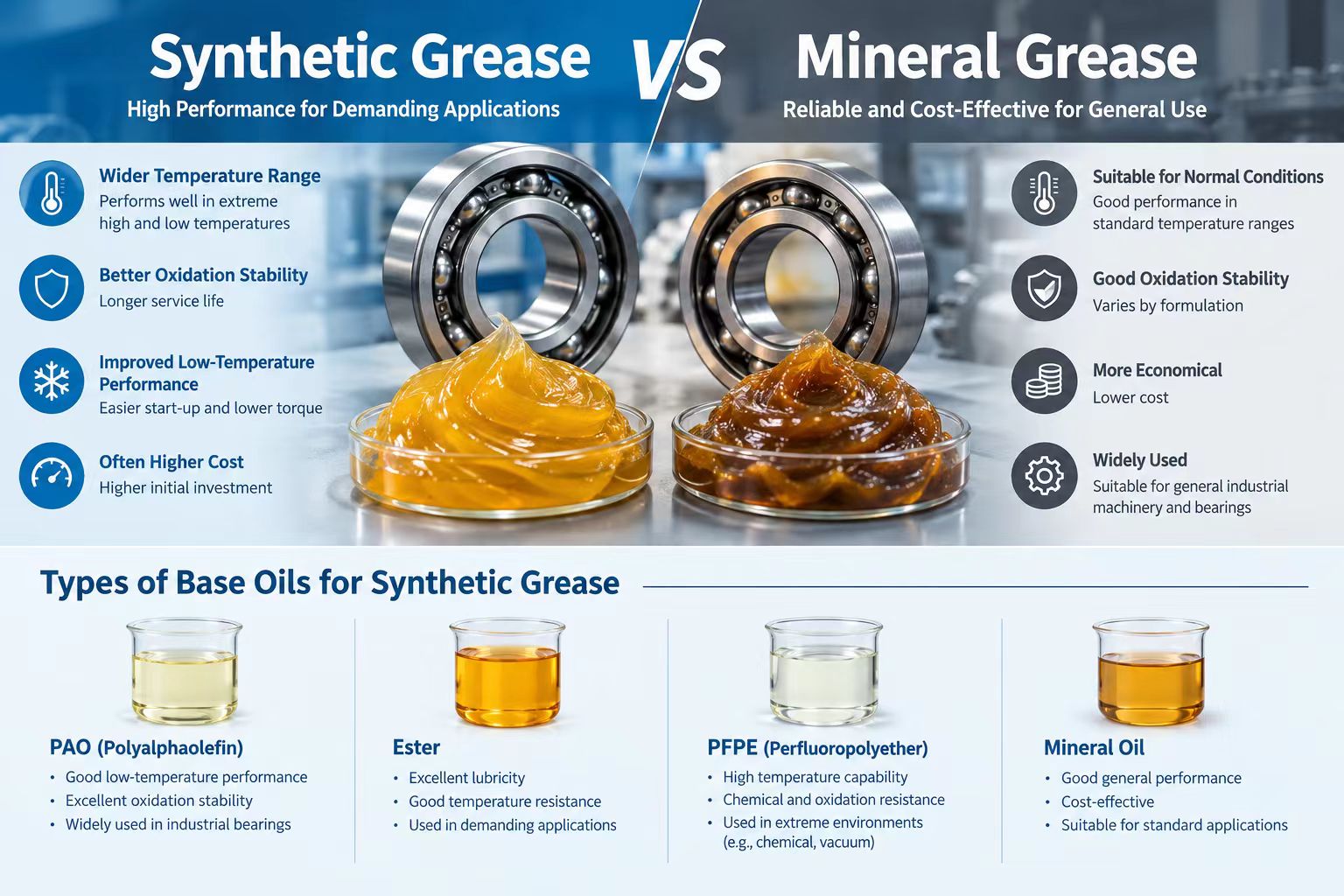
Mineral grease: 2–3 years
-
Synthetic grease: up to 5 years in sealed containers ([turn0search1][turn0search8][turn0search0][turn0search29])
-
-
✅ Best Practice: Store at 0–25 °C (32–77 °F) in a clean, dry, humidity‑controlled room, away from UV and heat sources.
2. ❌ Mistake: Opening Barrels with Dirty Tools or Leaving the Lid Open
-
Every time you dip contaminated tools into the drum (like reusing a dirty grease gun), you introduce particles or moisture.
-
Exposure to oxygen accelerates oxidation and grease breakdown ([turn0search11][turn0search21][turn0search0]).
-
✅ Fix:
-
Use dedicated tools, cleaned before use.
-
Don’t leave containers open. Always wipe and reseal the lid immediately.
-
3. ❌ Mistake: Mixing Old and New Grease (or Different Types Without Checking Compatibility)
-
Mixing incompatible greases (e.g. polyurea + lithium complex) often causes thinning, oil separation, clumping, or even grease hardening into a crust ([turn0search6][turn0search30][turn0search5][turn0search26]).
-
Even greases from the same thickener family can differ in additives and behave poorly when mixed ([turn0search9][turn0search26][turn0search2]).
-
✅ Best Practice:
-
Never mix greases without compatibility data from the manufacturer.
-
Always purge fully before switching.
-
4. ❌ Mistake: Ignoring Shelf Life, Using Expired Lubricants
-
Many users apply grease from old, unlabeled drums that exceed the recommended shelf life.
-
Aged grease may still “look okay” but often loses oxidation stability and additive effectiveness ([turn0search15][turn0search14][turn0search1][turn0search8][turn0search7]).
-
✅ Fix:
-
Use FIFO inventory management—date, batch code, and rotate stock.
-
Freeze or discard grease older than 3 years if not tested.
-
5. ❌ Mistake: Using Grease That Smells, Looks Strange, or Feels Off
| Symptom | What It Means | Response |
|---|---|---|
| Discoloration or blackening | Oxidation or contamination | Conduct testing; clean and replace |
| Separation or water droplets | Moisture infiltration or additive breakdown | Clean parts and relubricate |
| Grainy or stiff texture | Thickener broken down—no longer flowing | Discard |
| Strange or burnt odor | Thermal degradation or rancidity | Change grease |
Even if performance hasn’t visibly declined, deteriorated grease will quickly lose effectiveness.
✅ Storage & Handling Smart Practices Guide
| What to Do | Why It Matters |
|---|---|
| Label tubes and barrels (batch + date) | Ensures inventory control |
| Use clean tools per product | Avoids cross-contamination |
| Maintain temperature and humidity logs | Prevents oxidation and moisture ingress |
| Rotate stock and purge old batches | Keeps grease fresh and functional |
| Keep grease drums off concrete floors | Prevents condensation contamination |
? Why It All Matters
Neglecting grease care can lead to:
-
Accelerated wear due to poor lubrication
-
Equipment downtime from seal damage or overheating
-
Labor waste from frequent purging or replacement
-
Unpredictable performance, especially on sensitive machinery
A properly managed grease program ensures equipment reliability and efficiency—it’s not just best practice, it’s essential.
Long-Term Stable Performance of Panasonic MP Grease in SMT Placement Machines
? High Temperature vs High Speed: How to Choose the Right Grease?
Related Article