Grease Basics Explained: NLGI Grades, Base Oils & Thickeners
Grease plays a vital role in protecting mechanical components from friction, wear, and overheating. However, many users are confused by terms like "NLGI grade", "base oil type", or "thickener" when selecting the right product.
This guide provides a clear and simple explanation of the three key components of grease—so you can make better lubrication decisions for your equipment.
? What Is Grease Made Of?
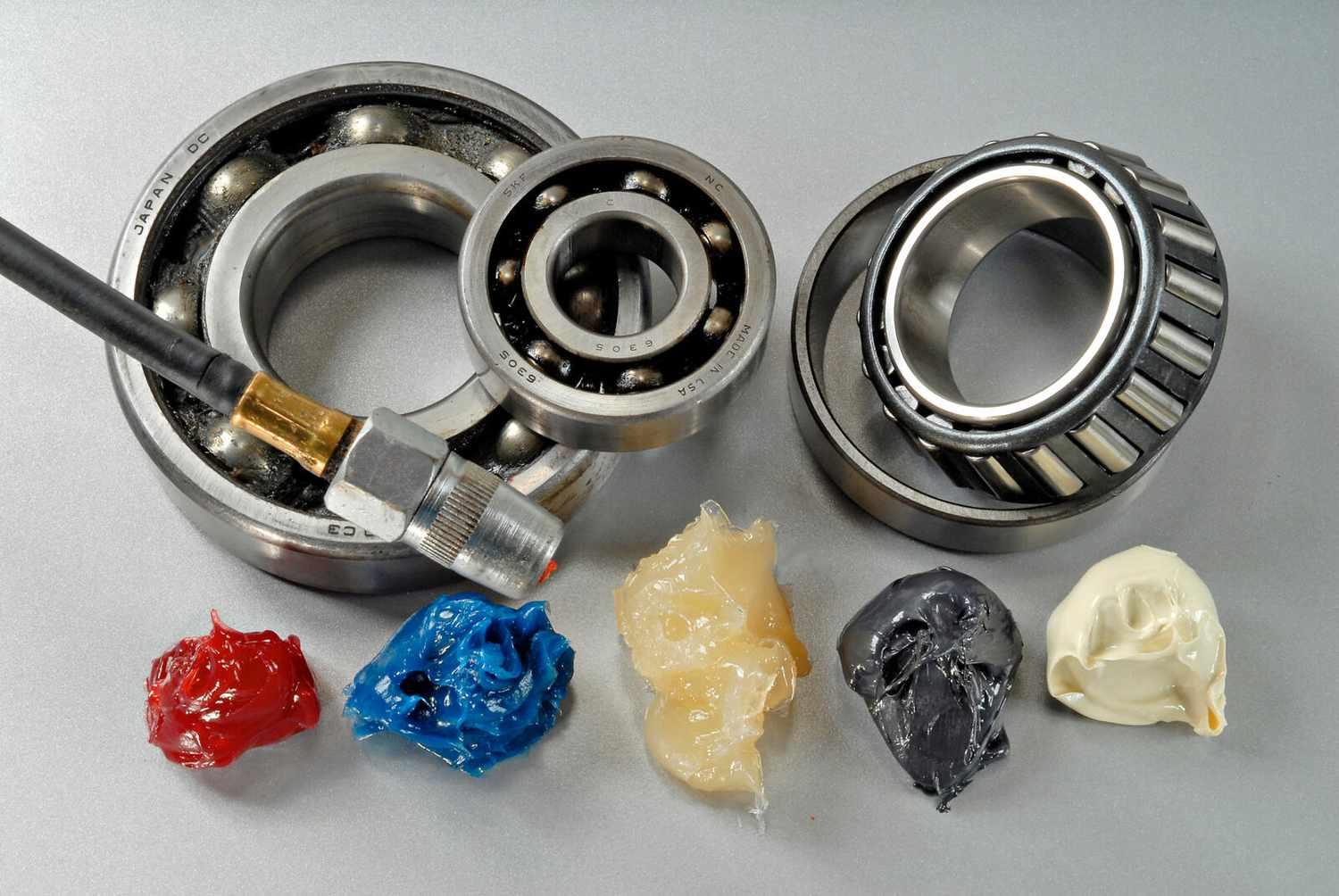
Lubricating grease is a semi-solid lubricant made of three main components:
-
Base Oil – The main lubricating element (70–95% of the formula)
-
Thickener – Gives grease its structure, holding the oil in place
-
Additives – Enhance performance (anti-wear, anti-oxidation, etc.)
Think of it as: Oil + Soap = Grease
? 1. What Is the NLGI Grade?
The NLGI grade (from the National Lubricating Grease Institute) defines the consistency or hardness of the grease.
| NLGI Grade | Appearance | Common Uses |
|---|---|---|
| 000 – 00 | Fluid-like | Gearboxes, central lubrication |
| 0 | Semi-fluid | Enclosed bearings, automotive parts |
| 1 | Soft | Low-temp, fast-start applications |
| 2 (standard) | Normal butter-like | General bearings, motors, machinery |
| 3 – 4 | Firm | Vertical seals, hot surfaces |
| 5 – 6 | Very firm | Specialty seals, damping layers |
✅ NLGI 2 is the most commonly used grade in industrial applications.
? 2. Base Oil Type: The Heart of Grease Performance
Base oil determines the temperature range, oxidation stability, and life span of the grease.
| Base Oil Type | Advantages | Best For |
|---|---|---|
| Mineral Oil | Affordable, good for general use | Standard machinery, low stress |
| Synthetic Oil (PAO/Esters) | Excellent high-temp stability | Motors, high-speed bearings |
| Silicone Oil | Wide temp range (-60°C to 200°C), inert | Plastic parts, noise-sensitive areas |
| PFPE (Fluorinated) | Chemically inert, heat/vacuum resistant | Semiconductor, vacuum, cleanroom |
? Choose base oil based on temperature, speed, and cleanliness requirements.
? 3. Thickener Types: The Framework of the Grease
Thickeners form the “sponge-like” structure that holds oil. They also impact properties like water resistance, heat tolerance, and compatibility.
| Thickener Type | Features | Examples |
|---|---|---|
| Lithium Soap | Versatile, economical | MOLYKOTE BR2 Plus |
| Lithium Complex | Better high-temp and water resistance | Kluber NBU 15 |
| Aluminum Complex | Excellent sealing & water resistance | Food-grade greases |
| Urea (Polyurea) | Quiet operation, high-temp stable | NSK PS2, LGU |
| PTFE (Fluoropolymer) | Non-flammable, chemically inert | Krytox GPL series |
| Silica Gel / Clay | Wide temp range, non-melting | High-temp applications |
? Different thickeners are not always compatible. Mixing incompatible greases may lead to breakdown.
? How to Read a Grease Specification Sheet
When evaluating a grease, look for:
-
NLGI Grade – Consistency
-
Base Oil Type – Performance profile
-
Thickener – Structure & compatibility
-
Operating Temp Range – Usually in °C
-
Drop Point – Temperature at which grease softens/melts
-
Evaporation Loss – Stability in heat or vacuum
Example:
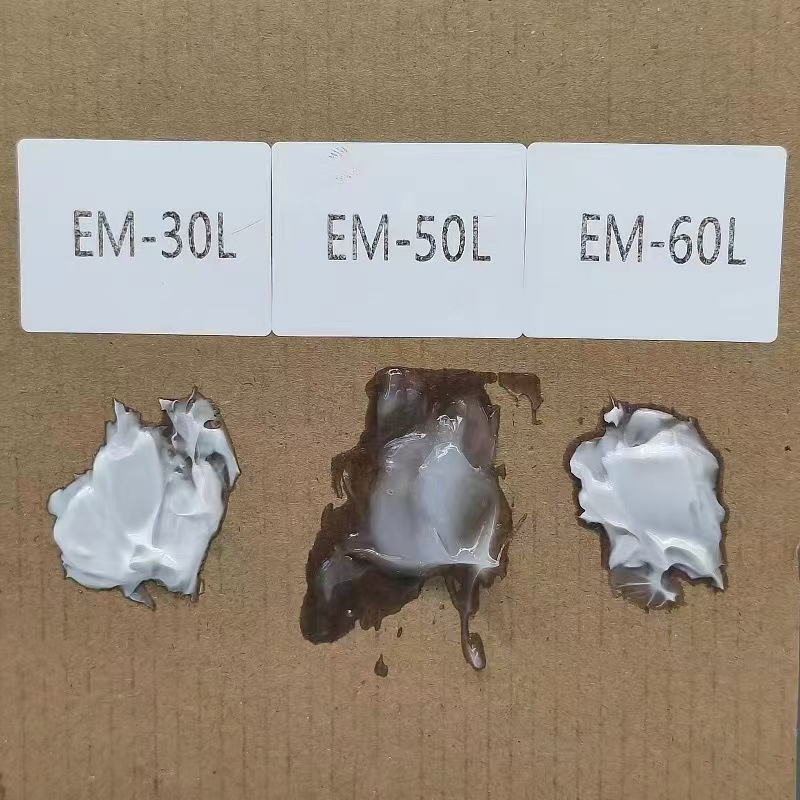
MOLYKOTE EM-30L: NLGI 1, synthetic oil, soft consistency → for quiet-running plastic gears
Krytox GPL 226: NLGI 2, PFPE + PTFE → for ultra-high temp, cleanroom, or vacuum use
? Summary: Understanding Grease = Better Equipment Protection
Knowing the difference between NLGI grade, base oil, and thickener helps you:
-
Avoid using grease that’s too thick or too thin
-
Select lubricants suitable for high temperature, speed, or precision
-
Reduce equipment wear, noise, and downtime
-
Improve your lubrication strategy across different applications
? Not sure what grease suits your equipment? Contact our technical team for OEM-grade equivalents, customized grease solutions, or multi-brand product selection.
How to Choose Food Grade Grease? Kluber vs LUBE vs NSK Comparison
Injection Molding Machines Sticking or Making Noise? Try These High-Performance Lubrication Solutions
Related Article