Has Your Grease Turned Black? FAQs on Grease in Service
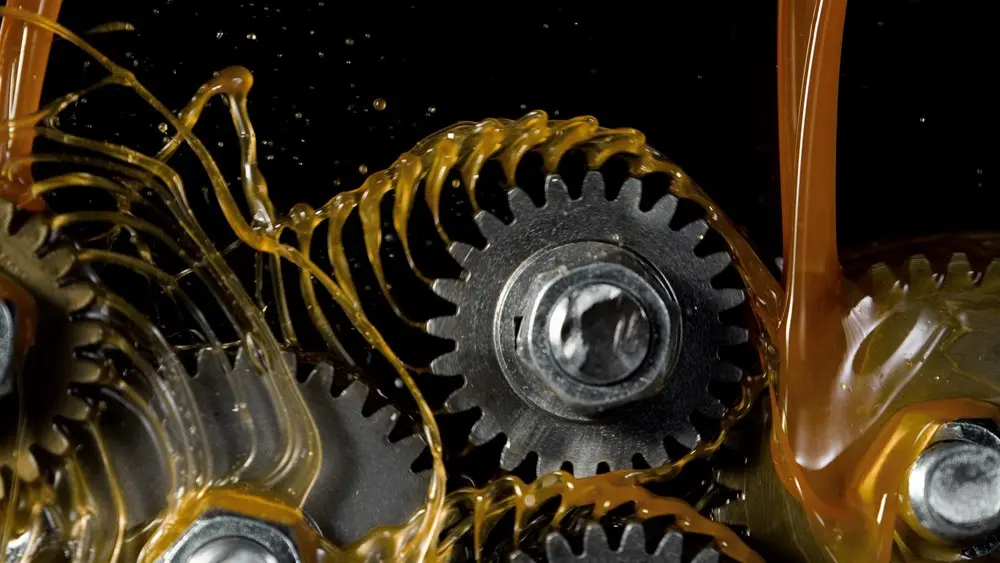
Grease often changes appearance or consistency during use. One common sign is blackening, which raises the question: Is it still usable? This guide answers the five most frequent questions about grease behavior and performance.
? 1. Is Black Grease Always Bad?
Not necessarily. A grease turning darker or black often signifies contamination, oxidation, or heat exposure—but not automatically failure
-
Oxidation/overheating: High temperatures cause grease to darken
-
Contamination: Fine metal particles from wear or dust can darken grease
Action: Check performance—listen for noise, measure temperature, feel for texture. If operating is still smooth, it may be usable, but close monitoring or lab testing is advised.
2. How Can You Tell It's Time to Replace the Grease?
Look for these red flags:
-
Dark or black color combined with burnt odor
-
Milky appearance suggests water contamination
-
Discoloration plus abnormal noise or vibration often indicates grease failure
-
Separated oil or hardened grease – no longer lubricating effectively
3. Can You Continue Using Discolored Grease?
It depends:
-
Darkened but still functional (e.g., in non-critical, low-speed applications), it may still work
-
Signs of oxidation, contamination or heat damage? Definitely replace—continuing use risks wear, noise, and failure.
4. What Causes Grease to Turn Black?
-
Heat/oxidation – leads to chemical breakdown and darkening
-
Wear particles – metal debris or dust darken grease
-
Contamination – water, other greases, or solvents also affect color
5. What Should Be Your Response Strategy?
-
Inspect visually and by touch
-
Monitor temperature, noise, and vibration
-
Perform oil-bleed or lab analysis
-
Clean and re-lubricate if any failure signs
-
Use correct grease type for your application, considering temperature and contamination control
✅ Bottom Line
Black grease isn’t always bad—but if darkening comes with heat spots, noise, or contamination, it's a warning signal. Respond with inspection, testing, and likely replacement to protect your equipment.
For help analyzing grease, choosing the right product, or setting up maintenance programs, reach out to our lubrication specialists.
? High Temperature vs High Speed: How to Choose the Right Grease?
How to Tell If Grease Has Failed: 5 Key Failure Symptoms
Related Article