Automatic Lubrication Systems: Key Considerations for Different Equipment Operating Conditions
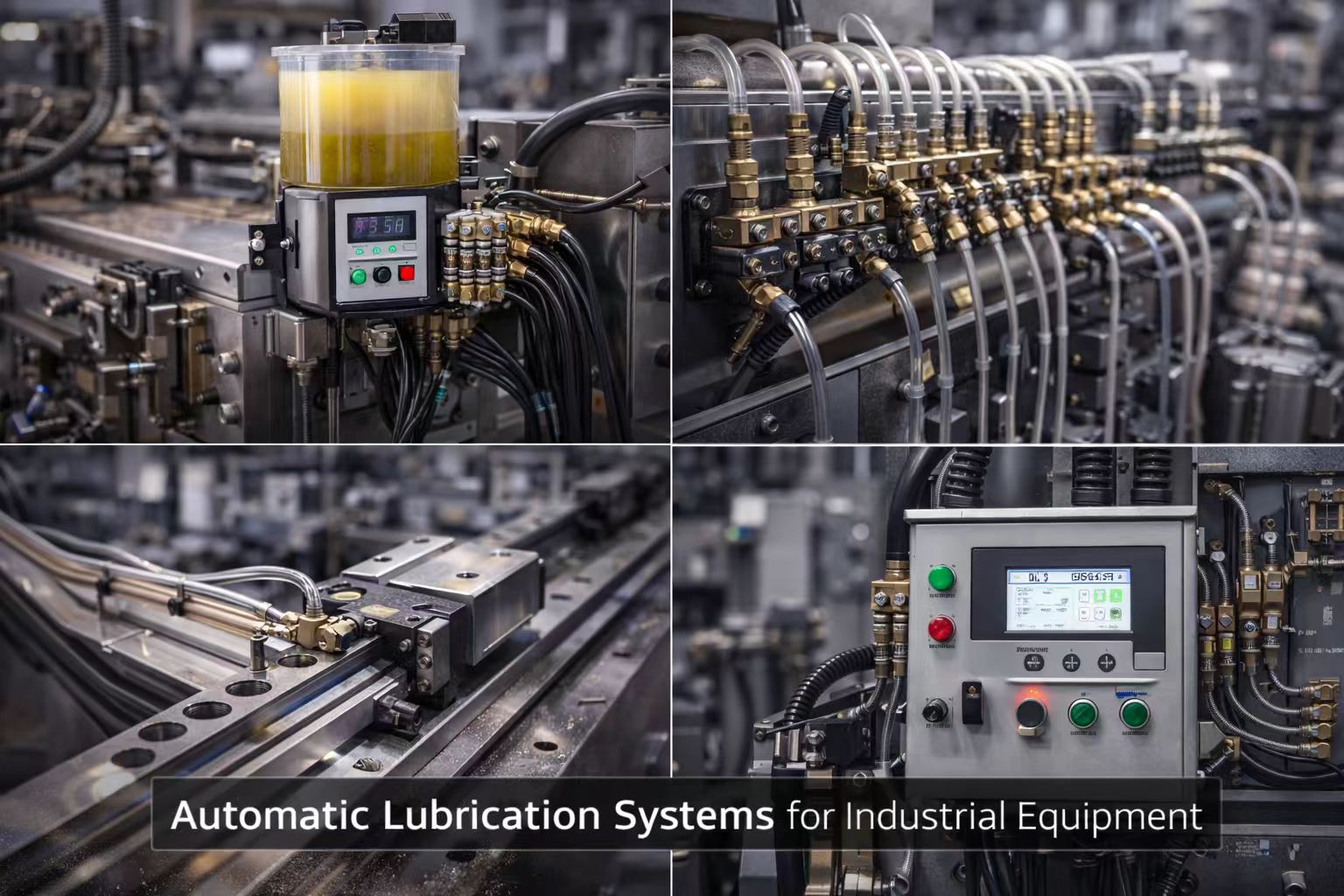
In modern industrial environments, automatic lubrication systems are widely used to maintain consistent lubrication, reduce maintenance workload, and extend equipment service life. However, different equipment operating conditions require different lubrication strategies. Selecting and configuring an appropriate automatic lubrication system is essential for achieving reliable performance and preventing premature component wear.
This article explains the key factors engineers and maintenance teams should consider when adapting automatic lubrication systems to various industrial equipment conditions.
1. Understanding Equipment Operating Conditions
Before selecting an automatic lubrication system, it is important to analyze the actual operating environment of the equipment.
Common operating factors include:
-
Operating speed
-
Load conditions
-
Temperature range
-
Contamination exposure
-
Lubrication interval requirements
Different operating conditions may require different lubrication delivery methods, lubricant types, and distribution systems.
For example, high-speed equipment typically requires frequent small lubrication doses, while heavy-load equipment may require grease with higher film strength and larger lubrication volumes.
2. Compatibility with Lubrication Points
Automatic lubrication systems must be compatible with the design and number of lubrication points on the machine.
Typical lubrication points include:
-
Linear guides
-
Ball screws
-
Bearings
-
Chains
-
Gear systems
Equipment with multiple lubrication points often requires centralized lubrication systems with precise metering units to ensure each component receives the correct amount of lubricant.
Improper distribution can result in under-lubrication or lubricant waste.
3. Lubricant Selection for Automatic Systems
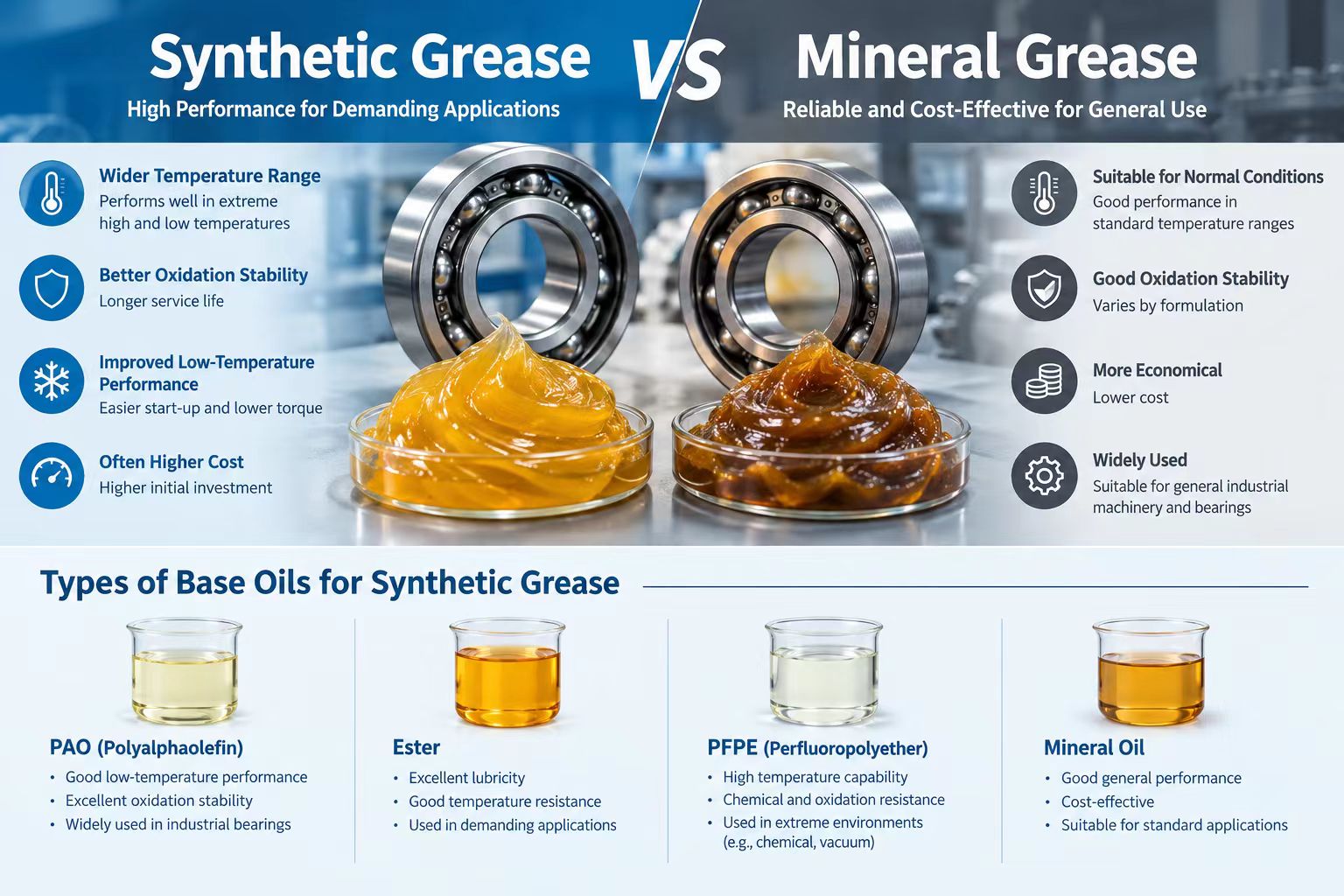
Not all lubricants are suitable for automatic lubrication systems. The lubricant must be compatible with pumps, pipelines, and metering devices.
Key lubricant characteristics include:
-
Appropriate viscosity
-
Stable grease consistency
-
Good pumpability
-
Resistance to oil separation
-
Thermal stability
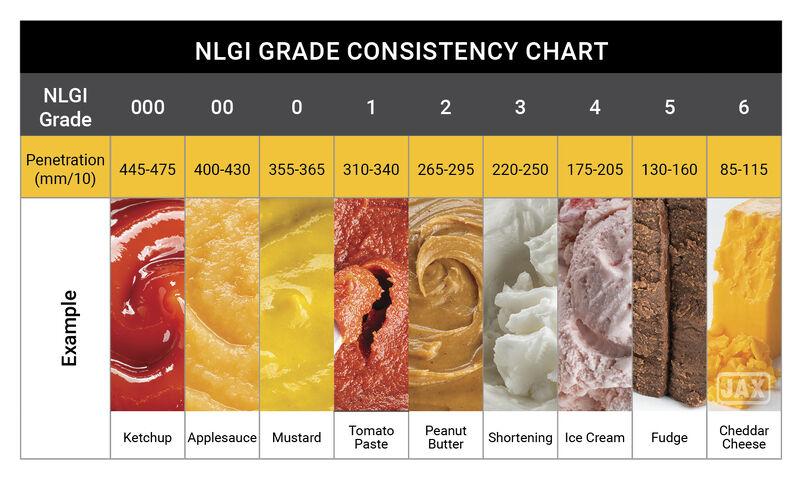
For example, lower NLGI grade greases are commonly used in centralized lubrication systems because they flow more easily through lubrication lines.
4. Environmental and Temperature Considerations
Industrial equipment often operates in challenging environments such as high temperatures, dusty areas, or humid conditions.
Automatic lubrication systems should be designed to handle these environmental challenges by using:
-
Temperature-resistant lubricants
-
Sealed lubrication lines
-
Corrosion-resistant components
Proper system design prevents lubricant contamination and ensures consistent lubrication performance.
5. Lubrication Frequency and Control Systems
Modern automatic lubrication systems often include electronic control units that allow precise control of lubrication cycles.
Important parameters include:
-
Lubrication interval
-
Lubricant dosage
-
Operating cycle synchronization
-
Equipment monitoring
By adjusting lubrication frequency according to equipment operating conditions, maintenance teams can optimize lubricant consumption while maintaining reliable protection.
Conclusion
Automatic lubrication systems provide significant advantages in industrial machinery maintenance, but their effectiveness depends on proper configuration and lubricant selection.
By carefully evaluating operating conditions, lubrication points, lubricant properties, and environmental factors, engineers can ensure that automatic lubrication systems deliver consistent lubrication performance and extend equipment service life.
Properly designed lubrication systems reduce downtime, improve reliability, and support long-term equipment efficiency in modern manufacturing environments.
The Importance of Clean Lubrication in Electronic Manufacturing
Precision Linear Guide Lubrication: Key Parameters and Selection Method
Related Article