Semiconductor Equipment Lubrication Trends in 2025: High Precision and Low Volatility Become New Procurement Standards
As the semiconductor industry advances towards higher integration and miniaturization, the demand for ultra-clean, high-precision, and low-volatility lubricants has surged. In 2025, these attributes have become essential procurement standards for semiconductor manufacturing equipment.
? High-Performance Lubricants: Meeting the Demands of Advanced Equipment
Modern semiconductor fabrication involves equipment such as extreme ultraviolet (EUV) lithography systems, chemical vapor deposition (CVD) chambers, and wafer handling robots. These systems operate under stringent conditions, including ultra-high vacuum and elevated temperatures, necessitating lubricants that can withstand such environments without compromising performance.
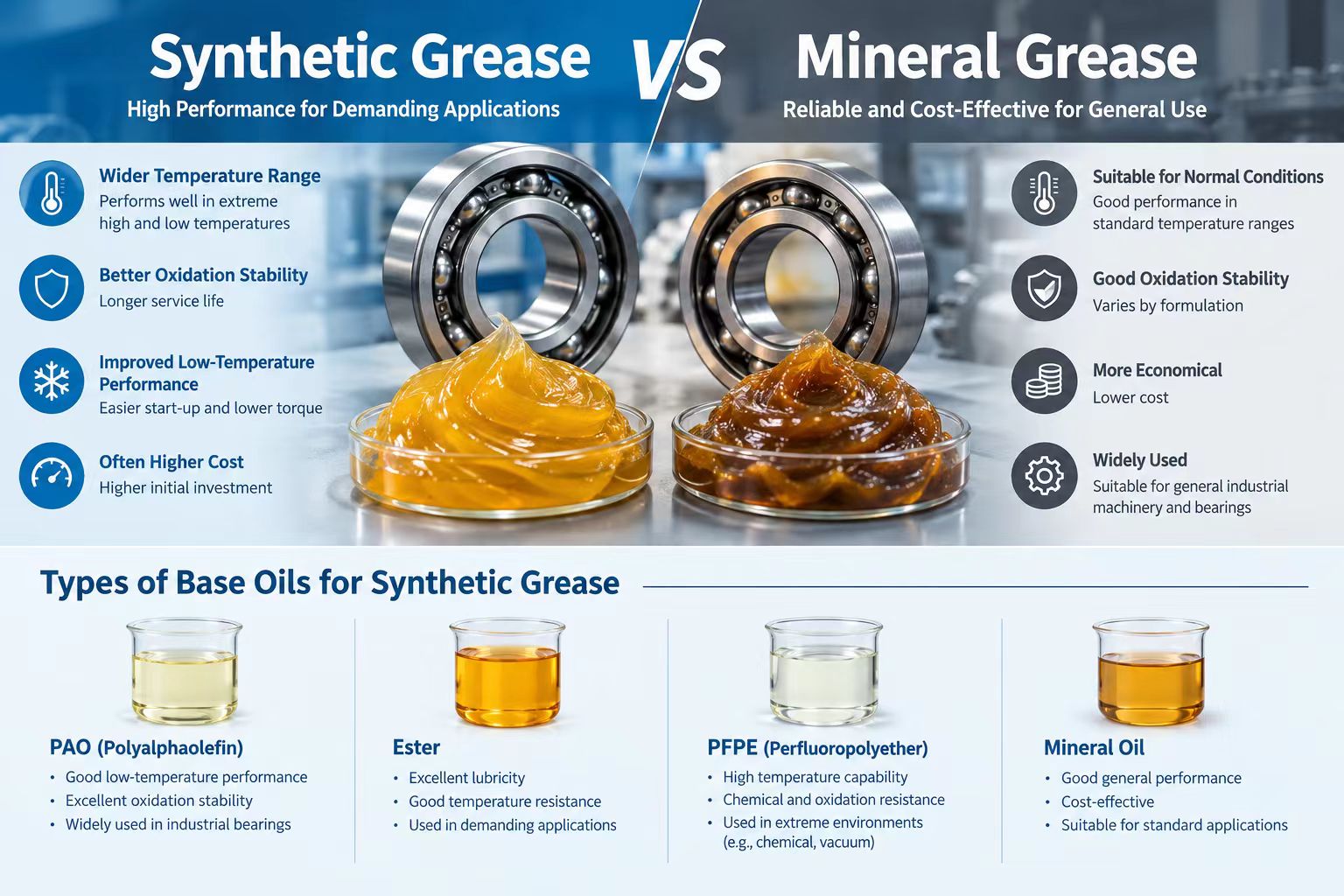
Perfluoropolyether (PFPE) lubricants, known for their chemical inertness and thermal stability, have become the preferred choice in cleanroom settings. For instance, DuPont introduced advanced fluoropolymer-based lubricants in 2023, specifically designed for semiconductor manufacturing, capable of maintaining performance under extreme conditions while preventing contamination.
? Emphasis on Eco-Friendly and Sustainable Formulations
Environmental regulations have intensified, pushing manufacturers towards eco-friendly lubricant formulations. The U.S. Environmental Protection Agency (EPA) mandates that lubricants used in semiconductor fabrication equipment must have volatile organic compound (VOC) levels below 50 ppm.
In response, companies are developing biodegradable and non-toxic lubricants derived from renewable sources, such as vegetable oils. These formulations not only comply with environmental standards but also align with the industry's sustainability goals.
? Market Growth and Regional Adoption
The global semiconductor lubricants market was valued at USD 1.57 billion in 2023 and is projected to reach USD 2.37 billion by 2030, growing at a CAGR of 5.3%.
Regional adoption varies, with North America and Europe enforcing stringent chemical safety and emissions regulations, leading to higher demand for fully synthetic, PFAS-free lubricants. In contrast, Asia-Pacific markets focus on production scalability, with countries like Japan and South Korea gradually implementing stricter standards.
? Integration of Smart Lubrication Systems
The advent of Industry 4.0 has led to the integration of smart lubrication systems equipped with sensors and digital controls. These systems monitor parameters such as temperature, viscosity, and contamination levels in real-time, enabling predictive maintenance and reducing unplanned downtime.
By providing data-driven insights, these innovations contribute to optimized lubrication practices, minimized maintenance costs, and enhanced overall operational efficiency.
Could the Wrong Grease Destroy Your Doosan Machine Tool? 5 Common Mistakes Unveiled
In the wave of electrification, how does the grease industry respond to the challenges of new materials?
Related Article