Changes in the Semiconductor Industry's Demand for Lubricating Grease
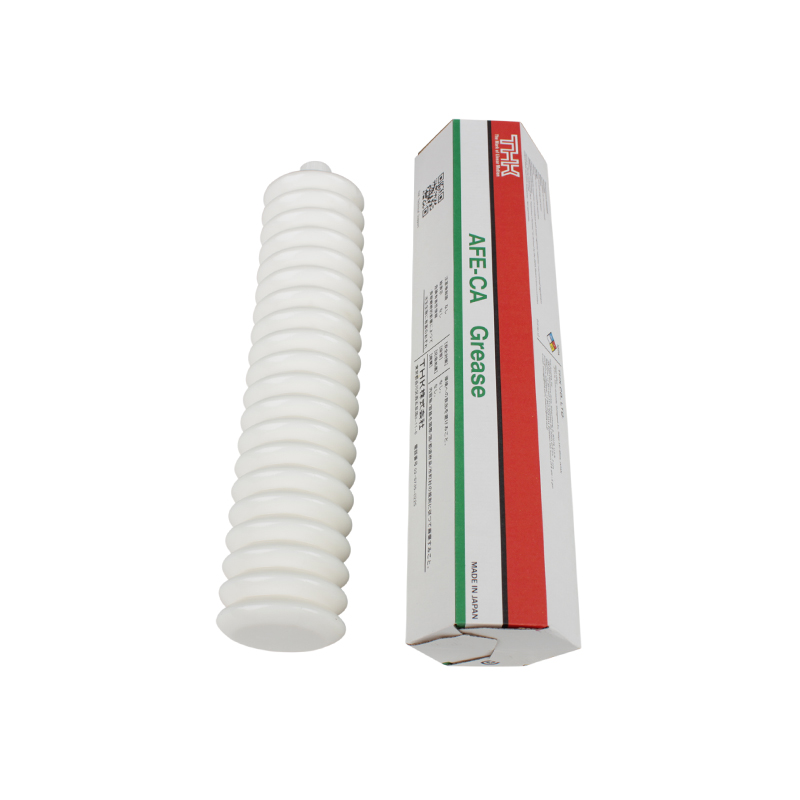
As the semiconductor industry continues to advance, the demand for high-precision, high-purity, and long-lasting lubricating grease has significantly increased. The rise of ultra-clean manufacturing environments, high-speed automation, and extreme operating conditions has led to new lubrication challenges and opportunities. Below are the key changes in the semiconductor industry's grease requirements:
1. Ultra-Clean and Low-Contamination Grease for Precision Equipment
The semiconductor manufacturing process requires an ultra-clean environment, meaning that traditional industrial greases often fail to meet the necessary standards. The demand for low-evaporation, low-outgassing, and particle-free lubricating greases has increased.
- Vacuum-Compatible Greases: Semiconductor fabrication often takes place in vacuum environments, requiring lubricants that do not release gases or volatile substances that could contaminate sensitive components. KRYTOX and DUPONT provide fluorinated greases that meet these strict requirements.
- Low Particle Emission: Any particle contamination can lead to defects in microchips. High-purity lubricants, such as those from KLUBER and NSK, are designed to minimize particulate emissions.
2. High-Temperature and Extreme-Condition Lubricants
Semiconductor manufacturing involves exposure to extreme temperatures and harsh chemical environments, demanding greases that can withstand these conditions.
- Heat-Resistant Lubricants: Equipment used in lithography, etching, and deposition processes operates at high temperatures, requiring lubricants that maintain stability under extreme heat. THK and LUBE offer specialized greases with excellent thermal resistance.
- Chemical and Plasma Resistance: Some semiconductor processes involve exposure to reactive gases and plasmas. Fluorinated lubricants, such as KRYTOX, provide resistance to aggressive chemicals.
3. Long-Life and Low-Maintenance Greases
With the increasing automation of semiconductor manufacturing, there is a growing need for long-lasting lubricants that reduce downtime and maintenance frequency.
- Extended Service Life: Robots and precision machinery used in semiconductor fabs require greases that provide long-term lubrication with minimal reapplication. NSK and LUBE offer products designed for extended performance.
- Wear and Friction Reduction: High-speed moving parts in semiconductor equipment need greases with ultra-low friction to minimize wear and ensure precision.
4. Compatibility with Miniaturized and High-Speed Equipment
As semiconductor components become smaller and more precise, lubricants must be optimized for miniaturized moving parts and high-speed operations.
- Nano Lubrication Technology: Advanced lubricants with nano-scale additives enhance precision and efficiency in micro-mechanical components.
- Low-Torque Lubricants: High-speed semiconductor equipment, such as pick-and-place machines, requires low-torque lubricants to ensure smooth, uninterrupted operation.
5. Environmentally Friendly and Regulatory-Compliant Greases
Environmental regulations are becoming stricter, requiring semiconductor manufacturers to adopt greener lubrication solutions.
- PFAS-Free Lubricants: Regulations are phasing out certain perfluorinated compounds, pushing manufacturers toward alternative eco-friendly lubricants.
- Biodegradable and Low-Emission Greases: Some manufacturers are exploring biodegradable greases to align with global sustainability initiatives.
Conclusion
The semiconductor industry's demand for lubricating grease is evolving in the following directions:
- Ultra-clean, low-contamination lubricants to maintain the integrity of semiconductor manufacturing environments.
- High-temperature and chemical-resistant greases to withstand extreme conditions in semiconductor fabrication.
- Long-life, low-maintenance lubricants to enhance efficiency and reduce downtime in automated production.
- Precision-engineered lubricants for miniaturized and high-speed equipment.
- Environmentally friendly and regulatory-compliant greases to meet global sustainability standards.
As semiconductor manufacturing continues to advance, grease manufacturers must innovate to meet the industry's growing demands for performance, reliability, and environmental compliance.
Some information comes from the internet, if there is infringement, please contact us at 13580828702.
Changes in the Demand for Lubricating Grease in the Machinery Manufacturing Industry
Changes in the Automotive Industry's Demand for Grease
Related Article