Changes in the Automotive Industry's Demand for Grease
With the rapid development of the global automotive industry, especially the rise of electric vehicles (EVs) and smart cars, the demand for lubricating grease has undergone significant changes. Below are the key changes in the automotive industry's demand for lubricating grease:
1. Rise of Electric Vehicles (EVs): Increased Demand and New Challenges
The rise of electric vehicles has brought new demands and challenges to the lubricating grease market. Compared to traditional internal combustion engine vehicles, EVs have different lubrication requirements:
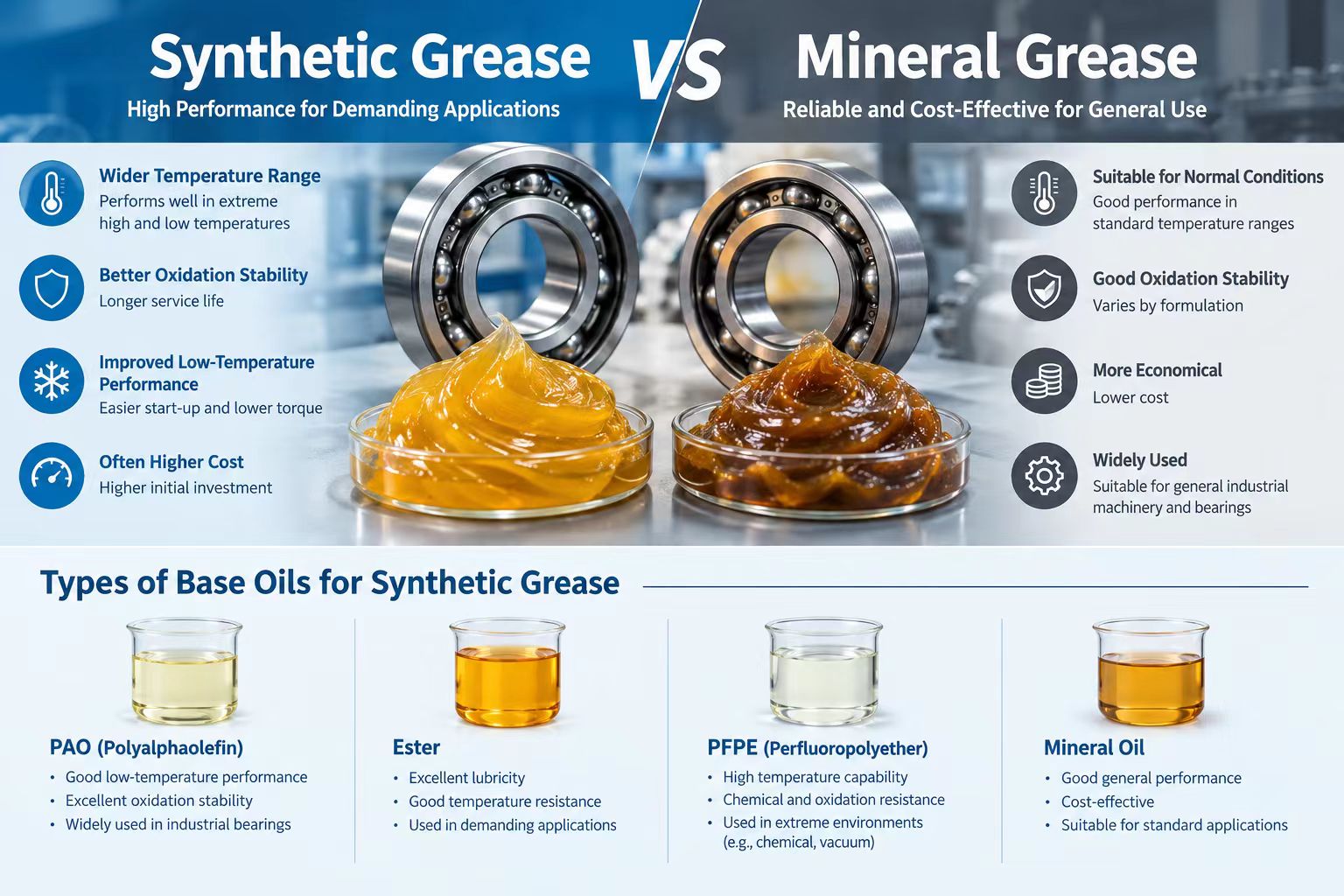
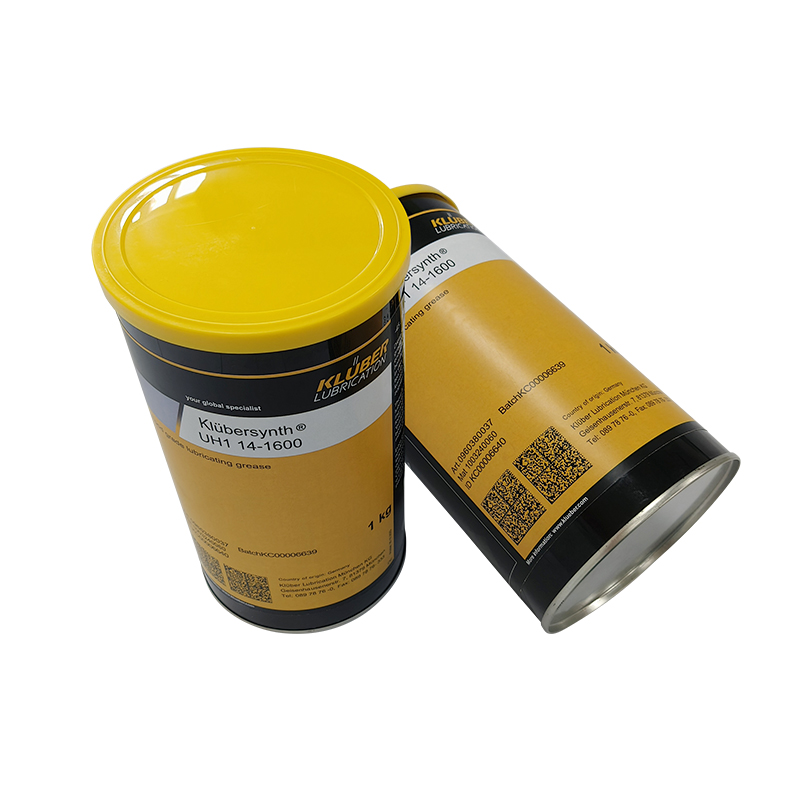
- Low Friction, High-Efficiency Grease: Electric vehicle motors, gearboxes, and bearings require low-friction, low-noise lubricants to improve energy efficiency and extend battery range. For example, low-friction greases offered by brands like KLUBER and DUPONT can reduce energy loss in EV systems.
- High-Temperature and Corrosion Resistance: Electric vehicle motors and electronic systems operate at higher temperatures, requiring lubricants with high-temperature resistance and corrosion protection.
- Electrical Insulation Properties: Lubricating grease for electric vehicle drive systems needs to have excellent electrical insulation properties to prevent electrical leakage and short circuits.
2. Smart Cars and Autonomous Driving: Demand for Precision and Durability
As autonomous driving technology evolves, smart cars demand lubricating greases that are more precise, durable, and intelligent:
- Long-Term Stability: The electronic systems and sensors in smart cars operate in complex environments, requiring lubricants with high stability and long durability to ensure trouble-free operation over time.
- Transmission System Lubrication: The transmission systems of smart cars demand lubricating greases with optimal viscosity, wear resistance, and durability. Brands like THK and NSK offer high-performance greases to reduce wear and extend component life.
3. Environmental Protection and Regulations: Growth of Green Grease Demand
With the tightening of global environmental regulations, the automotive industry is increasingly leaning toward environmentally friendly lubricating greases:
- Low Emission and Biodegradable Grease: To reduce environmental impact, more and more car manufacturers are opting for low-emission, biodegradable greases, especially in European and North American markets. Brands like LUBE and DUPONT have introduced lubricating greases that meet these environmental standards.
- Reduction of Harmful Substances: Harmful chemicals like PFAS (Perfluoroalkyl Substances) are being phased out from grease products, and car manufacturers are increasingly using PFOA-free (Perfluorooctanoic Acid-Free) lubricating greases.
4. High Performance and Energy Efficiency Needs: Advancements in Grease Technology
As automotive technology continues to advance, the demand for high-performance lubricating greases has increased:
- Low Viscosity, High-Wear-Resistance Grease: To enhance fuel efficiency and battery range, more car manufacturers are using low viscosity, high-wear-resistant greases to reduce mechanical friction and increase the efficiency of powertrains.
- Extreme Pressure Grease: High-pressure lubricating grease is being used in critical automotive components like gears and bearings to prevent wear and damage, ensuring stability and safety in the system.
5. Longer Maintenance Cycles and Grease Replacement
The maintenance cycles for modern vehicles, especially electric vehicles, are becoming longer, meaning the lubricating grease needs to last longer:
- Long-Life Grease: To reduce maintenance and replacement frequency, manufacturers are turning to greases with enhanced durability and oxidation resistance. Such greases maintain their excellent lubrication properties over long periods of use.
- Low Maintenance Needs: As automotive components are designed for long-term stable operation, the demand for greases with extended durability is growing, requiring higher performance in terms of resistance to wear and aging.
Conclusion
The automotive industry's demand for lubricating grease is evolving in the following directions:
- The rise of electric vehicles and new energy vehicles is driving demand for low-friction, high-temperature, electrical insulation greases.
- Smart cars demand high-precision, long-lasting lubricants, especially for intelligent powertrains.
- Increasingly stringent environmental regulations are pushing for greener, biodegradable lubricants.
- High-performance, energy-efficient greases are being used to improve automotive powertrain efficiency and fuel economy.
- Longer maintenance intervals and reduced grease replacement needs are pushing innovation in durable greases.
These changes are driving continuous innovation in grease technology, leading to an increased demand for customized, high-performance products. Automakers and grease suppliers must keep up with market demand by improving product performance and environmental standards.
Changes in the Semiconductor Industry's Demand for Lubricating Grease
Global Lubricating Grease Market Trends Analysis
Related Article